
Title
The Dictator Next Door: The Good Neighbor Policy And The Trujillo Regime In The Dominican Republic, 19301945 (American Encounte,Used
Sold by Ergodebooks, an authorized reseller.
Returns accepted within 30 days | support@ergodebooks.com
Shipping Information
- Free Standard Shipping — United States only
- Processing Time: 3–5 business days
- Estimated Delivery: 6–10 business days after dispatch
- Double-boxed, fully insured & discreetly packaged
- Tracking number sent via email once dispatched
Returns & Refund
Returns accepted within 30 days of delivery.
Damaged or Defective Item
Free return shipping + replacement or full refund
Wrong Item Received
Free return shipping + replacement or full refund
Change of Mind
Return shipping at customer's expense · 25% restocking fee applies
Payment Option

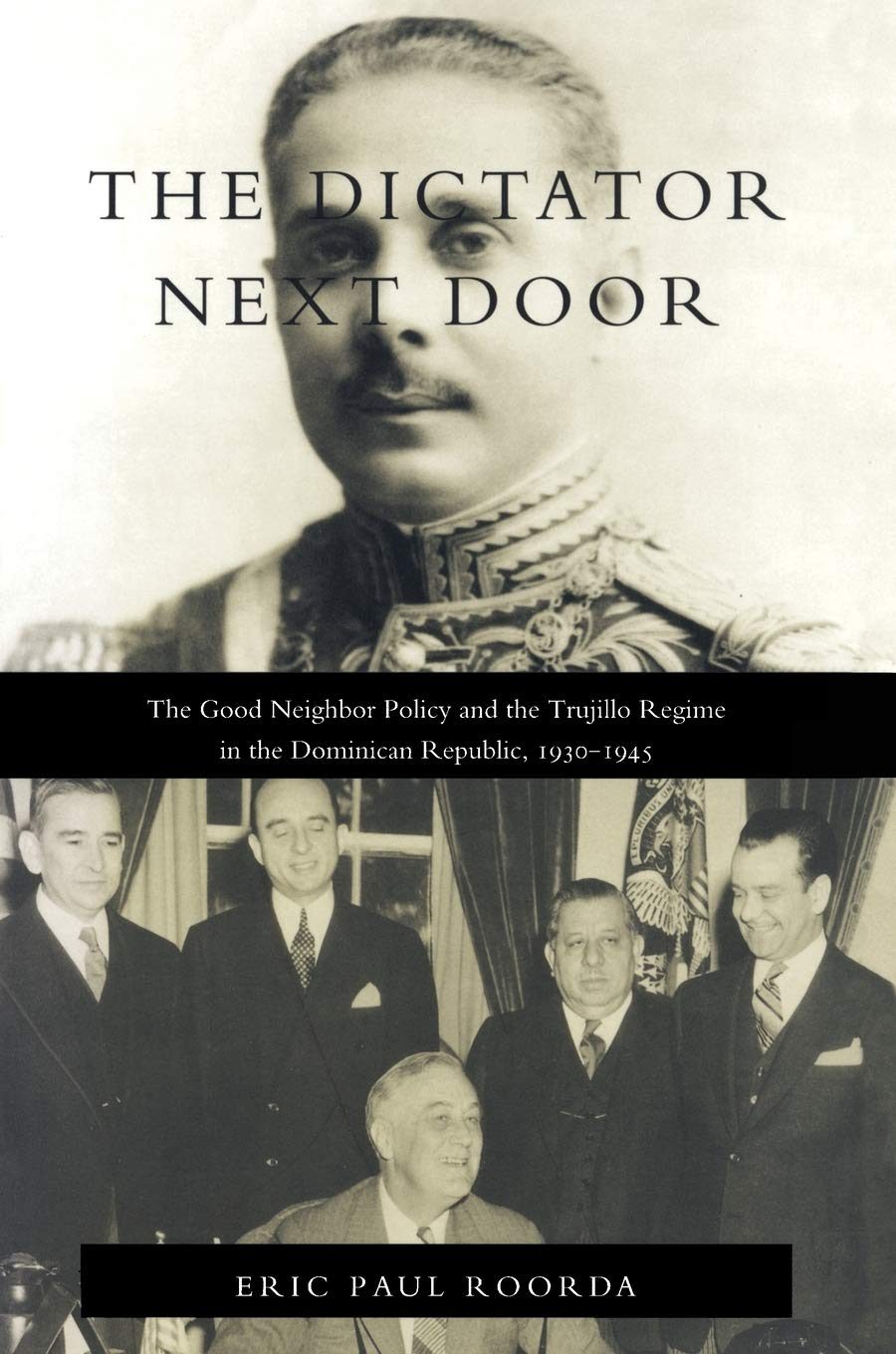
The question of how U.S. foreign policy should manage relations with autocratic governments, particularly in the Caribbean and Latin America, has always been difficult and complex. In The Dictator Next Door Eric Paul Roorda focuses on the relations between the U.S. and the Dominican Republic following Rafael Trujillos seizure of power in 1930. Examining the transition from the noninterventionist policies of the Hoover administration to Roosevelts Good Neighbor policy, Roorda blends diplomatic history with analyses of domestic politics in both countries not only to explore the political limits of American hegemony but to provide an indepth view of a crucial period in U.S. foreign relations.Although Trujillos dictatorship was enabled by prior U.S. occupation of the Dominican Republic, the brutality of his regime and the reliance on violence and vanity to sustain his rule was an untenable offense to many in the U.S. diplomatic community, as well as to certain legislators, journalists, and bankers. Many U.S. military officers and congressmen, howeverimpressed by the civil order and extensive infrastructure the dictator establishedcomprised an increasingly powerful Dominican lobby. What emerges is a picture of Trujillo at the center of a crowded stage of international actors and a U.S. government that, despite events such as Trujillos 1937 massacre of 12,000 Haitians, was determined to foster alliances with any government that would oppose its enemies as the world moved toward war.Using previously untapped records, privately held papers, and unpublished photographs, Roorda demonstrates how caution, confusion, and conflicting goals marked U.S. relations with Trujillo and set the tone for the ambivalent Cold War relations that prevailed until Trujillos assassination in 1961. The Dictator Next Door will interest Latin Americanists, historians, political scientists, and specialists in international relations and diplomacy.
⚠️ WARNING (California Proposition 65):
This product may contain chemicals known to the State of California to cause cancer, birth defects, or other reproductive harm.
For more information, please visit www.P65Warnings.ca.gov.
- Q: How many pages does the book have? A: This book has three hundred sixty-eight pages. It offers a comprehensive look at U.S.-Dominican relations during a crucial historical period.
- Q: What is the binding type of this book? A: The book is paperback bound. This makes it lightweight and easy to handle for reading.
- Q: What are the dimensions of the book? A: The dimensions of the book are six point two six inches in length, one inch in width, and nine point two five inches in height. These measurements make it a standard-sized paperback.
- Q: Who is the author of this book? A: The author is Eric Paul Roorda. He specializes in the history of U.S. foreign relations and Latin American studies.
- Q: What category does this book belong to? A: The book belongs to the category of Dominican Republic. It specifically focuses on historical and diplomatic themes.
- Q: Is this book suitable for a general audience? A: Yes, this book is suitable for a general audience interested in history and international relations. It's particularly relevant for those studying Latin America.
- Q: What themes does the book explore? A: The book explores themes of U.S. foreign policy, dictatorship, and international relations. It provides insights into the complexities of diplomacy.
- Q: Can students use this book for research purposes? A: Yes, students can use this book for research purposes. It includes previously untapped records and analyses that are beneficial for academic work.
- Q: How does this book address U.S. relations with autocratic governments? A: The book examines U.S. relations with autocratic governments through the lens of the Dominican Republic under Rafael Trujillo. It highlights the challenges and controversies involved.
- Q: What can readers learn about the Good Neighbor Policy from this book? A: Readers can learn about the evolution of the Good Neighbor Policy and its implications for U.S. relations with the Dominican Republic. The author provides a detailed analysis of this historical period.
- Q: How should I care for this paperback book? A: To care for this paperback book, store it in a cool, dry place and avoid exposure to direct sunlight. This will help preserve its condition over time.
- Q: Can this book be used as a reference for historical studies? A: Yes, this book can be used as a reference for historical studies. It contains valuable insights and information for historians and political scientists.
- Q: Is there a return policy for this book? A: Yes, there is a return policy for this book, typically allowing returns within a specified period if purchased from authorized retailers. Check the retailer's policy for details.
- Q: What if the book arrives damaged? A: If the book arrives damaged, you should contact the retailer for a replacement or refund. Most retailers have customer service options for such issues.
- Q: What makes this book different from other historical analyses? A: This book is unique due to its use of previously untapped records and unpublished photographs, offering a fresh perspective on U.S.-Dominican relations.
- Q: Is this book part of a series? A: Yes, this book is part of the American Encounters/Global Interactions series. The series explores various historical and cultural interactions.