If you have any questions, you are always welcome to contact us. We'll get back to you as soon as possible, withing 24 hours on weekdays.
Customer service
All questions about your order, return and delivery must be sent to our customer service team by e-mail at yourstore@yourdomain.com
Sale & Press
If you are interested in selling our products, need more information about our brand or wish to make a collaboration, please contact us at press@yourdomain.com
Help
If you have any questions, you are always welcome to contact us. We'll get back to you as soon as possible, withing 24 hours on weekdays.
Customer service
All questions about your order, return and delivery must be sent to our customer service team by e-mail at yourstore@yourdomain.com
Sale & Press
If you are interested in selling our products, need more information about our brand or wish to make a collaboration, please contact us at press@yourdomain.com
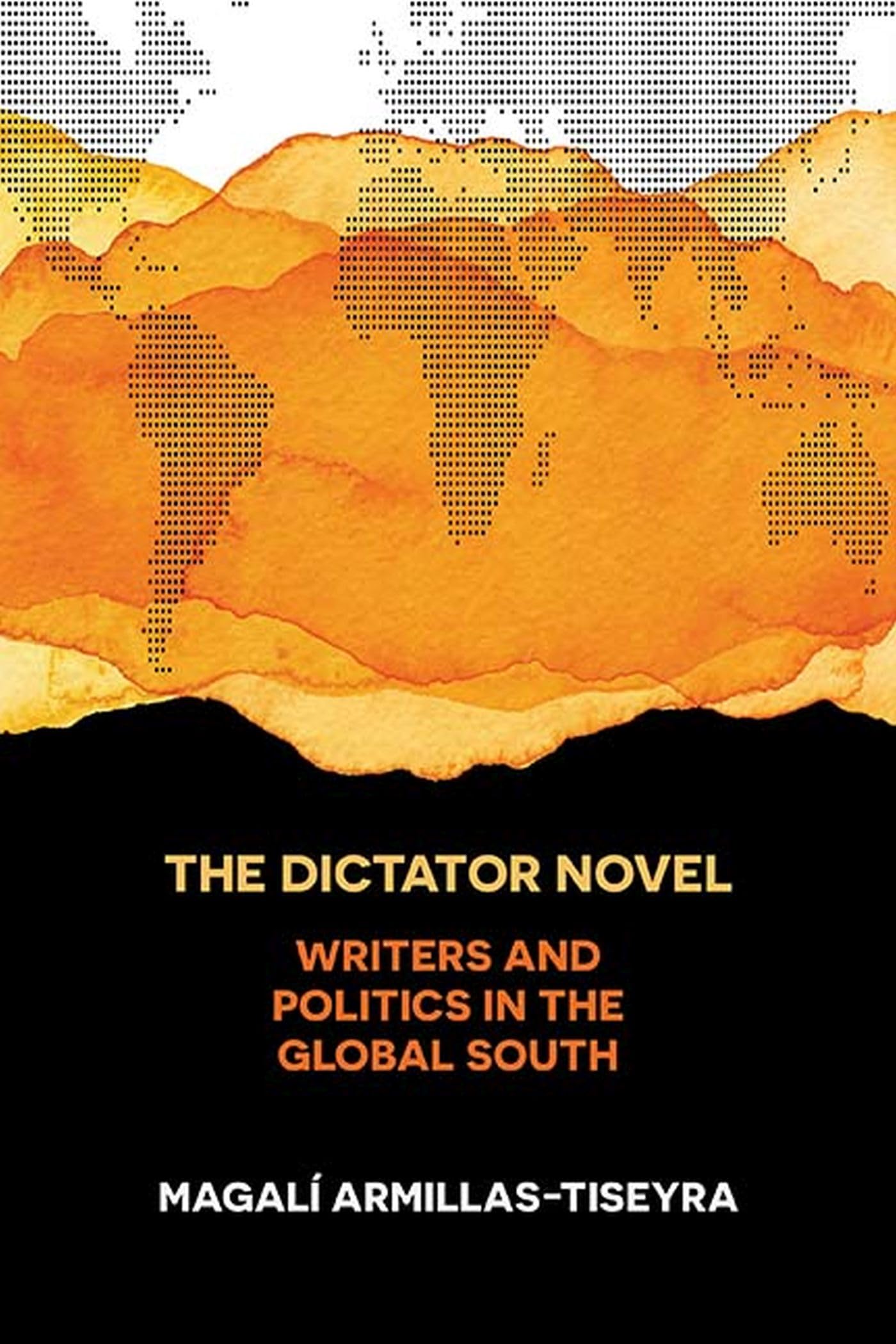
Where there are dictators, there are novels about dictators. But dictator novels do not simply respond to the reality of dictatorship. As this genre has developed and cohered, it has acquired a selfgenerating force distinct from its historical referents. The dictator novel has become a space in which writers consider the difficulties of national consolidation, explore the role of external and global forces in sustaining dictatorship, and even interrogate the political functions of writing itself. Literary representations of the dictator, therefore, provide ground for a selfconscious and selfcritical theorization of the relationship between writing and politics itself.The Dictator Novel positions novels about dictators as a vital genre in the literatures of the Global South. Primarily identified with Latin America, the dictator novel also has underacknowledged importance in the postcolonial literatures of francophone and anglophone Africa. Although scholars have noted similarities, this book is the first extensive comparative analysis of these traditions; it includes discussions of authors including Gabriel Garca Mrquez, Ngugi wa Thiongo, Alejo Carpentier, Augusto Roa Bastos, Domingo Faustino Sarmiento, Jos Mrmol, Esteban Echeverra, Ousmane Sembne , Chinua Achebe, Aminata Sow Fall, Henri Lops, Sony Labou Tansi, and Ahmadou Kourouma. This juxtaposition illuminates the internal dynamics of the dictator novel as a literary genre. In so doing, ArmillasTiseyra puts forward a comparative model relevant to scholars working across the Global South.
⚠️ WARNING (California Proposition 65):
This product may contain chemicals known to the State of California to cause cancer,
birth defects, or other reproductive harm.
For MAP (Minimum Advertised Price) violations and Intellectual Property (IP) or Trademark concerns, please contact:
support@ergodebooks.com
⚠️ California Proposition 65 Warning: Some products sold on this website may expose you to chemicals known to the State of California to cause cancer, birth defects, or other reproductive harm. For more information, visit www.P65Warnings.ca.gov.