If you have any questions, you are always welcome to contact us. We'll get back to you as soon as possible, withing 24 hours on weekdays.
Customer service
All questions about your order, return and delivery must be sent to our customer service team by e-mail at yourstore@yourdomain.com
Sale & Press
If you are interested in selling our products, need more information about our brand or wish to make a collaboration, please contact us at press@yourdomain.com
Help
If you have any questions, you are always welcome to contact us. We'll get back to you as soon as possible, withing 24 hours on weekdays.
Customer service
All questions about your order, return and delivery must be sent to our customer service team by e-mail at yourstore@yourdomain.com
Sale & Press
If you are interested in selling our products, need more information about our brand or wish to make a collaboration, please contact us at press@yourdomain.com
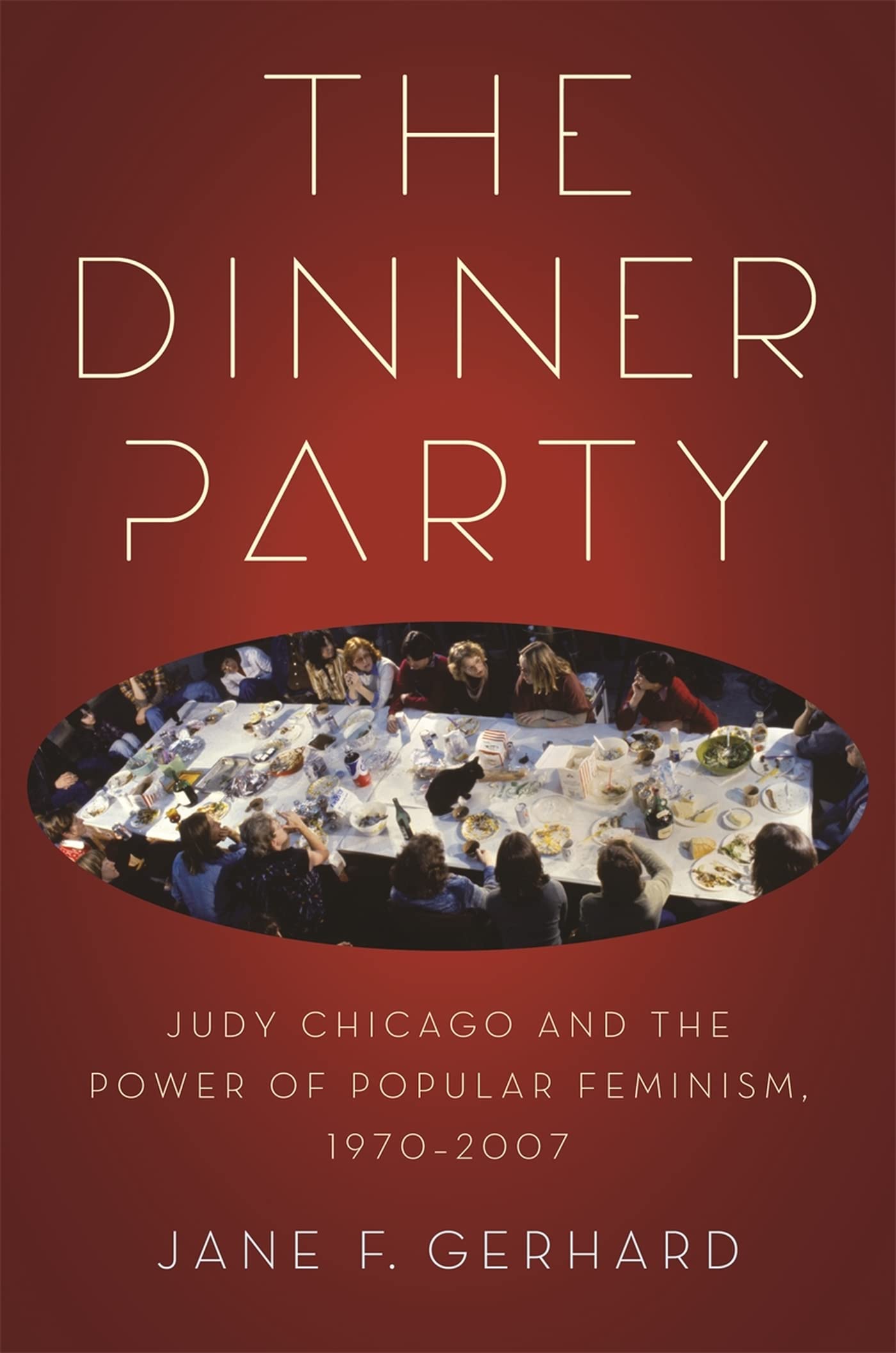
Judy Chicago's monumental art installation The Dinner Party was an immediate sensation when it debuted in 1979, and today it is considered the most popular work of art to emerge from the secondwave feminist movement. Jane F. Gerhard examines the piece's popularity to understand how ideas about feminism migrated from activist and intellectual circles into the American mainstream in the last three decades of the twentieth century.More than most social movements, feminism was transmitted and understood through cultureart installations, Ms. Magazine, All in the Family, and thousands of other cultural artifacts. But the phenomenon of cultural feminism came under extraordinary criticism in the late 1970s and 1980s Gerhard analyzes these divisions over whether cultural feminism was sufficiently activist in light of the shifting line separating liberalism from radicalism in post1970s America. She concludes with a chapter on the 1990s, when The Dinner Party emerged as a target in political struggles over public funding for the arts, even as academic feminists denounced the piece for its alleged essentialism.The path that The Dinner Party traveledfrom inception (1973) to completion (1979) to tour (19791989) to the permanent collection of the Brooklyn Museum (2007)sheds light on the history of American feminism since 1970 and on the ways popular feminism in particular can illuminate important trends and transformations in the broader culture.
⚠️ WARNING (California Proposition 65):
This product may contain chemicals known to the State of California to cause cancer,
birth defects, or other reproductive harm.
For MAP (Minimum Advertised Price) violations and Intellectual Property (IP) or Trademark concerns, please contact:
support@ergodebooks.com
⚠️ California Proposition 65 Warning: Some products sold on this website may expose you to chemicals known to the State of California to cause cancer, birth defects, or other reproductive harm. For more information, visit www.P65Warnings.ca.gov.