
Title
The Disappearance of Moral Knowledge,New
Sold by Ergodebooks, an authorized reseller.
Returns accepted within 30 days | support@ergodebooks.com
Shipping Information
- Free Standard Shipping — United States only
- Processing Time: 3–5 business days
- Estimated Delivery: 6–10 business days after dispatch
- Double-boxed, fully insured & discreetly packaged
- Tracking number sent via email once dispatched
Returns & Refund
Returns accepted within 30 days of delivery.
Damaged or Defective Item
Free return shipping + replacement or full refund
Wrong Item Received
Free return shipping + replacement or full refund
Change of Mind
Return shipping at customer's expense · 25% restocking fee applies
Payment Option

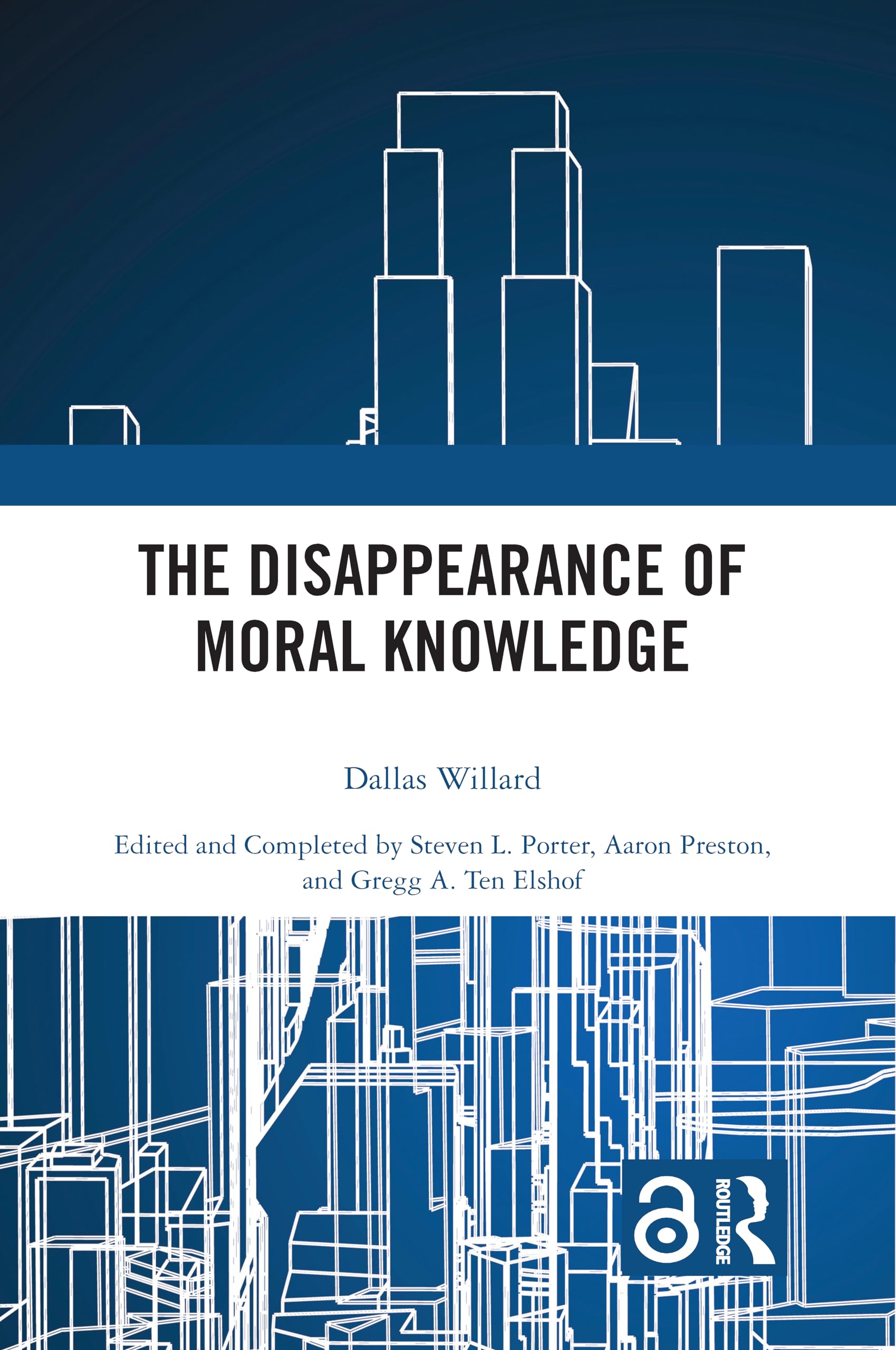
Based on an unfinished manuscript by the late philosopher Dallas Willard, this book makes the case that the 20th century saw a massive shift in Western beliefs and attitudes concerning the possibility of moral knowledge, such that knowledge of the moral life and of its conduct is no longer routinely available from the social institutions long thought to be responsible for it. In this sense, moral knowledgeas a publicly available resource for livinghas disappeared. Via a detailed survey of main developments in ethical theory from the late 19th through the late 20th centuries, Willard explains philosophys role in this shift. In pointing out the shortcomings of these developments, he shows that the shift was not the result of rational argument or discovery, but largely of arational social forcesin other words, there was no good reason for moral knowledge to have disappeared.The Disappearance of Moral Knowledge is a unique contribution to the literature on the history of ethics and social morality. Its review of historical work on moral knowledge covers a wide range of thinkers including T.H Green, G.E Moore, Charles L. Stevenson, John Rawls, and Alasdair MacIntyre. But, most importantly, it concludes with a novel proposal for how we might reclaim moral knowledge that is inspired by the phenomenological approach of Knud Logstrup and Emmanuel Levinas. Edited and eventually completed by three of Willards former graduate students, this book marks the culmination of Willards project to find a secure basis in knowledge for the moral life.The Open Access version of this book, available at www.taylorfrancis.com, has been made available under a Creative Commons AttributionNon CommercialNo Derivatives (CCBYNCND) 4.0 license. Any third party material in this book is not included in the OA Creative Commons license, unless indicated otherwise in a credit line to the material. Please direct any permissions enquiries to the original rightsholder.Funded by: Dallas Willard Ministries and the Willard Family Trust
⚠️ WARNING (California Proposition 65):
This product may contain chemicals known to the State of California to cause cancer, birth defects, or other reproductive harm.
For more information, please visit www.P65Warnings.ca.gov.