
Title
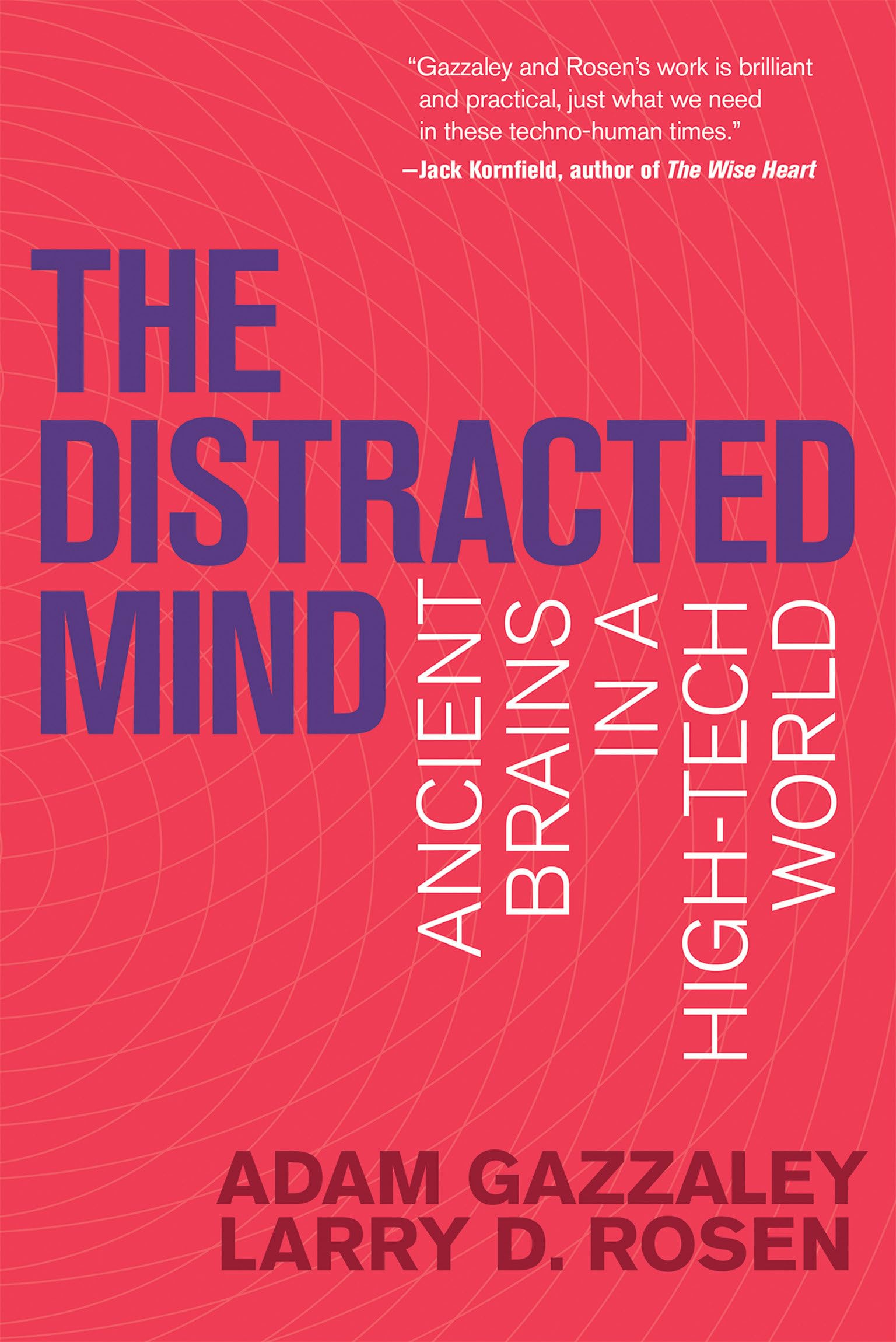
The Distracted Mind: Ancient Brains in a HighTech World (Mit Press),Used
Sold by Ergodebooks, an authorized reseller.
Returns accepted within 30 days | support@ergodebooks.com
Shipping Information
- Free Standard Shipping — United States only
- Processing Time: 3–5 business days
- Estimated Delivery: 6–10 business days after dispatch
- Double-boxed, fully insured & discreetly packaged
- Tracking number sent via email once dispatched
Returns & Refund
Returns accepted within 30 days of delivery.
Damaged or Defective Item
Free return shipping + replacement or full refund
Wrong Item Received
Free return shipping + replacement or full refund
Change of Mind
Return shipping at customer's expense · 25% restocking fee applies
Payment Option

A brilliant and practical study of why our brain isnt built for media multitaskingand how we can learn to live with technology in a more balanced way (Jack Kornfield, author of The Wise Heart).Includes practical strategies for fighting digital distractionstraight from a neuroscientist and a psychologist!Most of us will freely admit that we are obsessed with our devices. We pride ourselves on our ability to multitaskread work email, reply to a text, check Facebook, watch a video clip. Talk on the phone, send a text, drive a car. Enjoy family dinner with a glowing smartphone next to our plates. We can do it all, 24/7! Never mind the errors in the email, the nearmiss on the road, and the unheard conversation at the table. In The Distracted Mind, Adam Gazzaley and Larry Rosena neuroscientist and a psychologistexplain why our brains arent built for multitasking, and suggest better ways to live in a hightech world without giving up our modern technology.The authors explain that our brains are limited in their ability to pay attention. We dont really multitask but rather switch rapidly between tasks. Distractions and interruptions, often technologyrelatedreferred to by the authors as interferencecollide with our goalsetting abilities. We want to finish this paper/spreadsheet/sentence, but our phone signals an incoming message and we drop everything. Even without an alert, we decide that we must check in on social media immediately.Gazzaley and Rosen offer practical strategies, backed by science, to fight distraction. We can change our brains with meditation, video games, and physical exercise; we can change our behavior by planning our accessibility and recognizing our anxiety about being out of touch even briefly. They don't suggest that we give up our devices, but that we use them in a more balanced way.
⚠️ WARNING (California Proposition 65):
This product may contain chemicals known to the State of California to cause cancer, birth defects, or other reproductive harm.
For more information, please visit www.P65Warnings.ca.gov.