
Title
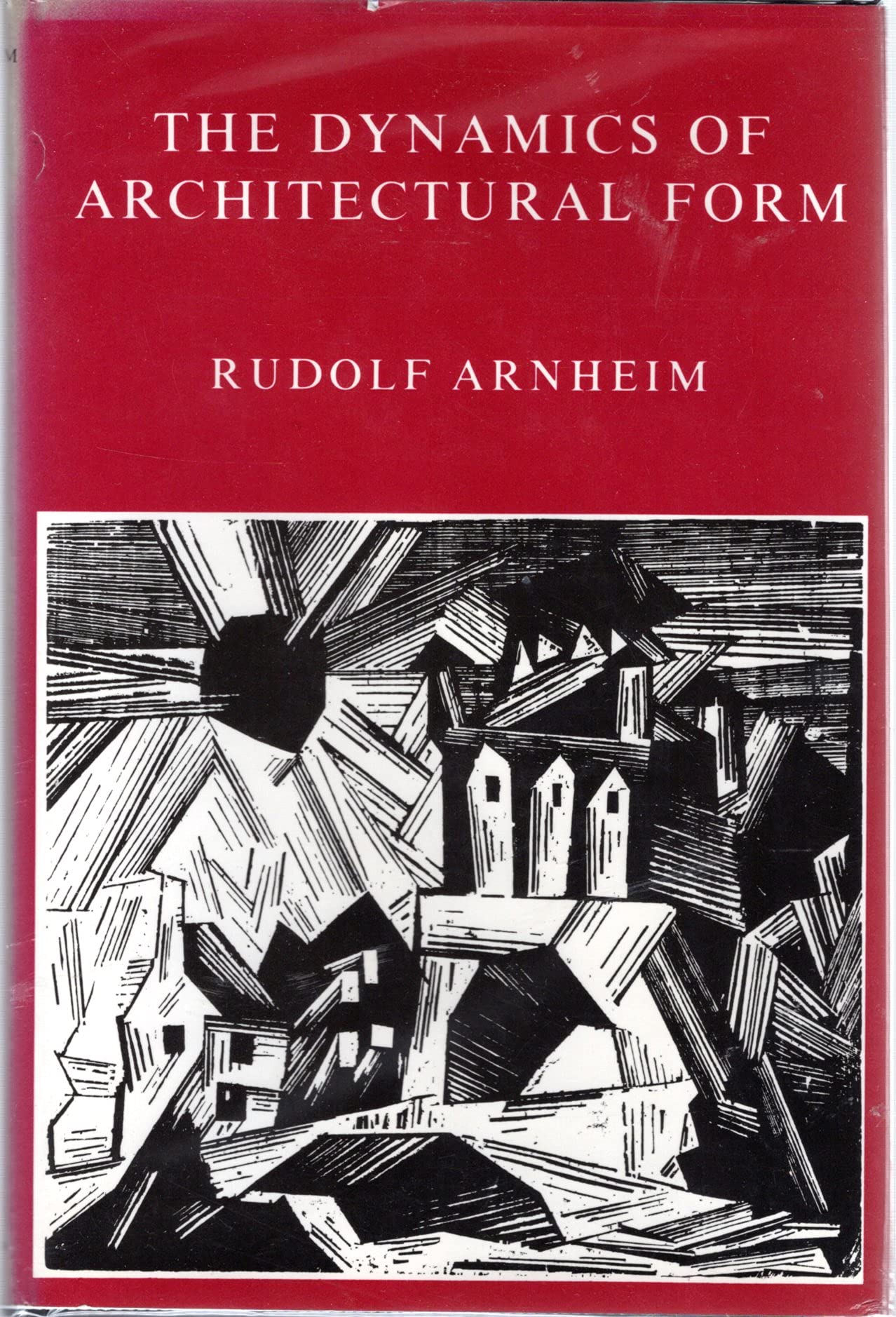
The Dynamics Of Architectural Form: Based On The 1975 Mary Duke Biddle Lectures At The Cooper Union,Used
Sold by Ergodebooks, an authorized reseller.
Returns accepted within 30 days | support@ergodebooks.com
Shipping Information
- Free Standard Shipping — United States only
- Processing Time: 3–5 business days
- Estimated Delivery: 6–10 business days after dispatch
- Double-boxed, fully insured & discreetly packaged
- Tracking number sent via email once dispatched
Returns & Refund
Returns accepted within 30 days of delivery.
Damaged or Defective Item
Free return shipping + replacement or full refund
Wrong Item Received
Free return shipping + replacement or full refund
Change of Mind
Return shipping at customer's expense · 25% restocking fee applies
Payment Option

An Authority On The Psychological Interpretation Of The Visual Arts Directs Attention To The Expressive Visual Features Of Buildings And The Perceptual Consequences Of Architecture
⚠️ WARNING (California Proposition 65):
This product may contain chemicals known to the State of California to cause cancer, birth defects, or other reproductive harm.
For more information, please visit www.P65Warnings.ca.gov.
- Q: What is the binding type of this book? A: This book is a hardcover edition. Hardcover bindings are known for their durability and professional appearance, making them ideal for display and long-term use.
- Q: Who is the author of 'The Dynamics of Architectural Form'? A: The author is Rudolf Arnheim. Arnheim is a renowned figure in the field of visual arts and psychology, bringing a unique perspective to architectural form.
- Q: How many pages does this book have? A: This book contains two hundred eighty-nine pages. This length provides a comprehensive exploration of its subject matter, ideal for both students and professionals.
- Q: What is the main theme of this book? A: The main theme focuses on the psychological interpretation of architecture. Arnheim emphasizes the expressive visual features and their impact on perception.
- Q: Is this book suitable for beginners in architecture? A: Yes, this book is suitable for beginners. It provides foundational insights into architectural form, making complex ideas accessible to new learners.
- Q: Can this book be useful for professional architects? A: Yes, professional architects can find this book useful. It offers valuable psychological perspectives that enhance understanding of architectural aesthetics.
- Q: How should I store this book to keep it in good condition? A: Store this book upright on a shelf. Keeping it away from direct sunlight and moisture will help preserve the cover and pages.
- Q: Are there any specific cleaning instructions for this book? A: No specific cleaning instructions are necessary. However, avoiding exposure to liquids and dusting it periodically can help maintain its condition.
- Q: What is the publisher of this book? A: The publisher is the University of California Press. This reputable publisher is known for its contributions to academic and scholarly literature.
- Q: Is this book appropriate for children? A: No, this book is not specifically targeted at children. Its complex themes may be more suitable for older teens and adults interested in architecture.
- Q: What makes this book unique in the field of architecture? A: Its psychological approach to architecture distinguishes it. Arnheim's focus on visual perception offers a fresh perspective in architectural discourse.
- Q: Can this book help in understanding modern architectural trends? A: Yes, it can help in understanding modern trends. The psychological insights provided can be applied to contemporary architectural practices.
- Q: What audience is this book intended for? A: This book is intended for students, educators, and professionals in architecture. Its insights cater to those seeking a deeper understanding of architectural form.
- Q: Does this book include illustrations or diagrams? A: No specific details about illustrations are provided. However, many architectural texts often include visual aids to enhance comprehension.
- Q: What type of content can I expect in this book? A: You can expect content that delves into the psychological effects of architecture. It discusses how visual features influence perception and experience.
- Q: What is the significance of the Mary Duke Biddle Lectures? A: The Mary Duke Biddle Lectures are significant as they foster critical discourse in architecture. This book is based on lectures that highlight innovative ideas in the field.