
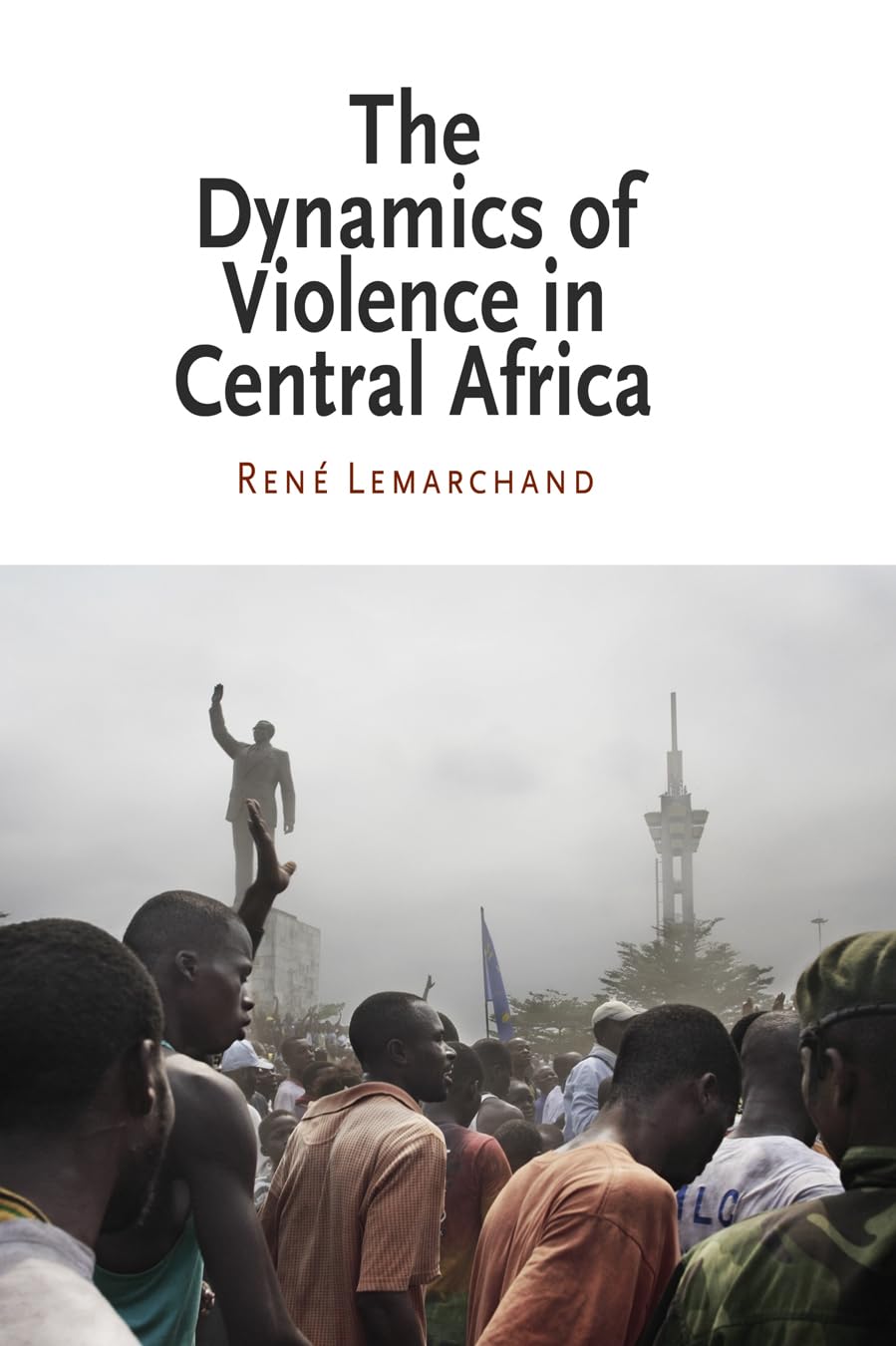
Title
The Dynamics Of Violence In Central Africa (National And Ethnic Conflict In The 21St Century)
Sold by Ergodebooks, an authorized reseller.
Returns accepted within 30 days | support@ergodebooks.com
Shipping Information
- Free Standard Shipping — United States only
- Processing Time: 3–5 business days
- Estimated Delivery: 6–10 business days after dispatch
- Double-boxed, fully insured & discreetly packaged
- Tracking number sent via email once dispatched
Returns & Refund
Returns accepted within 30 days of delivery.
Damaged or Defective Item
Free return shipping + replacement or full refund
Wrong Item Received
Free return shipping + replacement or full refund
Change of Mind
Return shipping at customer's expense · 25% restocking fee applies
Payment Option

Endowed With Natural Resources, Majestic Bodies Of Fresh Water, And A Relatively Mild Climate, The Great Lakes Region Of Central Africa Has Also Been The Site Of Some Of The World'S Bloodiest Atrocities. In Rwanda, Burundi, And The Congokinshasa, Decades Of Colonial Subjugationmost Infamously Under Belgium'S Leopold Iiwere Followed By Decades Of Civil Warfare That Spilled Into Neighboring Countries. When These Conflicts Lead To Horrors Such As The 1994 Rwandan Genocide, Ethnic Difference And Postcolonial Legacies Are Commonly Blamed, But, With So Much At Stake, Such Simple Explanations Cannot Take The Place Of Detailed, Dispassionate Analysis.The Dynamics Of Violence In Central Africa Provides A Thorough Exploration Of The Contemporary Crises In The Region. By Focusing On The Historical And Social Forces Behind The Cycles Of Bloodshed In Rwanda, Burundi, And The Congokinshasa, Ren Lemarchand Challenges Much Of The Conventional Wisdom About The Roots Of Civil Strife In Former Belgian Africa. He Offers Telling Insights Into The Appalling Cycle Of Genocidal Violence, Ethnic Strife, And Civil War That Has Made The Great Lakes Region Of Central Africa The Most Violent On The Continent, And He Sheds New Light On The Dynamics Of Conflict In The Region.Building On A Full Career Of Scholarship And Fieldwork, Lemarchand'S Analysis Breaks New Ground In Our Understanding Of The Complex Historical Forces That Continue To Shape The Destinies Of One Of Africa'S Most Important Regions.
⚠️ WARNING (California Proposition 65):
This product may contain chemicals known to the State of California to cause cancer, birth defects, or other reproductive harm.
For more information, please visit www.P65Warnings.ca.gov.
- Q: How many pages does this book have? A: This book has three hundred forty-four pages. It provides a detailed exploration of violence in Central Africa.
- Q: What is the binding type of this book? A: The binding type of this book is paperback. This makes it lightweight and easy to handle.
- Q: What are the dimensions of this book? A: The dimensions of this book are six inches in length, nine inches in height, and three-fourths of an inch in width.
- Q: Who is the author of 'The Dynamics of Violence in Central Africa'? A: The author is René Lemarchand. He is known for his extensive scholarship on Central African conflicts.
- Q: What is the main subject of this book? A: The main subject is the dynamics of violence and conflict in Central Africa. It examines historical and social forces contributing to civil strife.
- Q: Is this book suitable for academic research? A: Yes, this book is suitable for academic research. It provides in-depth analysis and challenges conventional wisdom about Central African conflicts.
- Q: Can this book help me understand the Rwandan genocide? A: Yes, this book offers insights into the Rwandan genocide. It contextualizes the event within historical and social frameworks.
- Q: What themes are explored in this book? A: The themes explored include ethnic strife, civil war, and legacies of colonialism. These themes are critical to understanding the region's conflicts.
- Q: How does the author approach the topic of violence? A: The author approaches the topic with detailed, dispassionate analysis. He challenges simplistic explanations for the violence in the region.
- Q: Are there any notable features of this book? A: Yes, it is a used book in good condition. This means it has been well-preserved despite being pre-owned.
- Q: What is the publisher of this book? A: The publisher is the University of Pennsylvania Press. They are known for academic and scholarly works.
- Q: Is this book a good resource for learning about ethnic conflicts? A: Yes, this book is an excellent resource for learning about ethnic conflicts in Central Africa. It provides a comprehensive view of the issues.
- Q: Does this book include historical context? A: Yes, it includes extensive historical context. The author examines the colonial legacies that contribute to current conflicts.
- Q: What makes this book stand out from others on the same topic? A: This book stands out due to its thorough analysis and challenge of conventional wisdom about the roots of violence in Central Africa.
- Q: Is this book relevant for current events? A: Yes, it is relevant for understanding current events in Central Africa. The analysis of historical events helps contextualize modern issues.