
Title
The Ecology Of Snow And Ice Environments,New
Sold by Ergodebooks, an authorized reseller.
Returns accepted within 30 days | support@ergodebooks.com
Shipping Information
- Free Standard Shipping — United States only
- Processing Time: 3–5 business days
- Estimated Delivery: 6–10 business days after dispatch
- Double-boxed, fully insured & discreetly packaged
- Tracking number sent via email once dispatched
Returns & Refund
Returns accepted within 30 days of delivery.
Damaged or Defective Item
Free return shipping + replacement or full refund
Wrong Item Received
Free return shipping + replacement or full refund
Change of Mind
Return shipping at customer's expense · 25% restocking fee applies
Payment Option

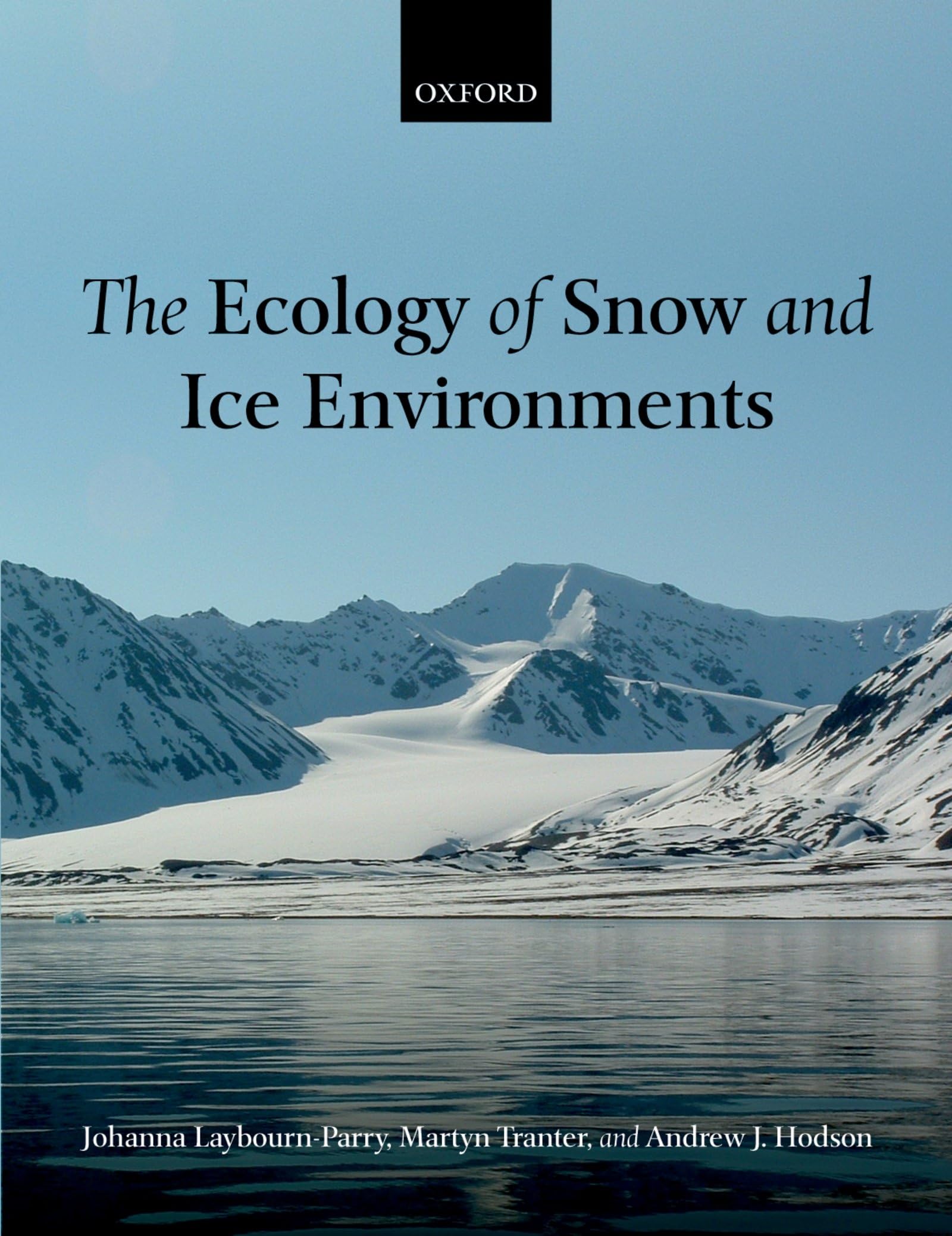
Snow and ice environments support significant biological activity, yet the biological importance of some of these habitats, such as glaciers, has only recently gained appreciation. Collectively, these ecosystems form a significant part of the cryosphere, most of which is situated at high latitudes. These ice environments are important sentinels of climate change since the polar regions are presently undergoing the highest rates of climate warming, resulting in very marked changes in the extent of ice caps, glaciers, and the sea ice. Glacial systems are also regarded as an analogue for astrobiology, particularly for Mars and the moons of Jupiter (e.g. Europa), and one of the justifications for research in this area is its potential value in astrobiology.This timely and accessible volume draws together the current knowledge on life in snow and ice environments. It describes these often complex and often productive ecosystems, their physical and chemical conditions, and the nature and activity of the organisms that have colonised them. The cryosphere is the domain of extremophiles, organisms able to adapt to the physiological and biochemical challenges of harsh cold conditions where liquid water may only be present for relatively short periods each year. The majority of extremophiles in ice and snow are microorganisms.The Ecology of Snow and Ice Environments is intended for the nonspecialist, enabling environmental scientists to understand the biological functioning of extreme cold environments and for biologists to gain knowledge of the nature of the cryosphere.
⚠️ WARNING (California Proposition 65):
This product may contain chemicals known to the State of California to cause cancer, birth defects, or other reproductive harm.
For more information, please visit www.P65Warnings.ca.gov.