
Title
The Economic Consequences Of The Peace
Sold by Ergodebooks, an authorized reseller.
Returns accepted within 30 days | support@ergodebooks.com
Shipping Information
- Free Standard Shipping — United States only
- Processing Time: 3–5 business days
- Estimated Delivery: 6–10 business days after dispatch
- Double-boxed, fully insured & discreetly packaged
- Tracking number sent via email once dispatched
Returns & Refund
Returns accepted within 30 days of delivery.
Damaged or Defective Item
Free return shipping + replacement or full refund
Wrong Item Received
Free return shipping + replacement or full refund
Change of Mind
Return shipping at customer's expense · 25% restocking fee applies
Payment Option

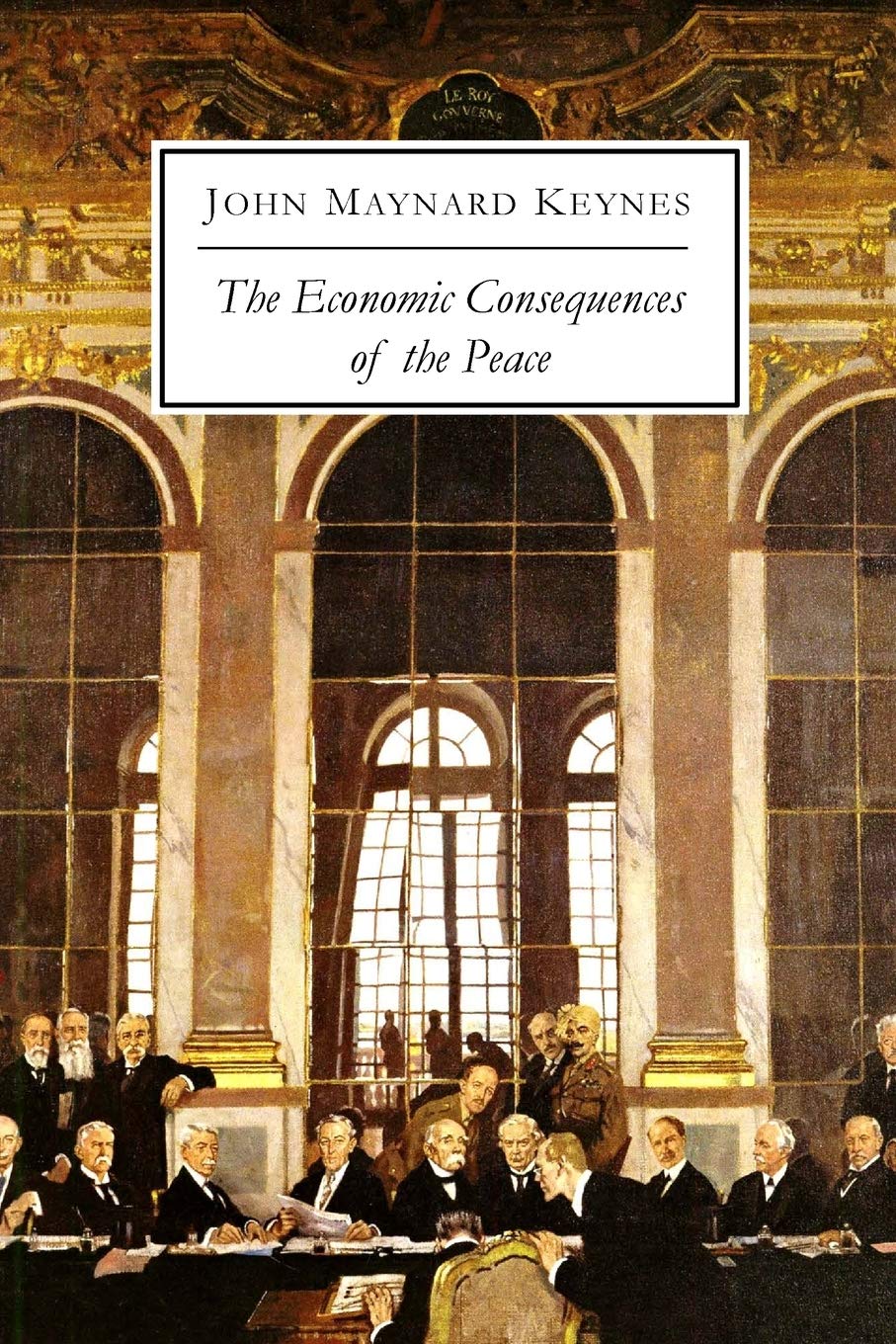
The Economic Consequences Of The Peace (1919) Was Written By John Maynard Keynes. Keynes Attended The Versailles Conference As A Delegate Of The British Treasury And Argued For A Much More Generous Peace. It Was A Bestseller Throughout The World And Was Critical In Establishing A General Opinion That The Versailles Treaty Was A Carthaginian Peace. It Helped To Consolidate American Public Opinion Against The Treaty And Involvement In The League Of Nations. The Perception By Much Of The British Public That Germany Had Been Treated Unfairly In Turn Was A Crucial Factor In Public Support For Appeasement. The Success Of The Book Established Keynes' Reputation As A Leading Economist Especially On The Left. When Keynes Was A Key Player In Establishing The Bretton Woods System In 1944, He Remembered The Lessons From Versailles As Well As The Great Depression. The Marshall Plan After Second World War Is A Similar System To That Proposed By Keynes In The Economic Consequences Of The Peace.
⚠️ WARNING (California Proposition 65):
This product may contain chemicals known to the State of California to cause cancer, birth defects, or other reproductive harm.
For more information, please visit www.P65Warnings.ca.gov.
- Q: How many pages does 'The Economic Consequences of the Peace' have? A: This book has one hundred forty-two pages. It provides a comprehensive exploration of the economic impacts of the Versailles Treaty.
- Q: What is the binding type of this book? A: The binding type is paperback. This makes it lightweight and portable for easy reading.
- Q: What are the dimensions of this book? A: The dimensions are six inches in length, zero point thirty-six inches in width, and nine point zero two inches in height. These measurements make it a convenient size for reading.
- Q: Who is the author of 'The Economic Consequences of the Peace'? A: The author is John Maynard Keynes. He was a prominent economist known for his influential ideas on macroeconomics.
- Q: What is the main topic of this book? A: The main topic is the economic consequences of the Versailles Treaty. It critiques the treaty's harsh terms imposed on Germany after World War I.
- Q: Is 'The Economic Consequences of the Peace' suitable for beginners in economics? A: Yes, it is suitable for beginners. The book presents complex economic ideas in a manner that is accessible to general readers.
- Q: How should I read this book for the best understanding? A: For best understanding, read it slowly and take notes on key concepts. Discussing the themes with others can also enhance comprehension.
- Q: Can this book be used as a reference for academic studies? A: Yes, it can be used as a reference for academic studies. Its critical analysis of the Versailles Treaty is often cited in economics and history courses.
- Q: Is there a digital version of this book? A: Yes, there is a digital version available. It can be found on various e-book platforms, making it accessible for electronic reading.
- Q: How should I store this book to keep it in good condition? A: Store the book in a cool, dry place away from direct sunlight. Keeping it on a shelf upright helps maintain its shape and prevents damage.
- Q: Can I lend this book to others? A: Yes, you can lend it to others. Just ensure they handle it carefully to avoid creasing the pages or damaging the cover.
- Q: What if the book arrives damaged? A: If the book arrives damaged, contact the seller for return or exchange options. Most sellers offer policies to address such issues.
- Q: Is this book safe for children to read? A: Yes, it is generally safe for older children. However, it is recommended for teenagers and above due to its complex themes.
- Q: What makes this book a bestseller? A: Its bestseller status is due to its profound insights into economic policy and its impact on public opinion regarding the Versailles Treaty.
- Q: Does this book include any illustrations or graphs? A: No, this book does not include illustrations or graphs. It primarily consists of text, focusing on Keynes's arguments and analyses.