If you have any questions, you are always welcome to contact us. We'll get back to you as soon as possible, withing 24 hours on weekdays.
Customer service
All questions about your order, return and delivery must be sent to our customer service team by e-mail at yourstore@yourdomain.com
Sale & Press
If you are interested in selling our products, need more information about our brand or wish to make a collaboration, please contact us at press@yourdomain.com
Help
If you have any questions, you are always welcome to contact us. We'll get back to you as soon as possible, withing 24 hours on weekdays.
Customer service
All questions about your order, return and delivery must be sent to our customer service team by e-mail at yourstore@yourdomain.com
Sale & Press
If you are interested in selling our products, need more information about our brand or wish to make a collaboration, please contact us at press@yourdomain.com
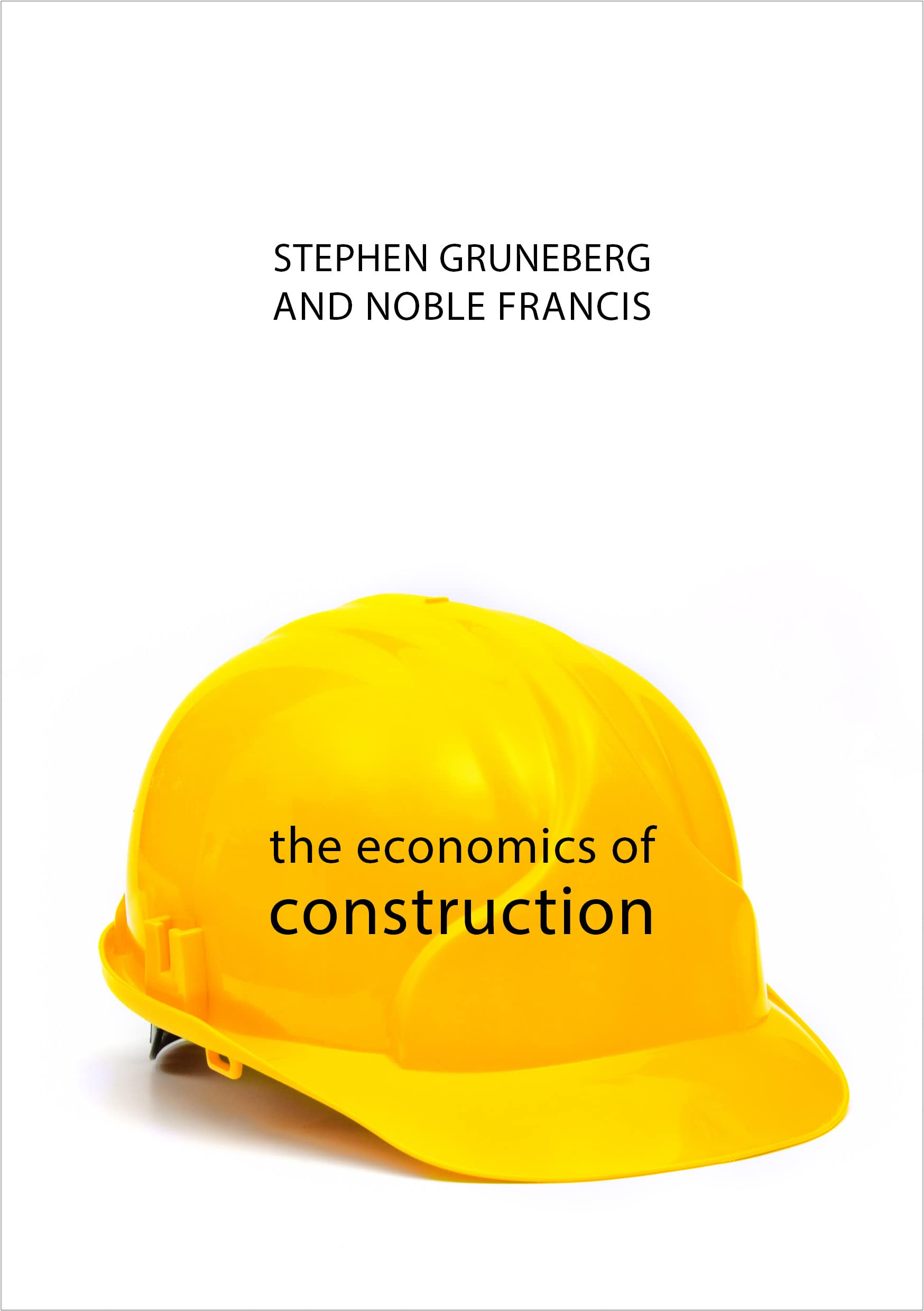
The construction of housing, commercial property and infrastructure projects roads, bridges, tunnels, railways, airports for both the private and public sectors is one of the biggest industries in the world. It contributes around 10 per cent of world GDP, employs 7 per cent of the global workforce, and consumes around 20 per cent of the worlds energy. It is also a highly fragmented industry with very low profit margins and a high risk of failure for the many firms operating in its complex supply chain.Stephen Gruneberg and Noble Francis present an uptodate analysis of how construction markets operate, how firms collaborate on projects, and how their business models work. They explore the many distinctive features of the economics of the industry, such as the use of costreduction rather than profitmaximizing behaviour, the processes of tendering and procurement, and the often cyclical nature of demand. Particular challenges for the industry, such as the frequency of disputes between firms and the low productivity of the sector, are shown to be the outcomes of a business model that tends to focus on the volatility of demand and managing risk at the expense of improving efficiency. As well as discussing industrywide issues, the authors also examine how individual projects are costed.The book offers authoritative analysis and expert insight into the economics of a much misunderstood industry and is suitable for a range of courses in business schools and departments of architecture and the built environment.
⚠️ WARNING (California Proposition 65):
This product may contain chemicals known to the State of California to cause cancer,
birth defects, or other reproductive harm.
For MAP (Minimum Advertised Price) violations and Intellectual Property (IP) or Trademark concerns, please contact:
support@ergodebooks.com
⚠️ California Proposition 65 Warning: Some products sold on this website may expose you to chemicals known to the State of California to cause cancer, birth defects, or other reproductive harm. For more information, visit www.P65Warnings.ca.gov.