If you have any questions, you are always welcome to contact us. We'll get back to you as soon as possible, withing 24 hours on weekdays.
Customer service
All questions about your order, return and delivery must be sent to our customer service team by e-mail at yourstore@yourdomain.com
Sale & Press
If you are interested in selling our products, need more information about our brand or wish to make a collaboration, please contact us at press@yourdomain.com
Help
If you have any questions, you are always welcome to contact us. We'll get back to you as soon as possible, withing 24 hours on weekdays.
Customer service
All questions about your order, return and delivery must be sent to our customer service team by e-mail at yourstore@yourdomain.com
Sale & Press
If you are interested in selling our products, need more information about our brand or wish to make a collaboration, please contact us at press@yourdomain.com
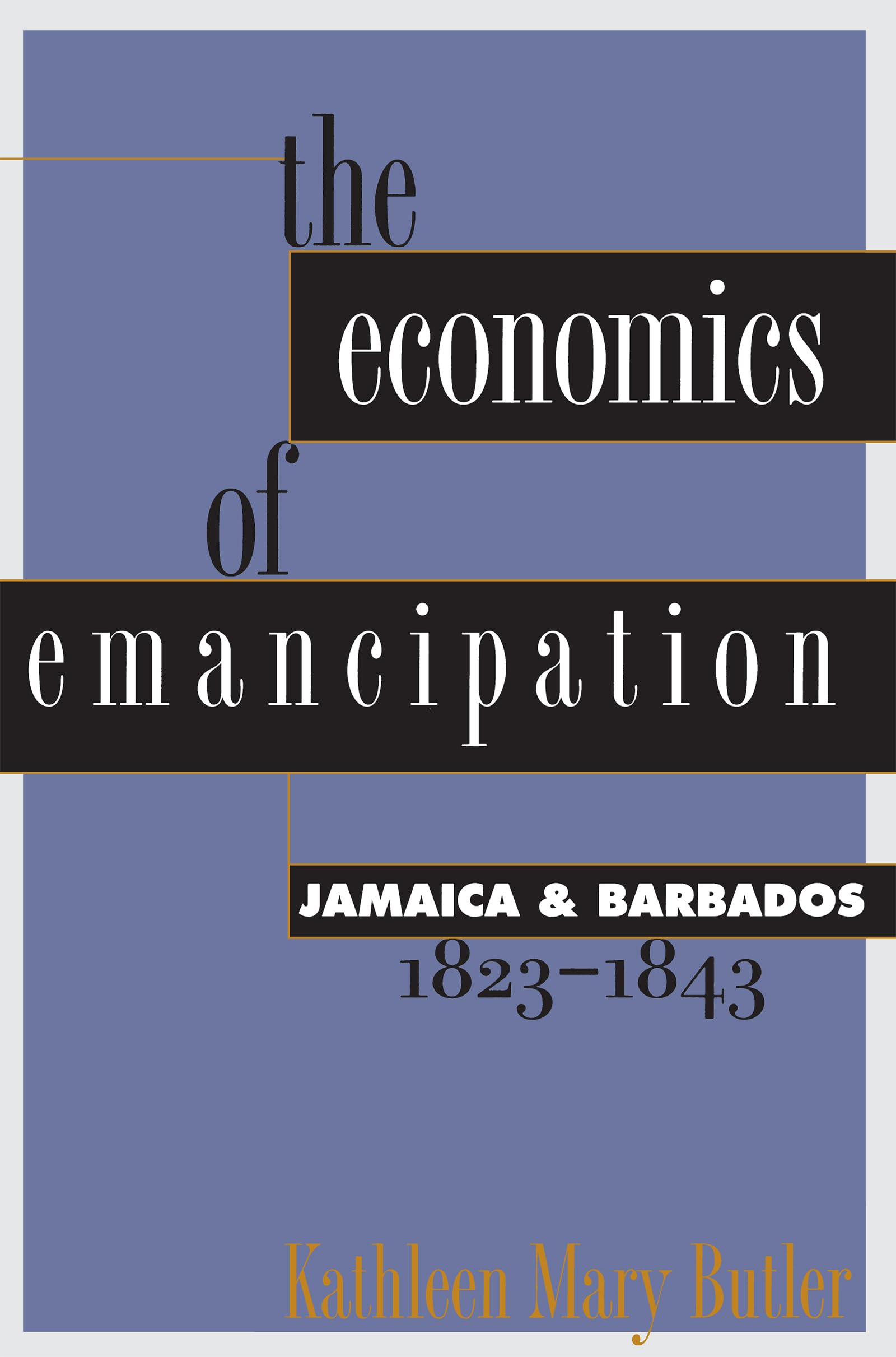
The British Slavery Abolition Act of 1834 provided a grant of u20 million to compensate the owners of West Indian slaves for the loss of their human 'property.' In this first comparative analysis of the impact of the award on the colonies, Mary Butler focuses on Jamaica and Barbados, two of Britain's premier sugar islands. The Economics of Emancipation examines the effect of compensated emancipation on colonial credit, landownership, plantation land values, and the broader spheres of international trade and finance. Butler also brings the role and status of women as creditors and plantation owners into focus for the first time. Through her analysis of rarely used chancery court records, attorneys' letters, and compensation returns, Butler underscores the fragility of the colonial economies of Jamaica and Barbados, illustrates the changing relationship between planters and merchants, and offers new insights into the social and political history of the West Indies and Britain.
⚠️ WARNING (California Proposition 65):
This product may contain chemicals known to the State of California to cause cancer,
birth defects, or other reproductive harm.
For MAP (Minimum Advertised Price) violations and Intellectual Property (IP) or Trademark concerns, please contact:
support@ergodebooks.com
⚠️ California Proposition 65 Warning: Some products sold on this website may expose you to chemicals known to the State of California to cause cancer, birth defects, or other reproductive harm. For more information, visit www.P65Warnings.ca.gov.