
Title
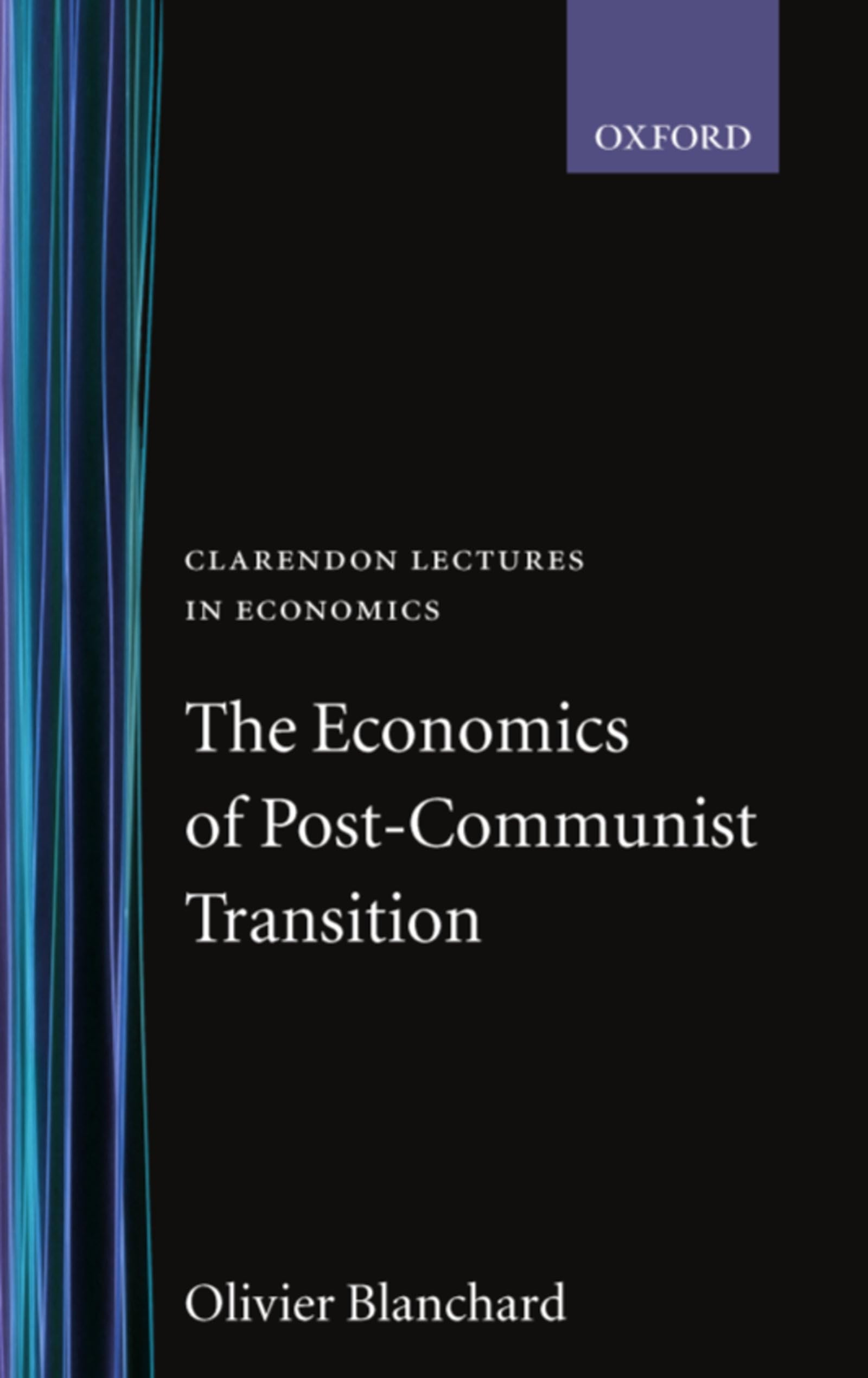
The Economics Of Postcommunist Transition (Clarendon Lectures In Economics)
Sold by Ergodebooks, an authorized reseller.
Returns accepted within 30 days | support@ergodebooks.com
Shipping Information
- Free Standard Shipping — United States only
- Processing Time: 3–5 business days
- Estimated Delivery: 6–10 business days after dispatch
- Double-boxed, fully insured & discreetly packaged
- Tracking number sent via email once dispatched
Returns & Refund
Returns accepted within 30 days of delivery.
Damaged or Defective Item
Free return shipping + replacement or full refund
Wrong Item Received
Free return shipping + replacement or full refund
Change of Mind
Return shipping at customer's expense · 25% restocking fee applies
Payment Option

Transition in Central and Eastern Europe, as Blanchard points out, has adhered to a Ushaped response in terms of economic outputthat is, a sharp decline in output followed by a recovery. Today, most of the countries of Central Europe seem to have enjoyed a steady upswing, while most Eastern European nations still appear to be near the bottom of the U. This book traces the courses, causes, and implications of this pattern, arguing that two basic mechanisms dominate such transition. The first is the reallocation between the state and private sectors, with a contraction of activities in the former and an expansion in the latter. The second is the restructuring of the old state sector, with the opportunity for large improvements in productivity.Against this background, the book's focus shifts to three particular factors: the adjustment of employment and wages in state firms to the initial shock of reduced demand for their goods; the dynamics of restructuring and privatization; and the relationship between reallocation, restructuring, and traffic in the labor market. The final section summarizes the discussion, and in doing so builds a general equilibrium model as a preliminary to the analysis of three sets of issues: the role of unemployment benefits and privatization ules; the interaction between transition and fiscal policy; and the evolution of the support for reform. The model is then used to address the thorny issue of the ideal speed for economic reform.The latest offering from a distinguished expert on the economics of transition, this is one of the first booklength analyses of the process of moving from a centrallyplanned to a market economy.
⚠️ WARNING (California Proposition 65):
This product may contain chemicals known to the State of California to cause cancer, birth defects, or other reproductive harm.
For more information, please visit www.P65Warnings.ca.gov.