If you have any questions, you are always welcome to contact us. We'll get back to you as soon as possible, withing 24 hours on weekdays.
Customer service
All questions about your order, return and delivery must be sent to our customer service team by e-mail at yourstore@yourdomain.com
Sale & Press
If you are interested in selling our products, need more information about our brand or wish to make a collaboration, please contact us at press@yourdomain.com
Help
If you have any questions, you are always welcome to contact us. We'll get back to you as soon as possible, withing 24 hours on weekdays.
Customer service
All questions about your order, return and delivery must be sent to our customer service team by e-mail at yourstore@yourdomain.com
Sale & Press
If you are interested in selling our products, need more information about our brand or wish to make a collaboration, please contact us at press@yourdomain.com
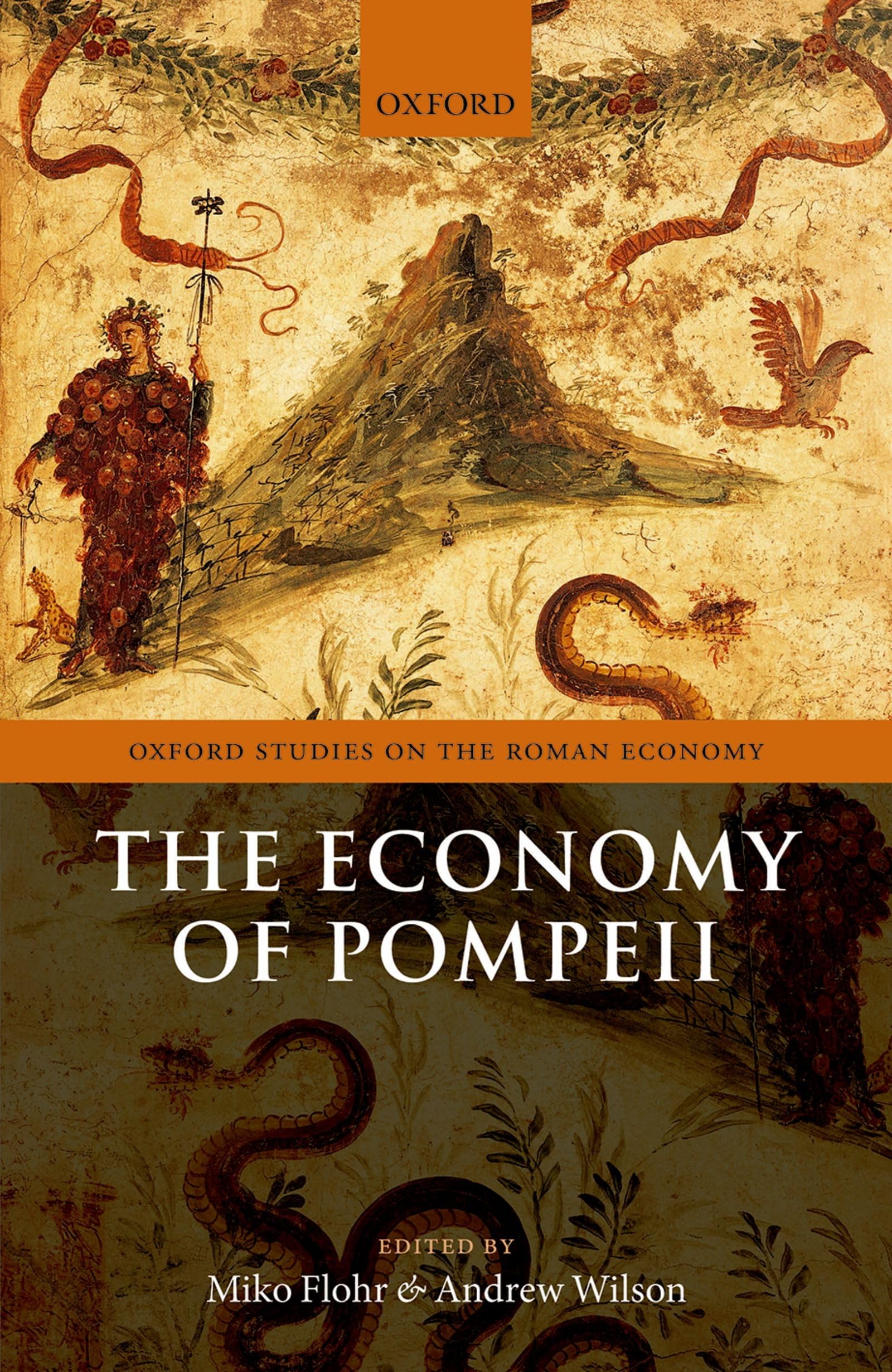
This volume presents fourteen papers by Roman archaeologists and historians discussing approaches to the economic history of Pompeii and the role of the Pompeian evidence in debates about the Roman economy.Four themes are discussed: first, the position of Pompeii and its agricultural environment, discussing the productivity and specialization of agriculture in the Vesuvian region and the degree to which we can explain Pompeii's size and wealth on the basis of the city's economic hinterland. Secondly, what did Pompeians get out of their economy: how welloff were people in Pompeii? This involves discussion of the consumption of everyday consumer goods, analyzing archaeobotanical remains to highlight the quality of Pompeian diets and what bone remains reveal about the health of the inhabitants of Pompeii. A third theme is economic life in the city: how are we to understand the evidence for crafts and manufacturing? How are we to assess Pompeii's commercial topography? Who were the people who actually invested in constructing shops and workshops? In which economic contexts were Pompeian paintings produced? Finally, the volume discusses money and business: how integrated was Pompeii into the wider world of commerce and exchange and what can the many coins found at Pompeii tell us about this? What do the wax tablets found near Pompeii tell us about trade in the Bay of Naples in the first century AD? Together, the chapters of this volume highlight how Pompeii became a very rich community and how it profited from its position in the center of the Roman world.
⚠️ WARNING (California Proposition 65):
This product may contain chemicals known to the State of California to cause cancer,
birth defects, or other reproductive harm.
For MAP (Minimum Advertised Price) violations and Intellectual Property (IP) or Trademark concerns, please contact:
support@ergodebooks.com
⚠️ California Proposition 65 Warning: Some products sold on this website may expose you to chemicals known to the State of California to cause cancer, birth defects, or other reproductive harm. For more information, visit www.P65Warnings.ca.gov.