If you have any questions, you are always welcome to contact us. We'll get back to you as soon as possible, withing 24 hours on weekdays.
Customer service
All questions about your order, return and delivery must be sent to our customer service team by e-mail at yourstore@yourdomain.com
Sale & Press
If you are interested in selling our products, need more information about our brand or wish to make a collaboration, please contact us at press@yourdomain.com
Help
If you have any questions, you are always welcome to contact us. We'll get back to you as soon as possible, withing 24 hours on weekdays.
Customer service
All questions about your order, return and delivery must be sent to our customer service team by e-mail at yourstore@yourdomain.com
Sale & Press
If you are interested in selling our products, need more information about our brand or wish to make a collaboration, please contact us at press@yourdomain.com
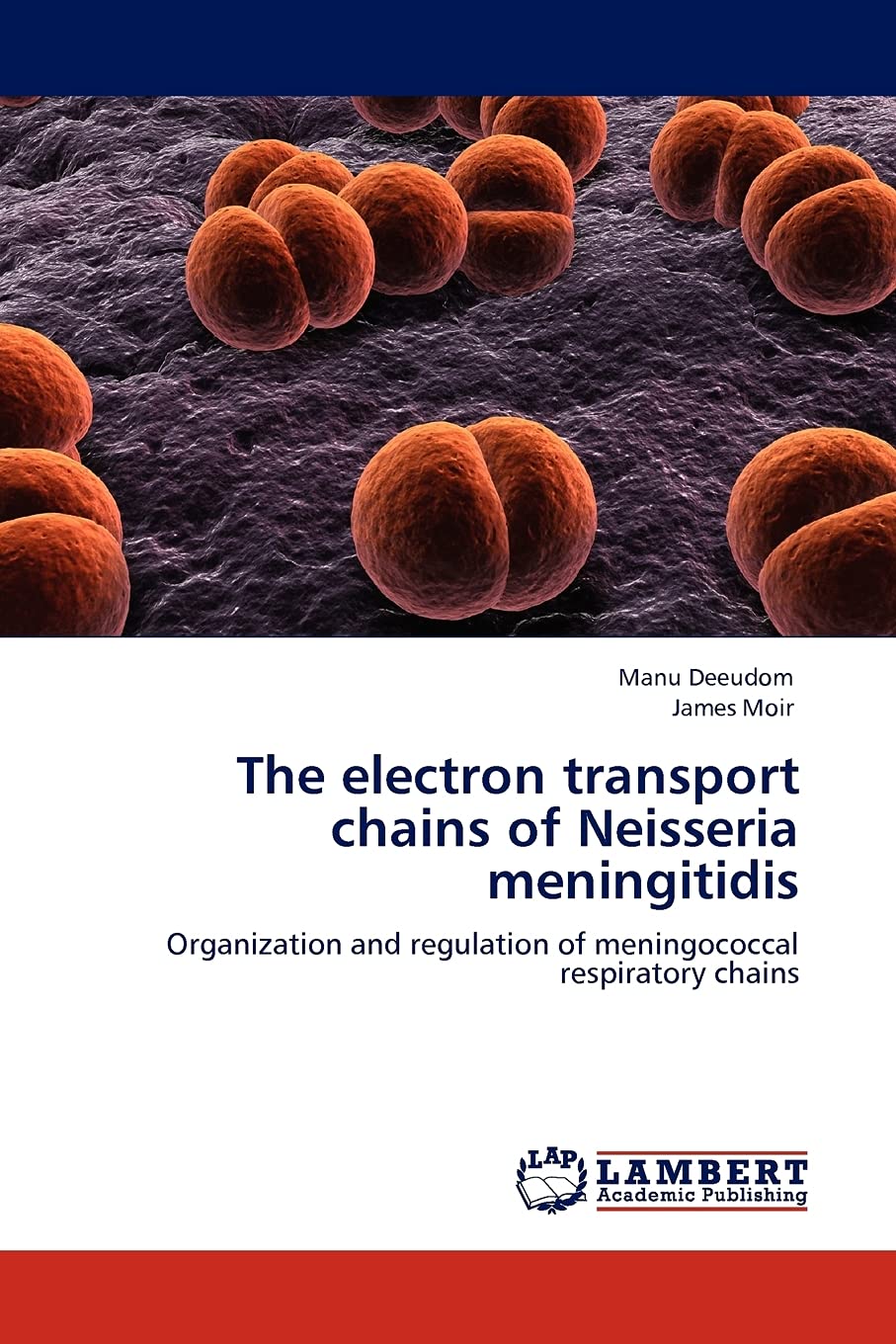
Neisseria meningitidis is a facultative microaerophilic bacterium that can utilize oxygen, nitrite, and nitric oxide as terminal electron acceptors for its respiration. Oxygen can cause oxidation of both ctype and btype cytochromes while nitrite or nitric oxide cause oxidation of btype cytochrome predominantly. Nitrite as well as nitric oxide can directly inhibits oxidation of ctype cytochromes by oxygen. The meningococcus posseses many periplasmic electron transferring proteins. These proteins include cytochrome c2, cytochrome c4, cytochrome c5, and lipidmodified azurin. The cytochromes c2 and c4 are major electron donors to cytochrome cbb3 oxidase whereas the cytochrome c5 is a major electron donor to coppercontaining nitrite reductase. The cytochrome c5 and lipidmodified azurin, to lesser extent, are also able to donate electrons to cytochrome cbb3 oxidase. Its respiratory flexibility may give the organism an advantage to adapt in environments where fluctuation of respiratory substrates occurs.
⚠️ WARNING (California Proposition 65):
This product may contain chemicals known to the State of California to cause cancer,
birth defects, or other reproductive harm.
For MAP (Minimum Advertised Price) violations and Intellectual Property (IP) or Trademark concerns, please contact:
support@ergodebooks.com
⚠️ California Proposition 65 Warning: Some products sold on this website may expose you to chemicals known to the State of California to cause cancer, birth defects, or other reproductive harm. For more information, visit www.P65Warnings.ca.gov.