
Title
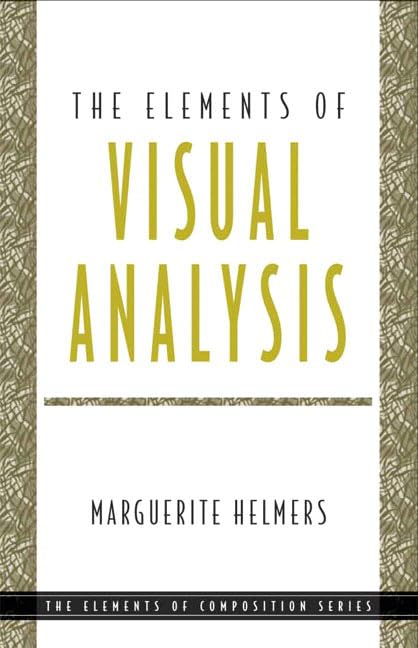
The Elements of Visual Analysis,Used
Sold by Ergodebooks, an authorized reseller.
Returns accepted within 30 days | support@ergodebooks.com
Shipping Information
- Free Standard Shipping — United States only
- Processing Time: 3–5 business days
- Estimated Delivery: 6–10 business days after dispatch
- Double-boxed, fully insured & discreetly packaged
- Tracking number sent via email once dispatched
Returns & Refund
Returns accepted within 30 days of delivery.
Damaged or Defective Item
Free return shipping + replacement or full refund
Wrong Item Received
Free return shipping + replacement or full refund
Change of Mind
Return shipping at customer's expense · 25% restocking fee applies
Payment Option

This brief, inexpensive paperback introduces students to the essential techniques and critical terms for analyzing and writing about visual culture. The Elements of Visual Analysis combines images, readings, and extensive definitions to develop students' abilities in analyzing twodimensional and threedimensional visual artifacts and experience. Designed primarily for courses in composition, rhetoric, and communications, the book will also fit any disciplines interested in engaging in serious analysis of visual phenomena.
⚠️ WARNING (California Proposition 65):
This product may contain chemicals known to the State of California to cause cancer, birth defects, or other reproductive harm.
For more information, please visit www.P65Warnings.ca.gov.
- Q: What is the size of 'The Elements of Visual Analysis'? A: The book measures five point five one inches in length, zero point five one inches in width, and eight point three one inches in height.
- Q: How many pages does this book have? A: The book contains one hundred forty-four pages, providing a concise introduction to visual analysis techniques.
- Q: What type of binding does this book have? A: The book is available in paperback binding, making it lightweight and easy to carry.
- Q: Who is the author of 'The Elements of Visual Analysis'? A: The author of this book is Marguerite Helmers, a recognized expert in visual culture.
- Q: Is this book suitable for beginners? A: Yes, this book is designed primarily for students and beginners in courses related to composition, rhetoric, and communications.
- Q: What subjects does this book cover? A: The book covers essential techniques and critical terms for analyzing and writing about visual culture.
- Q: Can this book be used in high school courses? A: Yes, 'The Elements of Visual Analysis' can be suitable for high school courses that focus on visual culture analysis.
- Q: Is this book appropriate for college-level courses? A: Yes, it is designed primarily for college courses in composition, rhetoric, and communications.
- Q: How should I care for this paperback book? A: To keep the book in good condition, store it in a cool, dry place and avoid exposure to direct sunlight.
- Q: Is there a warranty for 'The Elements of Visual Analysis'? A: Typically, books do not come with a warranty, but check the retailer's return policy for any purchase issues.
- Q: What if the book arrives damaged? A: If the book arrives damaged, you should contact the retailer for a return or exchange as per their policy.
- Q: Can I return the book if I don't like it? A: Yes, most retailers offer a return policy for books, but you should check the specific terms before purchasing.
- Q: What makes this book unique in its field? A: This book combines images, readings, and extensive definitions, enhancing students' abilities to analyze visual artifacts.
- Q: Is the content of this book updated with current visual culture trends? A: While it focuses on essential techniques, the concepts are foundational and remain relevant in the analysis of visual culture.
- Q: Does this book include exercises or activities? A: The book does not explicitly mention exercises, but it is designed to develop analytical skills in visual culture.
- Q: What genre does 'The Elements of Visual Analysis' belong to? A: This book falls under the genre of rhetoric, focusing on visual analysis within that field.