
Title
The Enlightenment of Sympathy: Justice and the Moral Sentiments in the Eighteenth Century and Today,Used
Sold by Ergodebooks, an authorized reseller.
Returns accepted within 30 days | support@ergodebooks.com
Shipping Information
- Free Standard Shipping — United States only
- Processing Time: 3–5 business days
- Estimated Delivery: 6–10 business days after dispatch
- Double-boxed, fully insured & discreetly packaged
- Tracking number sent via email once dispatched
Returns & Refund
Returns accepted within 30 days of delivery.
Damaged or Defective Item
Free return shipping + replacement or full refund
Wrong Item Received
Free return shipping + replacement or full refund
Change of Mind
Return shipping at customer's expense · 25% restocking fee applies
Payment Option

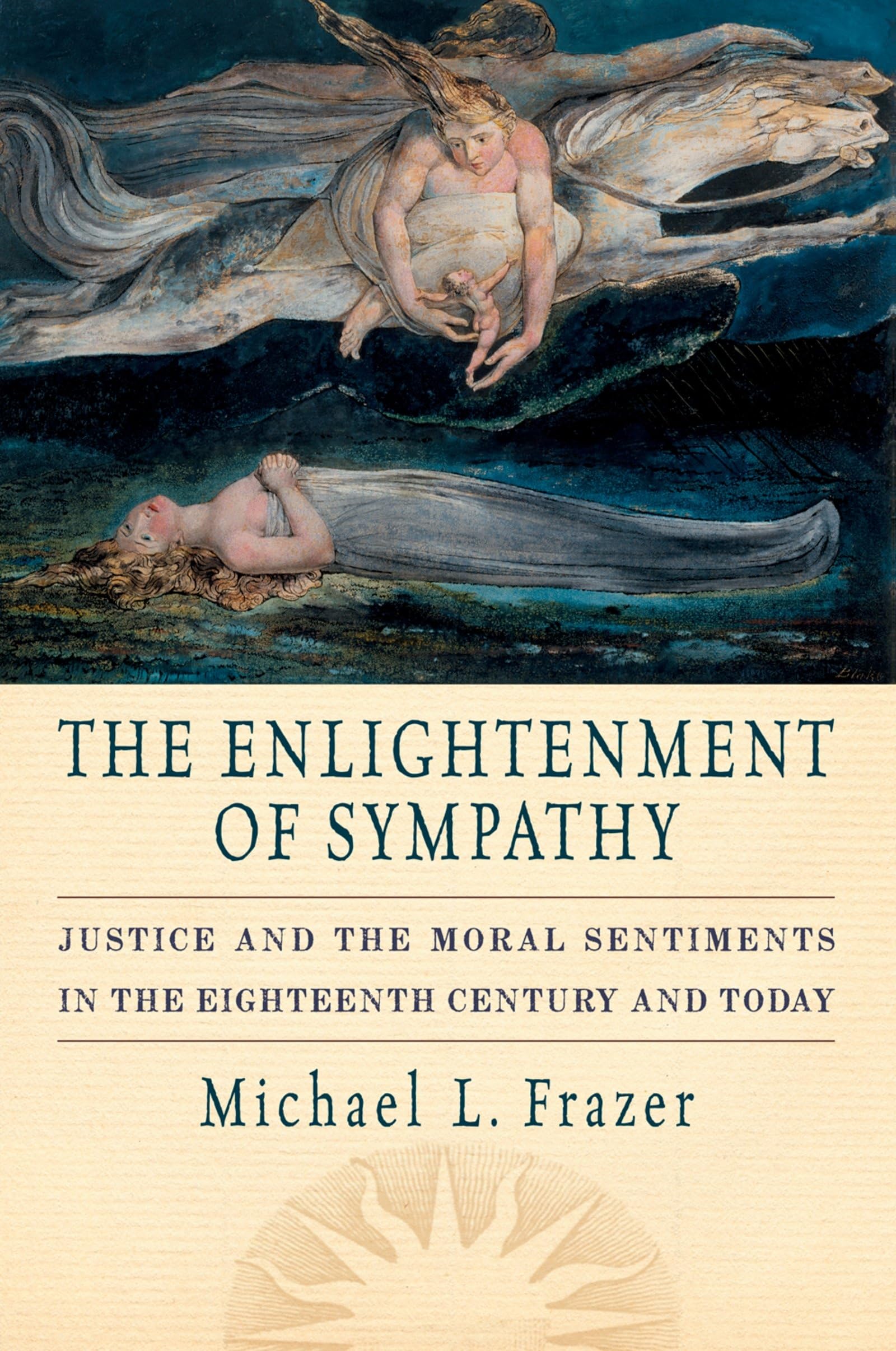
Enlightenment thinkers of the eighteenth century were committed to the ideal of reflective autonomythe principle that each of us should think for ourselves, particularly when determining moral and political standards. In keeping with that era's reputation as "the age of reason," many interpreted autonomy in a distinctively rationalist wayprivileging reflective reason over all other mental faculties.However, other leading philosophers of the erasuch as David Hume, Adam Smith, and J.G. Herderplaced greater emphasis on feeling, seeing moral and political reflection as the proper work of the mind as a whole. They argued that without emotion, imagination, and sympathy we would be incapable of developing the moral sentiments that form the basis of our commitment to justice and virtue.The Enlightenment of Sympathy reclaims the sentimentalist theory of reflective autonomy as a resource for enriching social science, normative theory, and political practice today. The sentimentalist description of the reflective process is more empirically accurate than the competing rationalist description, and can guide scientists investigating the processes by which the mind formulates moral and political principles.Yet the theory is much more than merely descriptive, and can also contribute to the philosophical project of finding principlesincluding principles of justicethat wield genuine normative authority. Enlightenment sentimentalism demonstrates that emotion is necessarily central to our civic life, and shows how our reflective sentiments can counterbalance the unreflective feelings that might otherwise lead our political principles astray.
⚠️ WARNING (California Proposition 65):
This product may contain chemicals known to the State of California to cause cancer, birth defects, or other reproductive harm.
For more information, please visit www.P65Warnings.ca.gov.