
Title
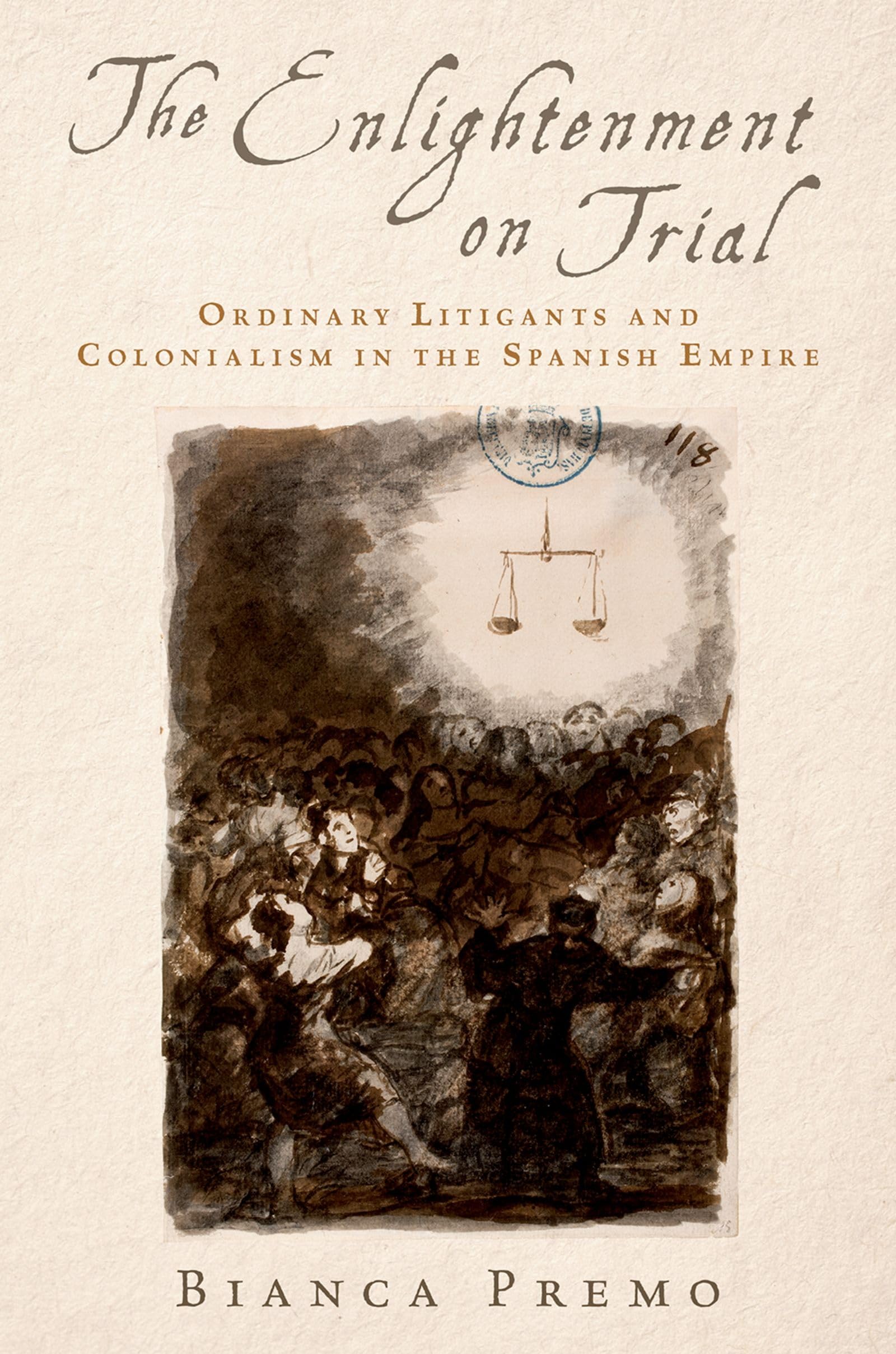
The Enlightenment on Trial: Ordinary Litigants and Colonialism in the Spanish Empire,Used
Sold by Ergodebooks, an authorized reseller.
Returns accepted within 30 days | support@ergodebooks.com
Shipping Information
- Free Standard Shipping — United States only
- Processing Time: 3–5 business days
- Estimated Delivery: 6–10 business days after dispatch
- Double-boxed, fully insured & discreetly packaged
- Tracking number sent via email once dispatched
Returns & Refund
Returns accepted within 30 days of delivery.
Damaged or Defective Item
Free return shipping + replacement or full refund
Wrong Item Received
Free return shipping + replacement or full refund
Change of Mind
Return shipping at customer's expense · 25% restocking fee applies
Payment Option

This is a history of the Enlightenmentthe rightsoriented, formalist, secularizing, freedominspired eighteenthcentury movement that defined modern Western law. But rather than members of a cosmopolitan Republic of Letters, its principal protagonists are nonliterate, poor, and enslaved litigants who sued their superiors in the royal courts of Spain's American colonies.Despite growing evidence of the Hispanic world's contributions to Enlightenment science, the writing of history, and statecraft, the region is conventionally believed to have taken an alternate route to modernity. This book grapples with the contradiction between this legacy and eighteenthcentury Spanish Americans' active production of concepts fundamental to modern law. The Enlightenment on Trial offers readers new insight into how Spanish imperial subjects created legal documents, fresh interpretations of the intellectual transformations and legal reform policies of the period, and comparative analysis of the volume of civil suits from six regions in Mexico, Peru and Spain.Ordinary litigants in the coloniesfar more often than peninsular Spaniardssued superiors at an accelerating pace in the second half of the eighteenth century. Three types of cases increased even faster than a stunning general rise of civil suits in the colonies: those that slaves, native peasants and women initiated against masters, native leaders and husbands. As they entered court, these litigants advanced a new lawcentered culture distinct from the casuistic, justiceoriented legal culture of the early modern period. And they did so at precisely the same time that a few bright minds of Europe enshrined new ideas in print. The conclusion considers why, if this is so, the Spanish empire has remained marginal to the story of the advent of the modern West.
⚠️ WARNING (California Proposition 65):
This product may contain chemicals known to the State of California to cause cancer, birth defects, or other reproductive harm.
For more information, please visit www.P65Warnings.ca.gov.