
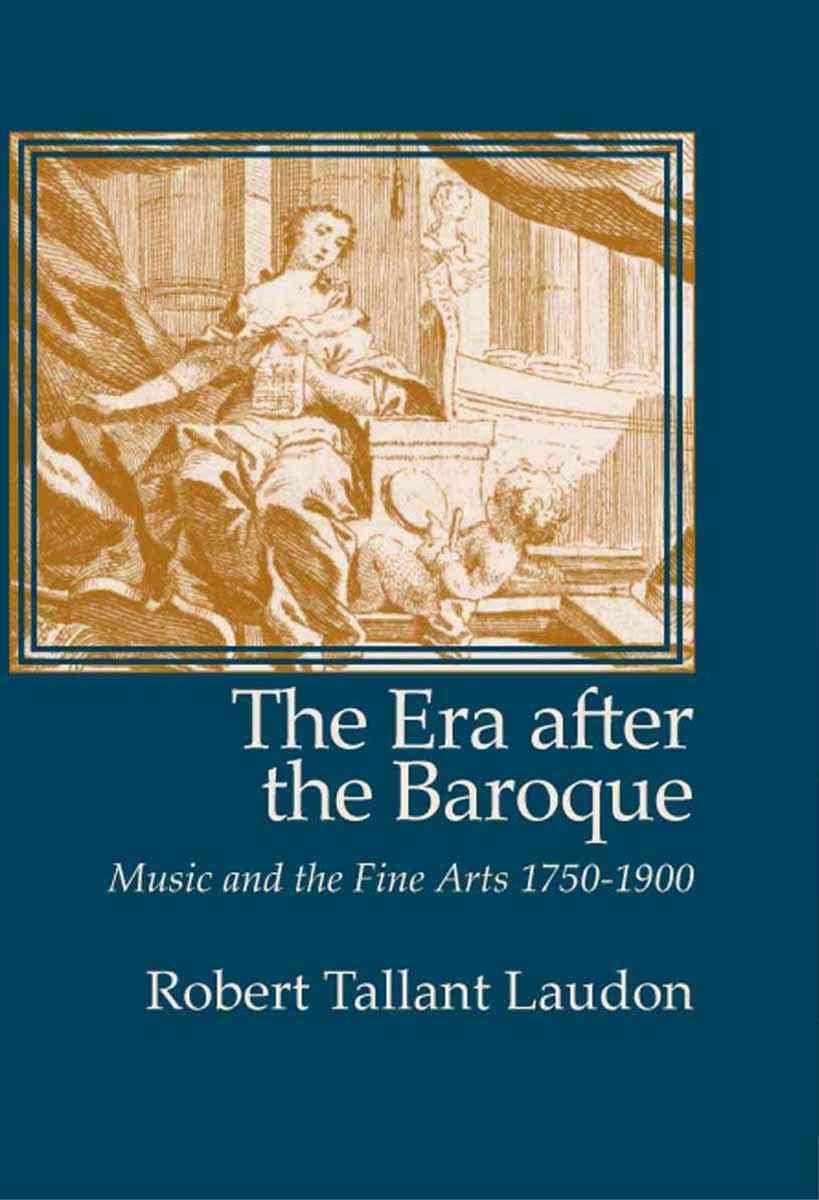
Title
The Era After the Baroque: Music and Fine Arts, 17501900 (Monographs in Musicology),Used
Sold by Ergodebooks, an authorized reseller.
Returns accepted within 30 days | support@ergodebooks.com
Shipping Information
- Free Standard Shipping — United States only
- Processing Time: 3–5 business days
- Estimated Delivery: 6–10 business days after dispatch
- Double-boxed, fully insured & discreetly packaged
- Tracking number sent via email once dispatched
Returns & Refund
Returns accepted within 30 days of delivery.
Damaged or Defective Item
Free return shipping + replacement or full refund
Wrong Item Received
Free return shipping + replacement or full refund
Change of Mind
Return shipping at customer's expense · 25% restocking fee applies
Payment Option

What shall we call the era in Western music history from 1750 to 1900? Listeners and scholars alike treasure the works of its great composers: Mozart, Beethoven, Chopin, Wagner, Tchaikovsky. A powerfully symbolic name, though analogous to "baroque" for the previous era still eludes us.We refer constantly to two trends, classical and romantic, which have substantive meaning for various composers' orientations and for ways of performing the music. But these two terms whether understood as indicating consecutive or overlapping trends do not plainly suggest the two main events of the age: the Industrial Revolution, and the democratic political upheavals of 1776, 1789, and 1848. Also, they do not acknowledge an emerging sense of humanity or the excitement of a passionate audience seeking recognition and expression.Laudon's Era after the Baroque proposes a powerful symbol for the new era while at the same time keeping traditional terminology intact. It looks at the age in a primarily positive manner while still acknowledging its darker aspects. In particular, it evokes the sphere of the newly recognized system of "fine arts" and therefore has resonances for the visual and literary arts in addition to its primary focus on music.The Era After the Baroque advances an expressive ideal that is traced in both vocal and instrumental music during that century and a half. It stresses that music was not an art unique and set apart but rather participated in the great dissemination of education and artistic opportunity that was then emerging in the context of an increasingly humancentered concept of freedom.
⚠️ WARNING (California Proposition 65):
This product may contain chemicals known to the State of California to cause cancer, birth defects, or other reproductive harm.
For more information, please visit www.P65Warnings.ca.gov.