
Title
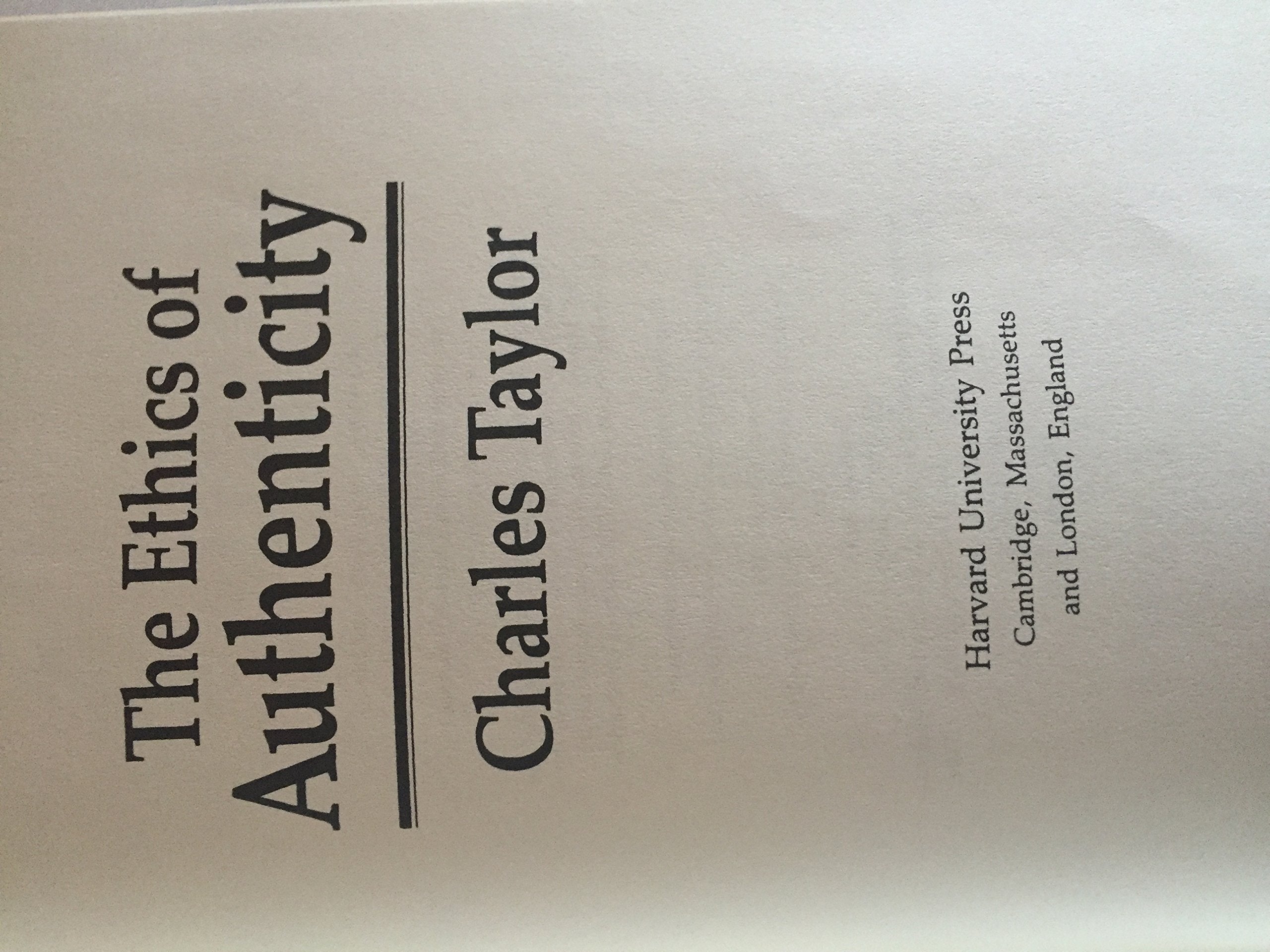
The Ethics Of Authenticity,New
Sold by Ergodebooks, an authorized reseller.
Returns accepted within 30 days | support@ergodebooks.com
Shipping Information
- Free Standard Shipping — United States only
- Processing Time: 3–5 business days
- Estimated Delivery: 6–10 business days after dispatch
- Double-boxed, fully insured & discreetly packaged
- Tracking number sent via email once dispatched
Returns & Refund
Returns accepted within 30 days of delivery.
Damaged or Defective Item
Free return shipping + replacement or full refund
Wrong Item Received
Free return shipping + replacement or full refund
Change of Mind
Return shipping at customer's expense · 25% restocking fee applies
Payment Option

Everywhere We Hear Talk Of Decline, Of A World That Was Better Once, Maybe Fifty Years Ago, Maybe Centuries Ago, But Certainly Before Modernity Drew Us Along Its Dubious Path. While Some Lament The Slide Of Western Culture Into Relativism And Nihilism And Others Celebrate The Trend As A Liberating Sort Of Progress, Charles Taylor Calls On Us To Face The Moral And Political Crises Of Our Time, And To Make The Most Of Modernitys Challenges.At The Heart Of The Modern Malaise, According To Most Accounts, Is The Notion Of Authenticity, Of Selffulfillment, Which Seems To Render Ineffective The Whole Tradition Of Common Values And Social Commitment. Though Taylor Recognizes The Dangers Associated With Modernitys Drive Toward Self Realization, He Is Not As Quick As Others To Dismiss It. He Calls For A Freeze On Cultural Pessimism.In A Discussion Of Ideas And Ideologies From Friedrich Nietzsche To Gail Sheehy, From Allan Bloom To Michel Foucault, Taylor Sorts Out The Good From The Harmful In The Modern Cultivation Of An Authentic Self. He Sets Forth The Entire Network Of Thought And Morals That Link Our Quest For Selfcreation With Our Impulse Toward Selffashioning, And Shows How Such Efforts Must Be Conducted Against An Existing Set Of Rules, Or A Gridwork Of Moral Measurement. Seen Against This Network, Our Modern Preoccupations With Expression, Rights, And The Subjectivity Of Human Thought Reveal Themselves As Assets, Not Liabilities.By Looking Past Simplistic, Onesided Judgments Of Modern Culture, By Distinguishing The Good And Valuable From The Socially And Politically Perilous, Taylor Articulates The Promise Of Our Age. His Bracing And Provocative Book Gives Voice To The Challenge Of Modernity, And Calls On All Of Us To Answer It.
⚠️ WARNING (California Proposition 65):
This product may contain chemicals known to the State of California to cause cancer, birth defects, or other reproductive harm.
For more information, please visit www.P65Warnings.ca.gov.
- Q: How many pages does 'The Ethics of Authenticity' have? A: One hundred forty-two pages. This book provides a comprehensive discussion of modernity and its challenges.
- Q: What are the dimensions of this book? A: The book measures five point seventy-five inches in length, zero point seventy-five inches in width, and eight point five inches in height.
- Q: What type of binding does this book have? A: It has a hardcover binding. This type of binding enhances durability and makes it suitable for frequent use.
- Q: Who is the author of 'The Ethics of Authenticity'? A: The author is Charles Taylor. He is a noted philosopher who discusses themes of modernity and authenticity.
- Q: What is the main theme of this book? A: The main theme revolves around the concept of authenticity in modern culture. Taylor explores the challenges and moral crises of our time.
- Q: Is 'The Ethics of Authenticity' suitable for beginners in philosophy? A: Yes, it is suitable for beginners. Taylor presents complex ideas in an accessible manner, making it a good starting point.
- Q: What age group is this book appropriate for? A: This book is appropriate for adults and mature readers. It deals with sophisticated philosophical issues that require critical thinking.
- Q: How should I approach reading 'The Ethics of Authenticity'? A: Take your time and reflect on the arguments presented. Engaging with the text critically will enhance your understanding of its themes.
- Q: Are there any specific discussion questions for this book? A: Yes, consider questions about the implications of authenticity in your own life. Reflecting on Taylor's ideas can provoke meaningful conversations.
- Q: How should I care for my hardcover copy of this book? A: Keep it in a dry, cool place and avoid exposing it to direct sunlight. This will help preserve the book’s condition over time.
- Q: Is this book safe for children? A: No, this book is not recommended for children. It discusses complex philosophical themes that may not be suitable for younger audiences.
- Q: What if my copy arrives damaged? A: You should contact the retailer immediately for a return or exchange. Most retailers have policies for damaged goods.
- Q: Can I return 'The Ethics of Authenticity' if I don't like it? A: Yes, most retailers allow returns within a specified period. Check the return policy of the store where you purchased it.
- Q: Is there a warranty for this book? A: No, books typically do not come with warranties. However, if damaged upon arrival, you can return it.
- Q: How does this book compare to other philosophy works? A: It offers a unique perspective on authenticity, contrasting with traditional works that may focus solely on ethical or moral theories.
- Q: What makes 'The Ethics of Authenticity' a significant read? A: Its insightful examination of modernity and the self provides a critical lens through which to view contemporary society.