
Title
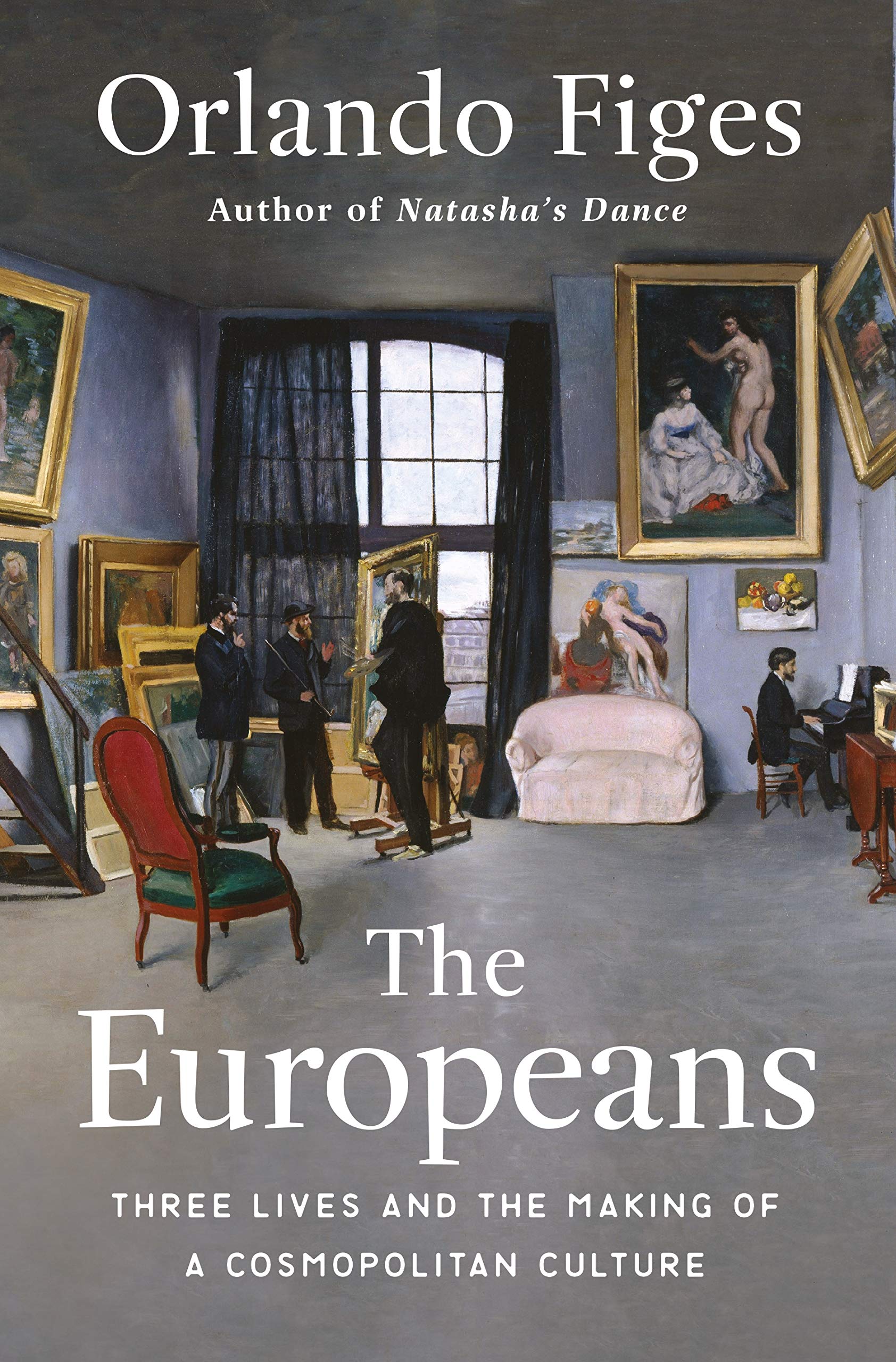
The Europeans: Three Lives And The Making Of A Cosmopolitan Culture
Sold by Ergodebooks, an authorized reseller.
Returns accepted within 30 days | support@ergodebooks.com
Shipping Information
- Free Standard Shipping — United States only
- Processing Time: 3–5 business days
- Estimated Delivery: 6–10 business days after dispatch
- Double-boxed, fully insured & discreetly packaged
- Tracking number sent via email once dispatched
Returns & Refund
Returns accepted within 30 days of delivery.
Damaged or Defective Item
Free return shipping + replacement or full refund
Wrong Item Received
Free return shipping + replacement or full refund
Change of Mind
Return shipping at customer's expense · 25% restocking fee applies
Payment Option

From The Master Of Historical Narrative (Financial Times), A Dazzling, Richly Detailed, Panoramic Workthe First To Document The Genesis Of A Continentwide European Culture.The Nineteenth Century In Europe Was A Time Of Unprecedented Artistic Achievement. It Was Also The First Age Of Cultural Globalizationan Epoch When Mass Communications And Highspeed Rail Travel Brought Europe Together, Overcoming The Barriers Of Nationalism And Facilitating The Development Of A Truly European Canon Of Artistic, Musical, And Literary Works. By 1900, The Same Books Were Being Read Across The Continent, The Same Paintings Reproduced, The Same Music Played In Homes And Heard In Concert Halls, The Same Operas Performed In All The Major Theatres.Drawing From A Wealth Of Documents, Letters, And Other Archival Materials, Acclaimed Historian Orlando Figes Examines The Interplay Of Money And Art That Made This Unification Possible. At The Center Of The Book Is A Poignant Love Triangle: The Russian Writer Ivan Turgenev; The Spanish Prima Donna Pauline Viardot, With Whom Turgenev Had A Long And Intimate Relationship; And Her Husband Louis Viardot, An Art Critic, Theater Manager, And Republican Activist. Together, Turgenev And The Viardots Acted As A Kind Of European Cultural Exchangethey Either Knew Or Crossed Paths With Delacroix, Berlioz, Chopin, Brahms, Liszt, The Schumanns, Hugo, Flaubert, Dickens, And Dostoyevsky, Among Many Other Towering Figures.As Figes Observes, Nearly All Of Civilizations Great Advances Have Come During Periods Of Heightened Cosmopolitanismwhen People, Ideas, And Artistic Creations Circulate Freely Between Nations. Vivid And Insightful, The Europeans Shows How Such Cosmopolitan Ferment Shaped Artistic Traditions That Came To Dominate World Culture.
⚠️ WARNING (California Proposition 65):
This product may contain chemicals known to the State of California to cause cancer, birth defects, or other reproductive harm.
For more information, please visit www.P65Warnings.ca.gov.
- Q: How many pages does the book have? A: The book has five hundred ninety-two pages. It offers a comprehensive look at European culture in the nineteenth century.
- Q: What is the binding type of this book? A: This book is hardcover. The hardcover binding provides durability and a premium feel.
- Q: What are the dimensions of the book? A: The book measures six point three eight inches in length, one point four six inches in width, and nine point six one inches in height. These dimensions make it a standard-sized hardcover.
- Q: Who is the author of this book? A: The author is Orlando Figes. He is a renowned historian known for his detailed narratives on European history.
- Q: What genre does this book belong to? A: This book belongs to the historical narrative genre. It documents the cultural history of Europe during the nineteenth century.
- Q: How do I read this book? A: You can read this book by simply opening it and following the text. It is suitable for anyone interested in European history and culture.
- Q: Is this book suitable for young readers? A: This book is likely best for adults and older teens. Its complex themes and historical context may be challenging for younger readers.
- Q: What themes are explored in this book? A: The book explores themes of cultural globalization, artistic achievement, and historical narratives. It illustrates the interconnectedness of European artists and thinkers.
- Q: Can this book be used for research? A: Yes, this book can be used for research. It draws on a wealth of archival materials and offers insights into European cultural history.
- Q: How should I store this book? A: Store this book upright on a shelf to maintain its shape. Keep it in a dry area to prevent damage from moisture.
- Q: Is there a specific way to clean this book? A: To clean this book, gently dust the cover and pages with a soft, dry cloth. Avoid using liquids that could damage the paper.
- Q: What if the book arrives damaged? A: If the book arrives damaged, you should contact the seller for a replacement or return. Most sellers have a return policy for damaged items.
- Q: Does this book have any adult themes? A: Yes, the book contains adult themes related to relationships and historical context. It discusses complex human interactions and cultural issues.
- Q: Is this book a good gift for history enthusiasts? A: Yes, this book makes an excellent gift for history enthusiasts. Its in-depth exploration of European culture will appeal to those interested in history.
- Q: What makes this book unique? A: This book is unique for its panoramic view of a continent-wide European culture during the nineteenth century. It combines historical narrative with cultural analysis.
- Q: What can I expect from the author's writing style? A: You can expect a vivid and insightful writing style from the author. Orlando Figes is known for his engaging narratives and thorough research.