
Title

The Evolution of College English: Literacy Studies from the Puritans to the Postmoderns (Composition, Literacy, and Culture),Used
Sold by Ergodebooks, an authorized reseller.
Returns accepted within 30 days | support@ergodebooks.com
Shipping Information
- Free Standard Shipping — United States only
- Processing Time: 3–5 business days
- Estimated Delivery: 6–10 business days after dispatch
- Double-boxed, fully insured & discreetly packaged
- Tracking number sent via email once dispatched
Returns & Refund
Returns accepted within 30 days of delivery.
Damaged or Defective Item
Free return shipping + replacement or full refund
Wrong Item Received
Free return shipping + replacement or full refund
Change of Mind
Return shipping at customer's expense · 25% restocking fee applies
Payment Option

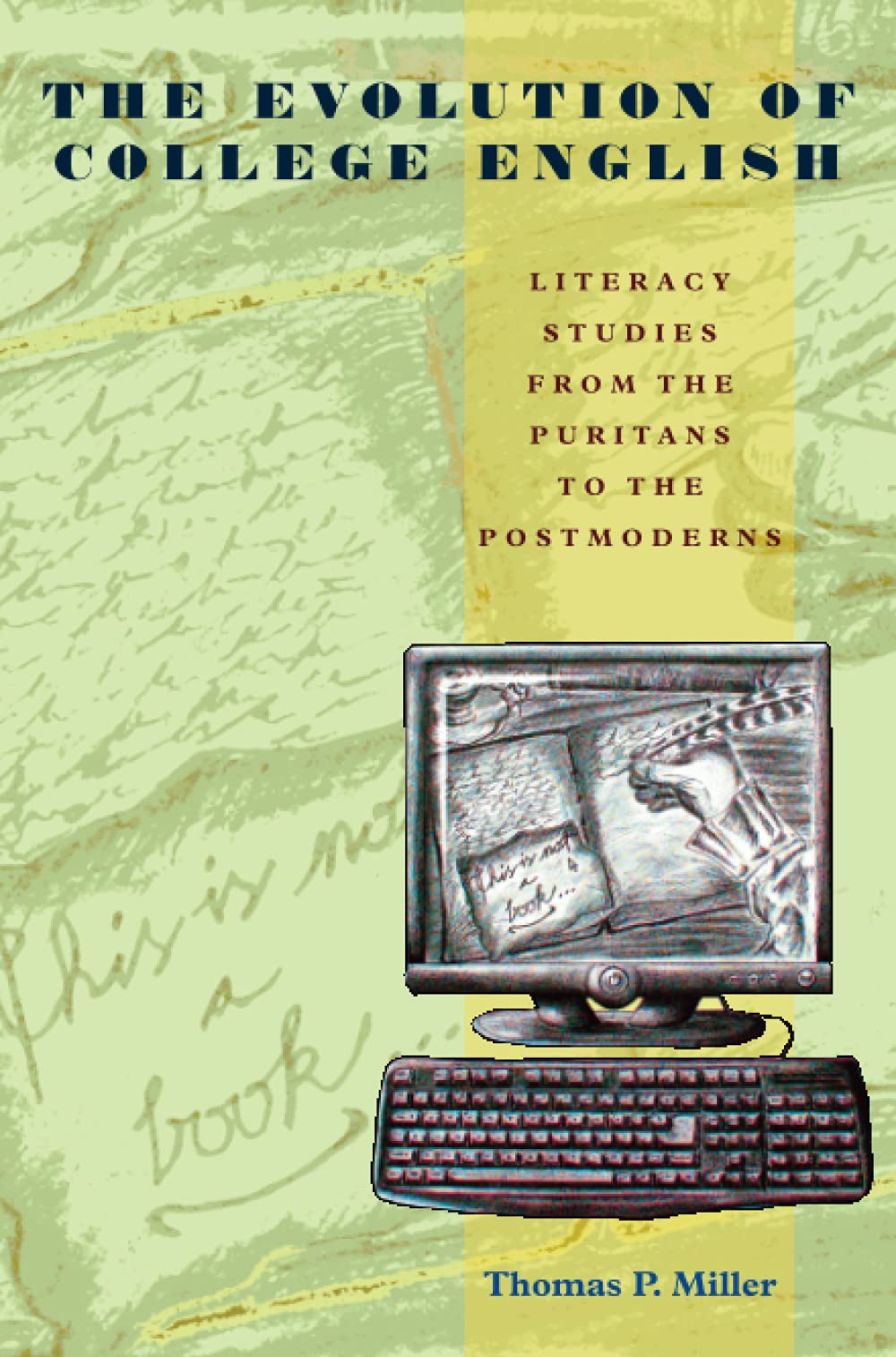
Thomas P. Miller defines college English studies as literacy studies and examines how it has evolved in tandem with broader developments in literacy and the literate. He maps out four corners of English departments: literature, language studies, teacher education, and writing studies. Miller identifies their development with broader changes in the technologies and economies of literacy that have redefined what students write and read, which careers they enter, and how literature represents their experiences and aspirations.Miller locates the origins of college English studies in the colonial transition from a religious to an oratorical conception of literature. A belletristic model of literature emerged in the nineteenth century in response to the spread of the penny press and statemandated schooling. Since literary studies became a common school subject, professors of literature have distanced themselves from teachers of literacy. In the Progressive era, that distinction came to structure scholarly organizations such as the MLA, while NCTE was established to develop more broadly based teacher coalitions. In the twentieth century New Criticism came to provide the operating assumptions for the rise of English departments, until those assumptions became critically overloaded with the crash of majors and jobs that began in 1970s and continues today.For models that will help the discipline respond to such challenges, Miller looks to comprehensive departments of English that value studies of teaching, writing, and language as well as literature. According to Miller, departments in more broadly based institutions have the potential to redress the historical alienation of English departments from their institutional base in work with literacy. Such departments have a potentially quite expansive articulation apparatus. Many are engaged with writing at work in public life, with schools and public agencies, with access issues, and with media, ethnic, and cultural studies. With the privatization of higher education, such pragmatic engagements become vital to sustaining a civic vision of English studies and the humanities generally.
⚠️ WARNING (California Proposition 65):
This product may contain chemicals known to the State of California to cause cancer, birth defects, or other reproductive harm.
For more information, please visit www.P65Warnings.ca.gov.