If you have any questions, you are always welcome to contact us. We'll get back to you as soon as possible, withing 24 hours on weekdays.
Customer service
All questions about your order, return and delivery must be sent to our customer service team by e-mail at yourstore@yourdomain.com
Sale & Press
If you are interested in selling our products, need more information about our brand or wish to make a collaboration, please contact us at press@yourdomain.com
Help
If you have any questions, you are always welcome to contact us. We'll get back to you as soon as possible, withing 24 hours on weekdays.
Customer service
All questions about your order, return and delivery must be sent to our customer service team by e-mail at yourstore@yourdomain.com
Sale & Press
If you are interested in selling our products, need more information about our brand or wish to make a collaboration, please contact us at press@yourdomain.com
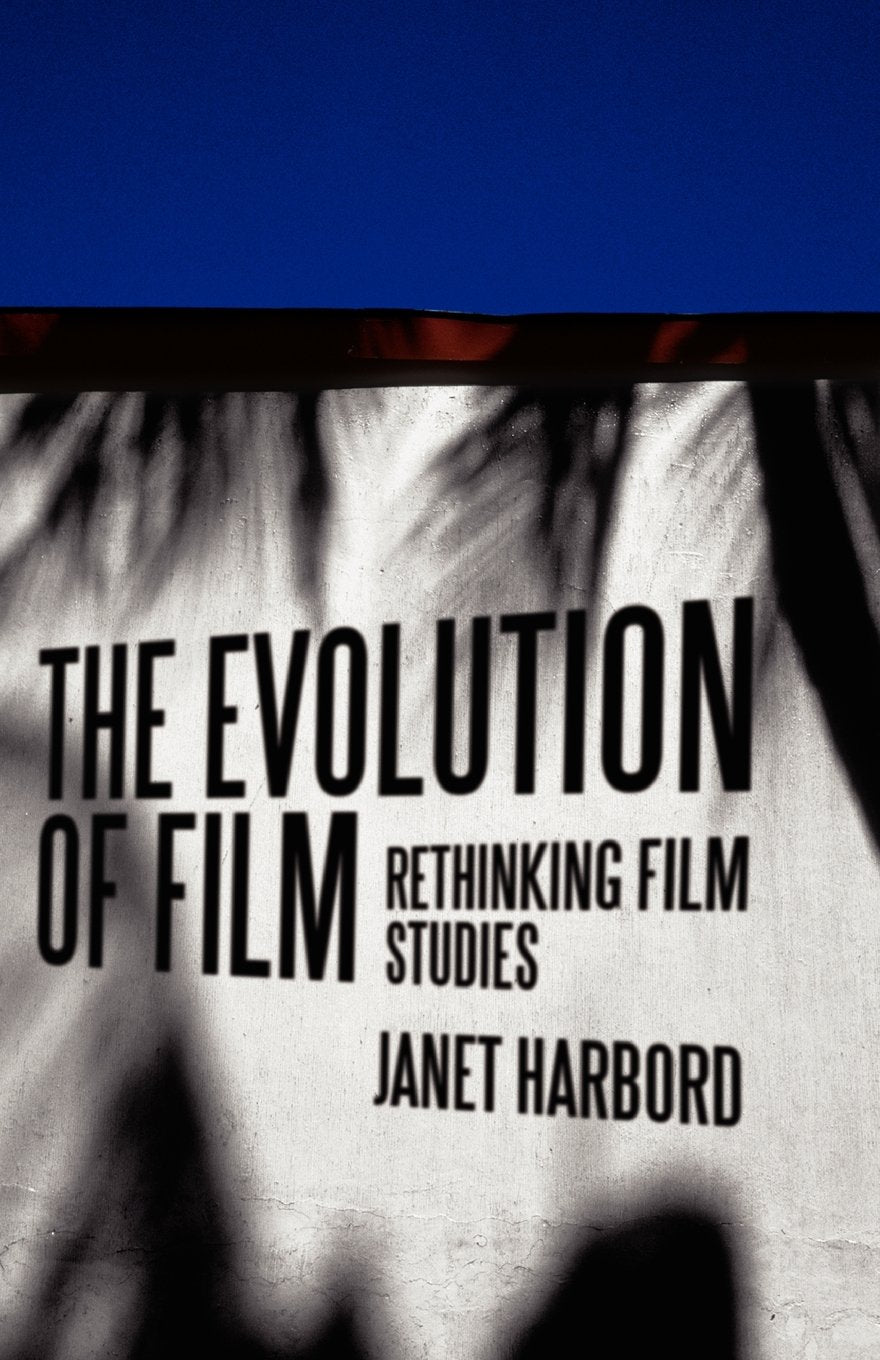
How Is Film Changing? What Does It Do, And What Do We Do With It? This Book Examines The Reasons Why We Should Be Studying Film In The Twentyfirst Century, Connecting Debates From Philosophy, Anthropology And New Media With Historical Concerns Of Film Studies.When The Common Frameworks For Studying Film The Nation, Identity, Representation, Hollywood Industry Have Ceased To Yield Explanatory Power, How Do We Conceive Of Films Doings? In This Fresh And Innovative Book, Janet Harbord Argues That Film No Longer Represents Or Stands In For Particular Cultures, But Acts Isomorphically, Showing Us How The World Works. Film Here Is Action, Energy, Matter, Moving Across Space To Forge Connections, Provide Encounters, And Create Schisms In Our Knowledge Of Others. The Book Brings Together Key Thinkers Of The Contemporary In An Innovative Exchange Between Film And Theory. Marc Auges Concept Of Nonplace Is Brought To Bear On, And Disrupt, The Category Of National Cinema. Manuel Delandas Notion Of Morphogenesis Frames An Understanding Of Film As A Process Of Constant Evolution, In Which The Terms Of Change Are Immanent To Matter Itself. And The Concept Of Inertia, From Paul Virilios Work, Allows Us To Comprehend The Different Energies Of Film. Arguing That There Is No Higher Position From Which To View The Present, Either In Theory Or In Film, We Move Blindly And Yet With Faith, Discovering The Present Frame By Frame. The Evolution Of Film Demonstrates How This Is An Intangible Yet Critical Medium In The Contemporary, Mediating Relationships To Place, Technology And Thought Itself.The Evolution Of Film Will Be Essential Reading For Students And Scholars Of Film At All Levels.
⚠️ WARNING (California Proposition 65):
This product may contain chemicals known to the State of California to cause cancer,
birth defects, or other reproductive harm.
Q: What is the page count of The Evolution of Film?A: The Evolution of Film has two hundred pages. This makes it a comprehensive read for those interested in contemporary film studies.
Q: What are the dimensions of The Evolution of Film?A: The book measures five point four inches in length, zero point six nine inches in width, and eight point five inches in height. These dimensions make it portable and easy to handle.
Q: What type of binding does The Evolution of Film have?A: The Evolution of Film has a paperback binding. This type of binding is lightweight and flexible, suitable for casual reading.
Q: How should I approach reading The Evolution of Film?A: Read The Evolution of Film with an open mind to contemporary film theories. It's suitable for students and scholars of all levels.
Q: Is The Evolution of Film suitable for beginners?A: Yes, The Evolution of Film is suitable for beginners. It connects complex theories in an accessible way, making it ideal for new learners.
Q: Can I use The Evolution of Film in my film studies course?A: Yes, The Evolution of Film is an essential reading for film studies courses. It examines critical contemporary issues in film theory.
Q: How should I store The Evolution of Film?A: Store The Evolution of Film in a cool, dry place, away from direct sunlight. This will help preserve its quality and readability.
Q: Is The Evolution of Film safe to handle?A: Yes, The Evolution of Film is safe to handle. It contains no hazardous materials and is designed for educational purposes.
Q: How can I clean The Evolution of Film?A: To clean The Evolution of Film, gently wipe the cover with a dry cloth. Avoid using liquids that could damage the binding or pages.
Q: What makes The Evolution of Film unique?A: The Evolution of Film uniquely blends film theory with contemporary discussions. It challenges traditional views of film representation.
Q: How does The Evolution of Film compare to other film theory books?A: The Evolution of Film offers a fresh perspective compared to traditional film theory books. It emphasizes film's role in contemporary culture and thought.
Q: Who is the author of The Evolution of Film?A: The author of The Evolution of Film is Janet Harbord. She is known for her innovative contributions to film theory.
Q: What topics are covered in The Evolution of Film?A: The Evolution of Film covers topics like film's relationship to culture, technology, and contemporary theory. It connects various academic discussions.
Q: Are there any notable theories discussed in The Evolution of Film?A: Yes, notable theories from thinkers like Marc Auge and Manuel DeLanda are discussed. Their ideas frame modern film's evolving nature.
Q: What genre does The Evolution of Film belong to?A: The Evolution of Film belongs to the Performing Arts genre. It specifically focuses on film studies and theory.
Q: Can The Evolution of Film help with my research?A: Yes, The Evolution of Film can significantly aid your research. It provides insights into contemporary film discussions and theories.
For MAP (Minimum Advertised Price) violations and Intellectual Property (IP) or Trademark concerns, please contact:
support@ergodebooks.com
⚠️ California Proposition 65 Warning: Some products sold on this website may expose you to chemicals known to the State of California to cause cancer, birth defects, or other reproductive harm. For more information, visit www.P65Warnings.ca.gov.