If you have any questions, you are always welcome to contact us. We'll get back to you as soon as possible, withing 24 hours on weekdays.
Customer service
All questions about your order, return and delivery must be sent to our customer service team by e-mail at yourstore@yourdomain.com
Sale & Press
If you are interested in selling our products, need more information about our brand or wish to make a collaboration, please contact us at press@yourdomain.com
Help
If you have any questions, you are always welcome to contact us. We'll get back to you as soon as possible, withing 24 hours on weekdays.
Customer service
All questions about your order, return and delivery must be sent to our customer service team by e-mail at yourstore@yourdomain.com
Sale & Press
If you are interested in selling our products, need more information about our brand or wish to make a collaboration, please contact us at press@yourdomain.com
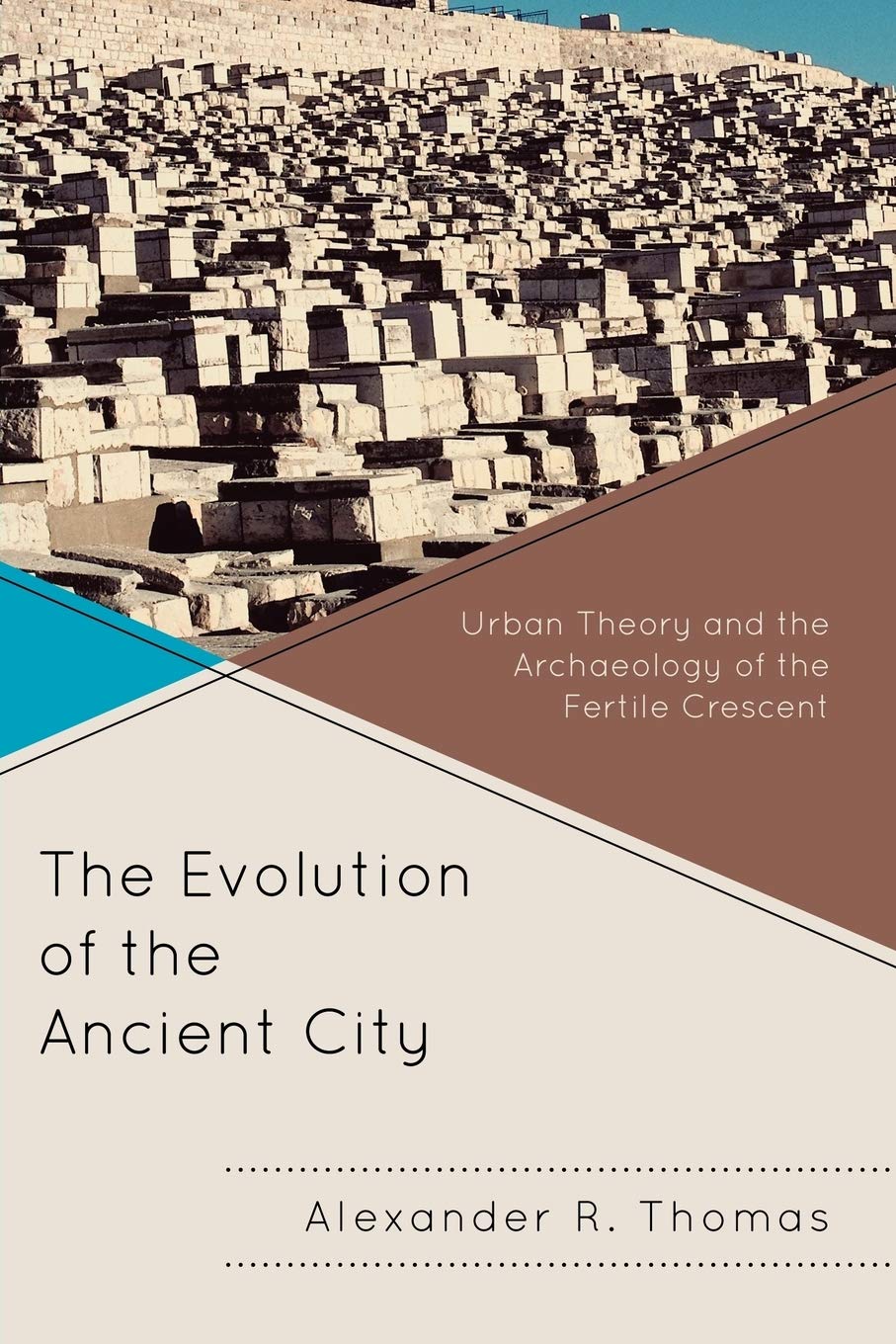
Urban theory and archaeology merge to create a readable discussion of how ancient cities came to be. Although many consider our modern social ills to be the consequence of Capitalism, many urban problems are traceable to preCapitalist times and thus are more related to Urbanization. Ancient cities shared many characteristics with modern cities. For instance, the ancient cities of Rome and Carthage at the time of Christ had population densities approaching that of Manhattan Island today. The Canaanites, fifteen hundred years before, lived in cities oriented toward trade and dependent upon mass production of such items as wine, olive oil, and the pottery to contain such goods. Over three thousand years before the Common Era, the city of Uruk was part of a larger "global system" that resembled in its own way the globalization that we know today. Cities first arose in Mesopotamia about 5,500 years ago, but for 5,500 years before the rise of cities the small agricultural village was the most complex form of human social organizationclearly there was nothing inevitable about the city. The Evolution of the Ancient City explores what we can learn of modern cities by tracing the development of ancient cities.
⚠️ WARNING (California Proposition 65):
This product may contain chemicals known to the State of California to cause cancer,
birth defects, or other reproductive harm.
For MAP (Minimum Advertised Price) violations and Intellectual Property (IP) or Trademark concerns, please contact:
support@ergodebooks.com
⚠️ California Proposition 65 Warning: Some products sold on this website may expose you to chemicals known to the State of California to cause cancer, birth defects, or other reproductive harm. For more information, visit www.P65Warnings.ca.gov.