
Title
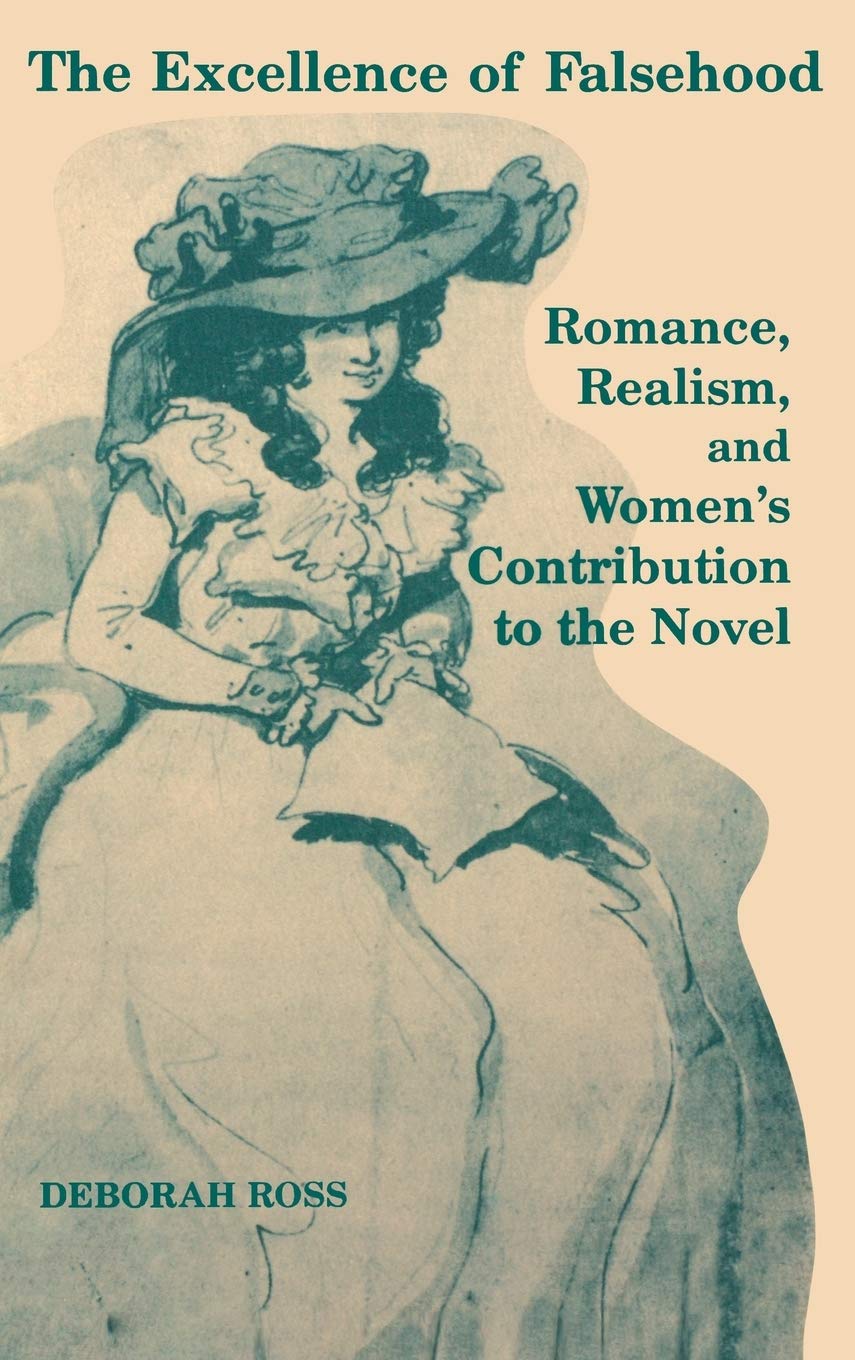
The Excellence Of Falsehood: Romance, Realism, And Women'S Contribution To The Novel,Used
Sold by Ergodebooks, an authorized reseller.
Returns accepted within 30 days | support@ergodebooks.com
Shipping Information
- Free Standard Shipping — United States only
- Processing Time: 3–5 business days
- Estimated Delivery: 6–10 business days after dispatch
- Double-boxed, fully insured & discreetly packaged
- Tracking number sent via email once dispatched
Returns & Refund
Returns accepted within 30 days of delivery.
Damaged or Defective Item
Free return shipping + replacement or full refund
Wrong Item Received
Free return shipping + replacement or full refund
Change of Mind
Return shipping at customer's expense · 25% restocking fee applies
Payment Option

The only excellence of falsehood . . . is its resemblance to truth,' proclaims a clergyman in Charlotte Lennox's The Female Quixote. He argues that romances are bad art; novels, he implies, are better. This clergyman's remarksrepeating what literary and moral authorities had been saying since the late seventeenth centuryare central to Deborah Ross's discussion of romance characteristics in English women's novels.Aphra Behn, Delariviere Manley, Eliza Haywood, Charlotte Lennox, Fanny Burney, Ann Radcliffe, and Jane Austen did not take the clergyman's advice to heart. To them, the 'falsehood' of romance was by no means selfevident, nor was the superior 'excellence' of the novel. In theory, many of them accepted the distinction, but their works combined aspects of the romance and the novel in ways that brought them into conflict with the critical establishment.The texts discussed here illustrate a process of development both in the novel and in the conditions of women's lives. Tensions between romance and realism enabled women writers to question official versions of reality and to measure life against a romance ideal. By altering readers' perceptions and judgments, these authors gradually altered the reality that novels 'resemble' and set up new combinations of romance and realism for future writers.This giveandtake between fiction and life is seen most dramatically in the way a 'romantic' notion gradually comes to be treated in novels as both 'real' and right. Ross follows one such notionthat women have matrimonial preferencesto the point where romance and reality merge.Ross's study brings to light an important part of the history of the novel not yet incorporated in theories and histories of the genre.
⚠️ WARNING (California Proposition 65):
This product may contain chemicals known to the State of California to cause cancer, birth defects, or other reproductive harm.
For more information, please visit www.P65Warnings.ca.gov.