If you have any questions, you are always welcome to contact us. We'll get back to you as soon as possible, withing 24 hours on weekdays.
Customer service
All questions about your order, return and delivery must be sent to our customer service team by e-mail at yourstore@yourdomain.com
Sale & Press
If you are interested in selling our products, need more information about our brand or wish to make a collaboration, please contact us at press@yourdomain.com
Help
If you have any questions, you are always welcome to contact us. We'll get back to you as soon as possible, withing 24 hours on weekdays.
Customer service
All questions about your order, return and delivery must be sent to our customer service team by e-mail at yourstore@yourdomain.com
Sale & Press
If you are interested in selling our products, need more information about our brand or wish to make a collaboration, please contact us at press@yourdomain.com
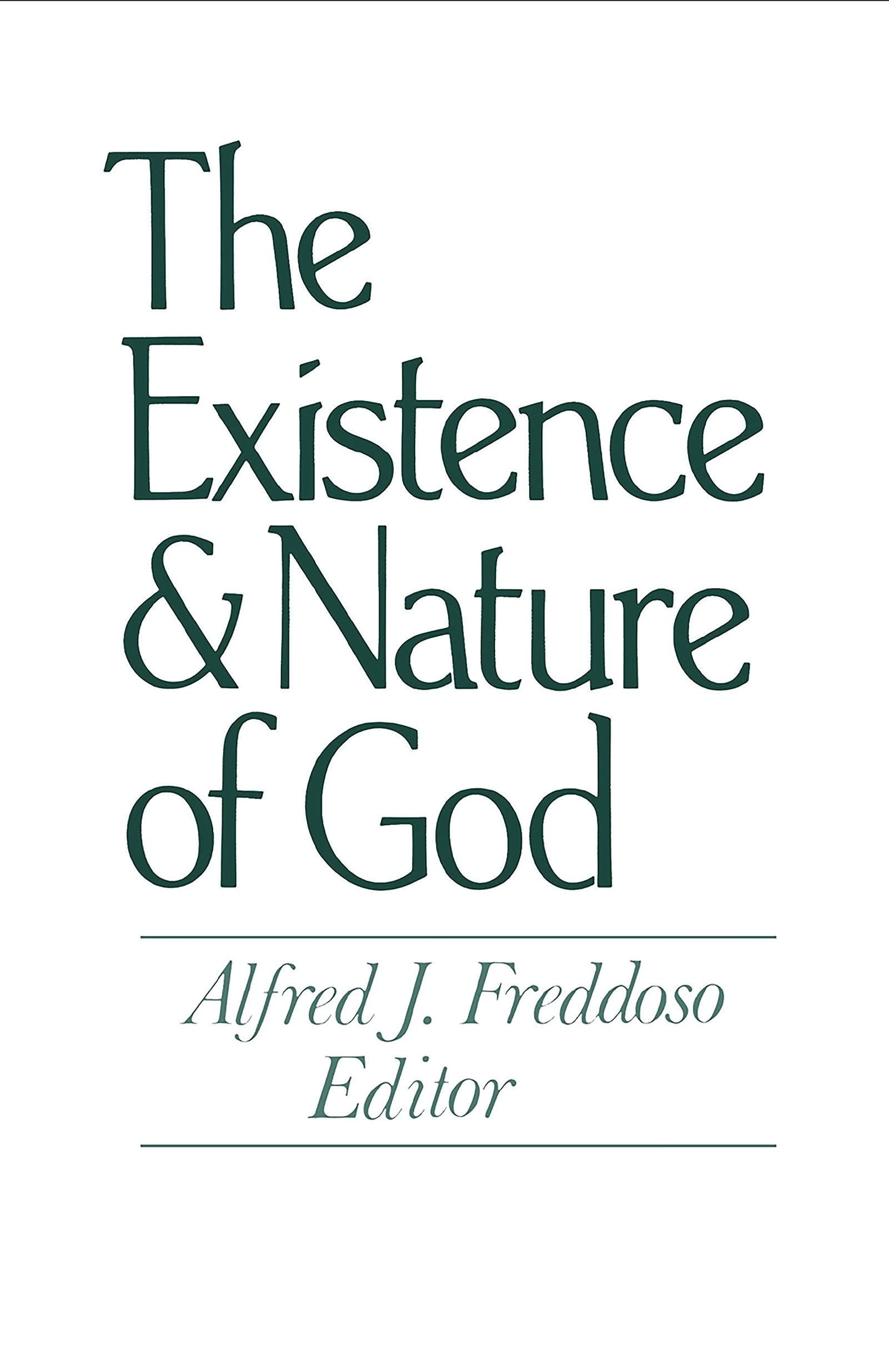
These original essays offer evidence that a growing number of AngloAmerican philosophers are finding in the classical discussion of God's existence and nature fertile sources for the critical reflection on issues in the philosophy of religion.Nelson Pike challenges Aquinas' claim that God is not responsible for evil and shows how the rejection of this claim bears on the proem of evil. Richard Swinburne defends the classical Christian understanding of heaven and hell, arguing that it is both philosophically plausible and compatible with the Christian conception of God's goodness. Philip Quinn proposes a defensible version of the classical assertion that God's conserving a creature in existence is tantamount to his continuously creating that creature.Thomas Flint and Alfred Freddoso present an analysis of omnipotence which they claim to be both philosophically adequate and consonant with the orthodox Christian belief that God is both omnipotent and incapable of sinning. James Ross's main purpose is to dislodge the assumption that God's power is properly and adequately thought of as the power to cause (or bring about or actualize) states of affairs. Clement Dore reinterprets and defends Descartes' often maligned Fifth Meditation argument for God's existence. finally, Mark Jordan explicates the metaphysical foundations of Aquinas' doctrine of divine names.
⚠️ WARNING (California Proposition 65):
This product may contain chemicals known to the State of California to cause cancer,
birth defects, or other reproductive harm.
For MAP (Minimum Advertised Price) violations and Intellectual Property (IP) or Trademark concerns, please contact:
support@ergodebooks.com
⚠️ California Proposition 65 Warning: Some products sold on this website may expose you to chemicals known to the State of California to cause cancer, birth defects, or other reproductive harm. For more information, visit www.P65Warnings.ca.gov.