
Title
The Expert Versus The Object: Judging Fakes And False Attributions In The Visual Arts,Used
Sold by Ergodebooks, an authorized reseller.
Returns accepted within 30 days | support@ergodebooks.com
Shipping Information
- Free Standard Shipping — United States only
- Processing Time: 3–5 business days
- Estimated Delivery: 6–10 business days after dispatch
- Double-boxed, fully insured & discreetly packaged
- Tracking number sent via email once dispatched
Returns & Refund
Returns accepted within 30 days of delivery.
Damaged or Defective Item
Free return shipping + replacement or full refund
Wrong Item Received
Free return shipping + replacement or full refund
Change of Mind
Return shipping at customer's expense · 25% restocking fee applies
Payment Option

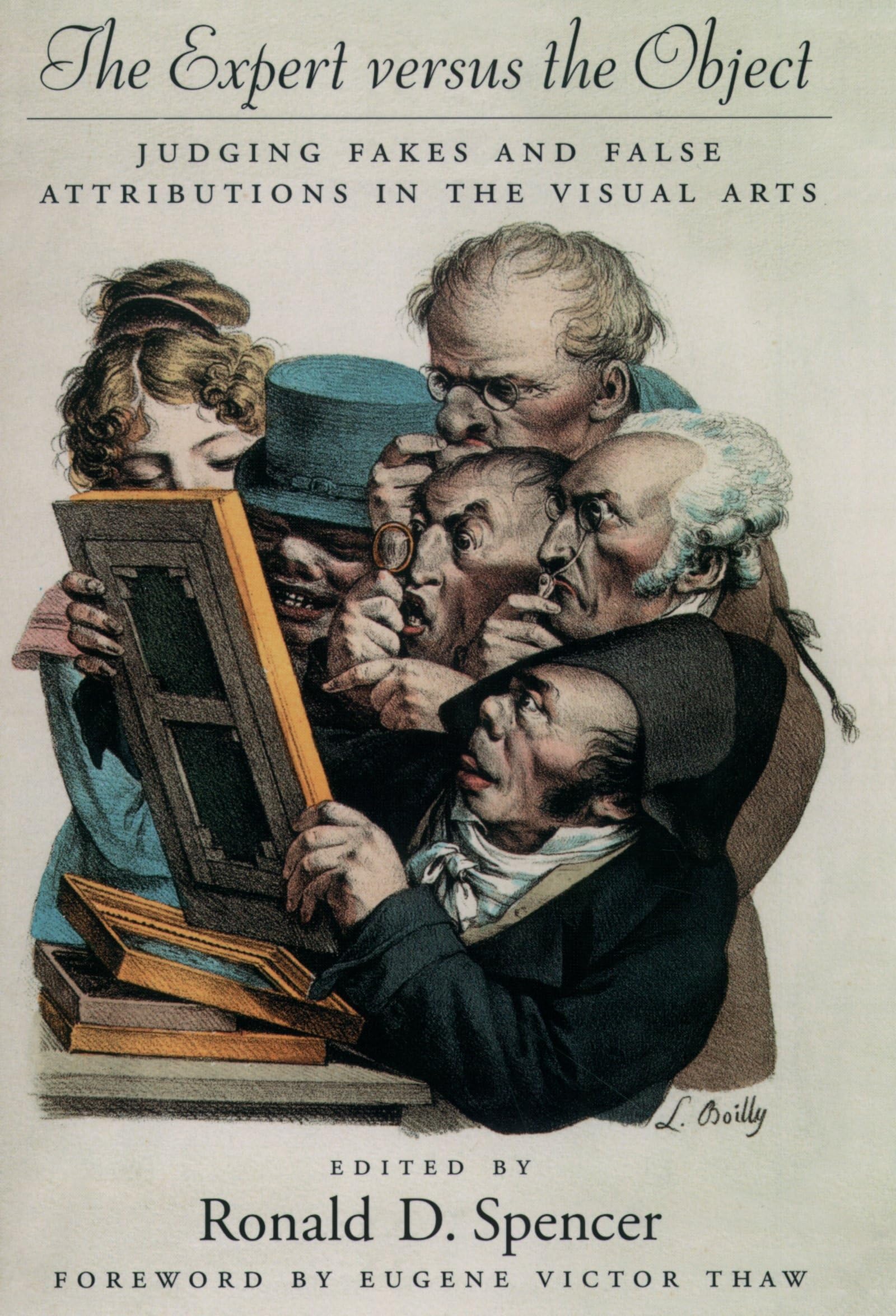
The Authenticity Of Visual Art Has Always Commanded The Attention Of Experts, Dealers, Collectors, And The Artminded Public. Is It 'Real' Or 'Original' Is A Way Of Asking What Am I Buying? What Do I Own? What Am I Looking At? And Today More Sophisticated Questions Are Being Asked: How Is Authenticity Determined And What Weight Does This Determination Have In Court? This Book Of Essays Proposes To Answer Those Questions.Three Lines Of Inquiry Are Basic To Determining Authenticity: A Connoisseur'S Evaluation, Historical Documentation Or Provenance, And Scientific Testing. A Connoisseur Is An Expert Who Evaluates The 'Rightness' Of A Work Based On Much Careful Scrutiny Of Many Works By An Artist And Familiarity With That Artist'S Usual Manner Of Working With Materials. In Determining Provenance, A Researcher Traces The Physical Object From The Artist Through A Chain Of Ownership To The Present Ownersimple Enough In Concept, Though It Assumes That The Documentation Is Not Faked Or Inaccurate. The Goal Is To Ensure That The Object Is The Same One That Left The Artist'S Hand. Scientific Testing, Although Sometimes Useful, Is Often Longer On Promise Than Result. Dating Paint Or Wood Samples, For Instance, Can Show That A Painting Was Made In Rembrandt'S Lifetime, But It Cannot Prove That It Is By Rembrandt'S Hand. If Expert Opinion Is Divided, And Large Sums Of Money Are Involved, A Dispute Over Authenticity May End Up In A Court Of Law, Where Evaluation Of Expert Opinion Evidence Can Be Problematic.The Essays In This Book Clarify The Nature Of The Methods Outlined Above And Explain, Based On Case Law, The Present Status Of Authentication Issues In Court. Contributors Include Experts From Christie'S, London; Sotheby'S, New York; And The Former Director Of The Frick Collection; As Well As Leading Art Historians And Art Dealers; An Art Conservator; A Forensic Graphologist; A Philanthropist And Collector; And A Specialist In French Art Law. Their Collective Knowledge On Issues Of Authenticity Will Be Invaluable For Anyone Interested In The World Of Visual Art.
⚠️ WARNING (California Proposition 65):
This product may contain chemicals known to the State of California to cause cancer, birth defects, or other reproductive harm.
For more information, please visit www.P65Warnings.ca.gov.