
Title
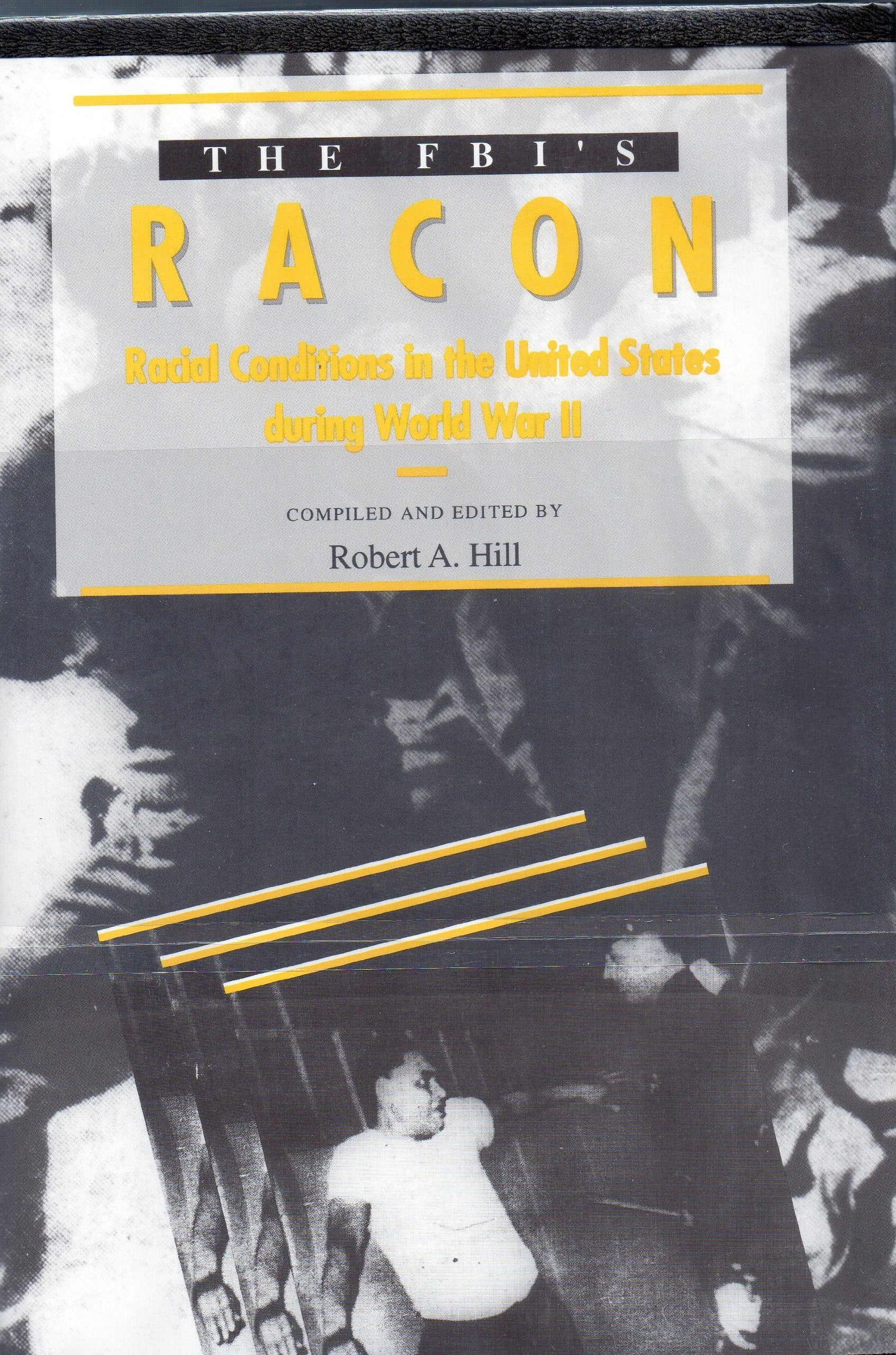
The FBI's Racon: Racial Conditions in the United States during World War II,Used
Sold by Ergodebooks, an authorized reseller.
Returns accepted within 30 days | support@ergodebooks.com
Shipping Information
- Free Standard Shipping — United States only
- Processing Time: 3–5 business days
- Estimated Delivery: 6–10 business days after dispatch
- Double-boxed, fully insured & discreetly packaged
- Tracking number sent via email once dispatched
Returns & Refund
Returns accepted within 30 days of delivery.
Damaged or Defective Item
Free return shipping + replacement or full refund
Wrong Item Received
Free return shipping + replacement or full refund
Change of Mind
Return shipping at customer's expense · 25% restocking fee applies
Payment Option

During World War II, an unprecedented wave of militant black protest and activism swept through the United States, setting the stage for the civil rights movements of the 1950s and 1960s.FBI director J. Edgar Hoover perceived this racial turmoil as a threat not only to wartime mobilization efforts but also to the preservation of a stable, segregated society, and ordered an extensive, nationwide investigation and surveillance of African Americans 'to determine why particular Negroes or groups of Negroes or Negro organizations have evidenced sentiments for other 'dark races' (mainly Japanese) or by what forces they were influenced to adopt in certain instances unAmerican ideologies.' The unstated objective of the inquiry, known by the secret code name RACON, was to neutralize the black challenge to the institutional grip of Jim Crow.This landmark volume publishes for the first time the FBI's Survey of Racial Conditions in the United States, an exhaustive report that grew out of the larger internal security investigation.Compiled from reports submitted by fiftysix field units in all areas of the country, the document chronicles in rich detail the experience of African Americans during World War II.A comprehensive introduction by Robert A. Hill situates the FBI report within a political, cultural, and literary context to provide a fuller understanding of this sparsely documented period in AfricanAmerican history and its relationship to civil rights movements in the postwar era. Hill also explores the ways in which the investigation and surveillance of blacks during World War II illuminate the FBI's wartime evolution from an investigative body to a political counterintelligence agency.
⚠️ WARNING (California Proposition 65):
This product may contain chemicals known to the State of California to cause cancer, birth defects, or other reproductive harm.
For more information, please visit www.P65Warnings.ca.gov.