
Title
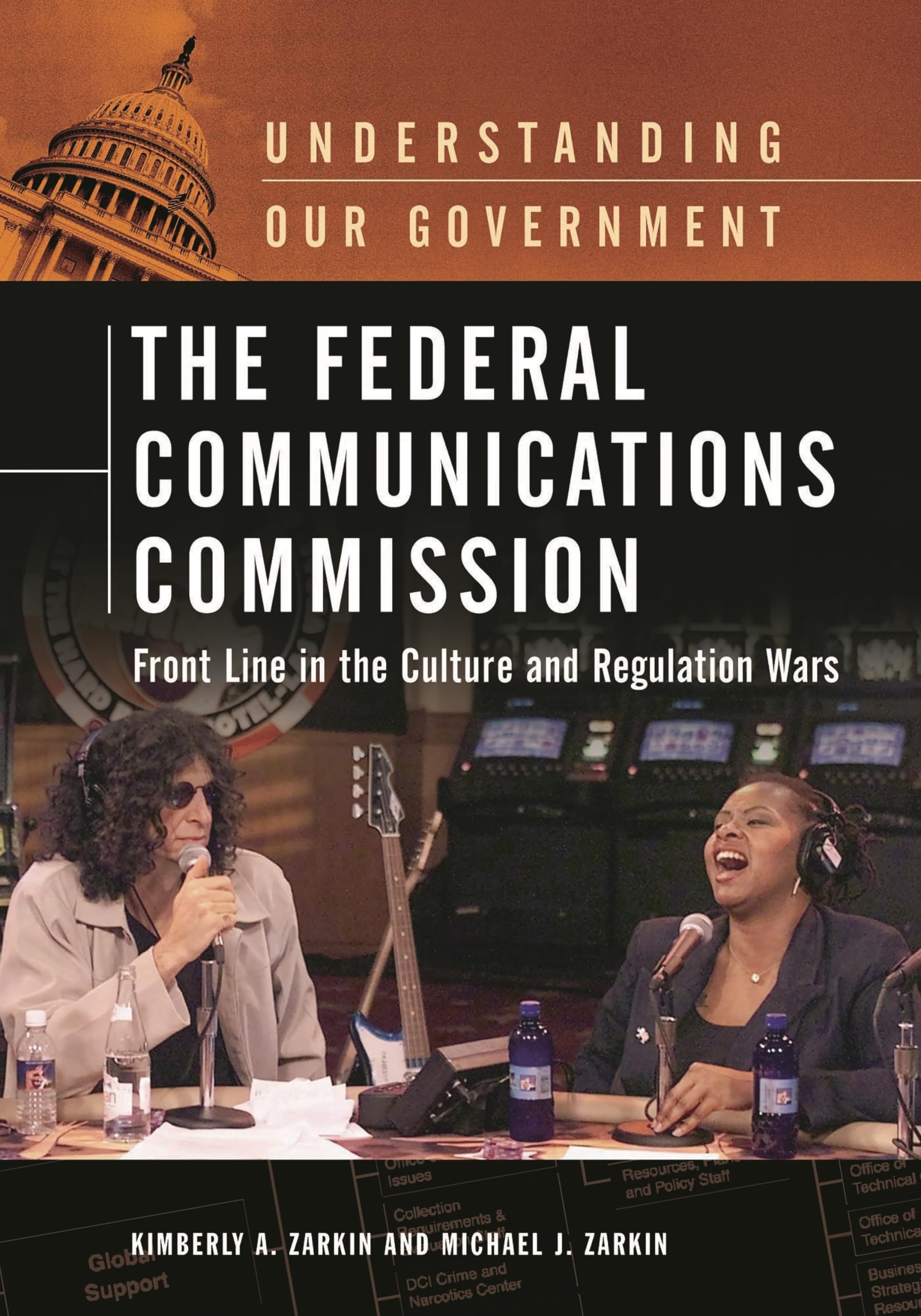
The Federal Communications Commission: Front Line in the Culture and Regulation Wars (Understanding Our Government),New
Sold by Ergodebooks, an authorized reseller.
Returns accepted within 30 days | support@ergodebooks.com
Shipping Information
- Free Standard Shipping — United States only
- Processing Time: 3–5 business days
- Estimated Delivery: 6–10 business days after dispatch
- Double-boxed, fully insured & discreetly packaged
- Tracking number sent via email once dispatched
Returns & Refund
Returns accepted within 30 days of delivery.
Damaged or Defective Item
Free return shipping + replacement or full refund
Wrong Item Received
Free return shipping + replacement or full refund
Change of Mind
Return shipping at customer's expense · 25% restocking fee applies
Payment Option

In its more than seventy years of existence, the Federal Communications Commission (FCC) has emerged as one of the most important and controversial agencies in the United States government. As an independent regulatory commission, the FCC possesses an expansive legislative mandate to formulate a national communications policy. Using its authority, the FCC has done such farreaching things as setting rates for long distance telephone service, creating rules and standards for broadcast programming, writing regulations for providers of cable television and information services, and, in recent decades, introducing competition in virtually every sector of the communications industry. As the FCC has gone about implementing its statutory mandate, it has frequently been the target of criticism by interest groups and members of Congress. Even these critics, however, would have a hard time imagining how a task as complicated as the formulation of a national telecommunications policy could be accomplished without the expertise and full time attention of an agency such as the FCC.The first work to integrate detailed information on the FCC as an organizationits politics, key policy initiatives, and legal issuesoffers students, researchers, and general readers alike easy access to an array of topics related to the FCC. Chapters discuss the agency's origins, organization, programs, controversies, notable people, and significant court cases. Topics include the Telecommunications Act of 1996, Michael Powell, Verizon Communications Inc. v. FCC, the Fairness Doctrine, telephonecable competition, and indecency. A comprehensive annotated bibliography lists sources for further research.
⚠️ WARNING (California Proposition 65):
This product may contain chemicals known to the State of California to cause cancer, birth defects, or other reproductive harm.
For more information, please visit www.P65Warnings.ca.gov.