If you have any questions, you are always welcome to contact us. We'll get back to you as soon as possible, withing 24 hours on weekdays.
Customer service
All questions about your order, return and delivery must be sent to our customer service team by e-mail at yourstore@yourdomain.com
Sale & Press
If you are interested in selling our products, need more information about our brand or wish to make a collaboration, please contact us at press@yourdomain.com
Help
If you have any questions, you are always welcome to contact us. We'll get back to you as soon as possible, withing 24 hours on weekdays.
Customer service
All questions about your order, return and delivery must be sent to our customer service team by e-mail at yourstore@yourdomain.com
Sale & Press
If you are interested in selling our products, need more information about our brand or wish to make a collaboration, please contact us at press@yourdomain.com
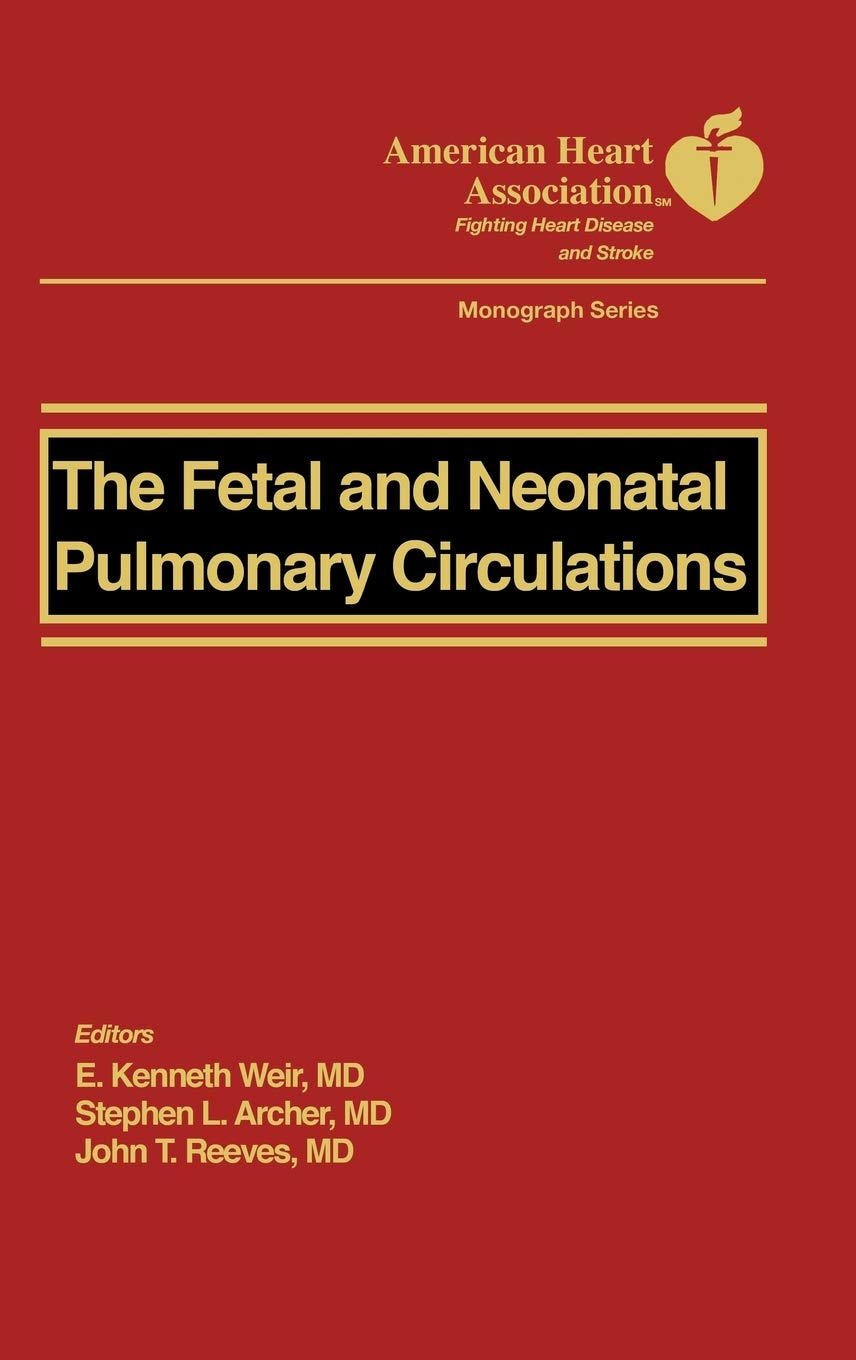
Birth is a sudden, traumatic transition of environments. Once the placental oxygen supply ceases, the foetus has only minutes to establish pulmonary oxygen transport, which requires not only inflation of the lungs, but also sudden and sustained changes in the lung circulation. Not long ago, research in this field was largely restricted to morphology and physiology. Now the powerful new tools of cellular and molecular biology have begun toshed light on the physiological processes in the developing lung and its supporting vasculature.In 22 chapters, three main sections explore lung growth and development, vascular cell growth and differentiation, and the mechanisms of hemodynamic control in the neonate; extensive illustrations give a comprehensive picture of pulmonary circulatory development. Factors controlling vasculogenesis and angiogenesis are described by the scientists who pioneered the field. Similarly, the intracellular signaling cascades that determine proliferation or growth inhibition of fibroblasts, smooth muscle cells, and endothelial cells are also presented in an understandable manner. Finally, the role ofsubstances, such as nitric oxide and endothelin, that control the hemodynamics of the fetal and neonatal circulations are discussed in detail, particularly in relation to the changes occurring at birth.This book will inform basic scientists as well as the clinician and student, and should be of particular interest to pediatric cardiologists, pulmonary medicine physicians, and vascular biologists.
⚠️ WARNING (California Proposition 65):
This product may contain chemicals known to the State of California to cause cancer,
birth defects, or other reproductive harm.
For MAP (Minimum Advertised Price) violations and Intellectual Property (IP) or Trademark concerns, please contact:
support@ergodebooks.com
⚠️ California Proposition 65 Warning: Some products sold on this website may expose you to chemicals known to the State of California to cause cancer, birth defects, or other reproductive harm. For more information, visit www.P65Warnings.ca.gov.