
Title
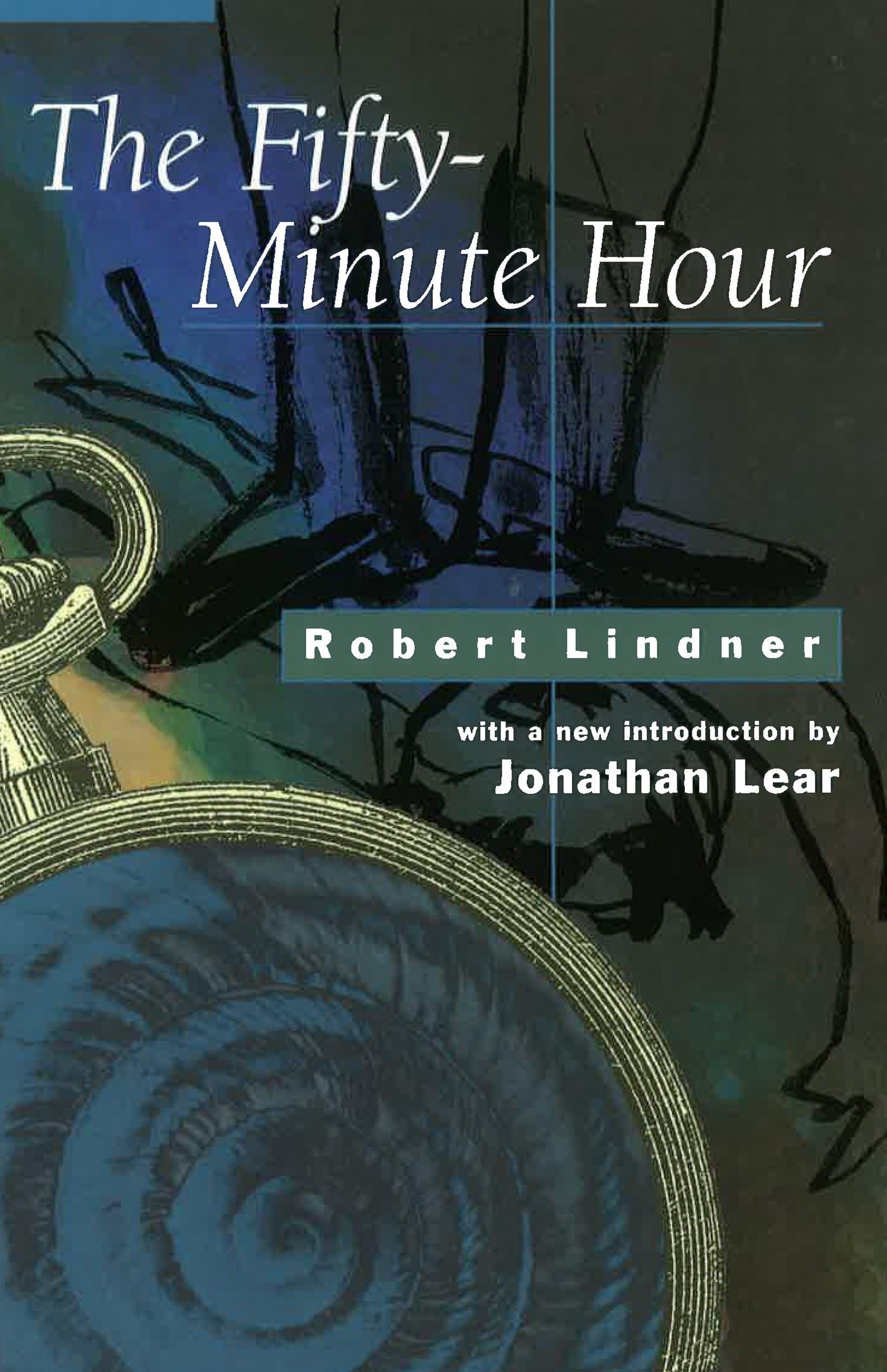
The FiftyMinute Hour,Used
Sold by Ergodebooks, an authorized reseller.
Returns accepted within 30 days | support@ergodebooks.com
Shipping Information
- Free Standard Shipping — United States only
- Processing Time: 3–5 business days
- Estimated Delivery: 6–10 business days after dispatch
- Double-boxed, fully insured & discreetly packaged
- Tracking number sent via email once dispatched
Returns & Refund
Returns accepted within 30 days of delivery.
Damaged or Defective Item
Free return shipping + replacement or full refund
Wrong Item Received
Free return shipping + replacement or full refund
Change of Mind
Return shipping at customer's expense · 25% restocking fee applies
Payment Option

A fascinating mixture of traditional psychoanalytic thinking with clinical strategies that even today would be considered creative and controversial, The FiftyMinute Hour has never failed to capture the imagination. . . . No students education in psychotherapy is complete without reading this book. Decades after its original publication, it still stands as a pioneering landmark in the history of psychotherapy.John Suler
⚠️ WARNING (California Proposition 65):
This product may contain chemicals known to the State of California to cause cancer, birth defects, or other reproductive harm.
For more information, please visit www.P65Warnings.ca.gov.
- Q: How many pages does The Fifty-Minute Hour have? A: The Fifty-Minute Hour has three hundred twelve pages. This length allows for an in-depth exploration of psychoanalytic techniques and strategies.
- Q: What is the binding type of this book? A: The binding type of this book is paperback. This makes it lightweight and easy to carry for on-the-go reading.
- Q: What are the dimensions of The Fifty-Minute Hour? A: The dimensions are five and a half inches long, zero point six five inches wide, and eight and a half inches tall. These measurements make it a standard-sized book that fits comfortably on most bookshelves.
- Q: Who is the author of The Fifty-Minute Hour? A: The author of The Fifty-Minute Hour is Robert Lindner. He provides a unique perspective on the field of psychotherapy.
- Q: What genre does The Fifty-Minute Hour fall under? A: The Fifty-Minute Hour falls under the genre of psychoanalysis. It delves into complex psychological themes and clinical strategies.
- Q: Is The Fifty-Minute Hour suitable for beginners in psychotherapy? A: Yes, The Fifty-Minute Hour is suitable for beginners. It presents traditional psychoanalytic concepts in an accessible way, making it ideal for students.
- Q: How should I read The Fifty-Minute Hour for best understanding? A: To understand The Fifty-Minute Hour best, read it slowly and take notes. Engaging with the text through reflection enhances comprehension of its complex themes.
- Q: Is this book appropriate for a general audience? A: Yes, this book is appropriate for a general audience interested in psychology. Its discussions are enlightening for anyone curious about psychoanalytic practices.
- Q: How do I care for my paperback copy of The Fifty-Minute Hour? A: To care for your paperback copy, store it upright and away from direct sunlight. This prevents fading and helps maintain its condition.
- Q: Can I clean The Fifty-Minute Hour if it gets dirty? A: Yes, you can clean it gently with a soft, dry cloth. Avoid using water or cleaning products that may damage the cover.
- Q: What should I do if The Fifty-Minute Hour arrives damaged? A: If The Fifty-Minute Hour arrives damaged, contact the seller for a return or exchange. Most retailers offer customer support for such issues.
- Q: Is there a warranty for The Fifty-Minute Hour? A: No, there is typically no warranty for books like The Fifty-Minute Hour. However, check the retailer's return policy for any guarantees.
- Q: What makes The Fifty-Minute Hour a classic in psychotherapy? A: The Fifty-Minute Hour is a classic due to its innovative blend of traditional psychoanalysis and contemporary clinical strategies. Its lasting impact on psychotherapy education is significant.
- Q: How does this book compare to other psychotherapy texts? A: This book is unique compared to other psychotherapy texts because it combines theoretical insights with practical strategies, making it both educational and applicable.
- Q: Is The Fifty-Minute Hour a required reading for psychology students? A: Yes, it is often considered required reading for psychology students. Its insights into psychotherapy are foundational for understanding the field.
- Q: What themes are explored in The Fifty-Minute Hour? A: The themes explored include traditional psychoanalytic thinking, clinical creativity, and the evolution of psychotherapy practices. These topics are relevant to both students and professionals.