
Title
The Final Mission: Preserving Nasa'S Apollo Sites,Used
Sold by Ergodebooks, an authorized reseller.
Returns accepted within 30 days | support@ergodebooks.com
Shipping Information
- Free Standard Shipping — United States only
- Processing Time: 3–5 business days
- Estimated Delivery: 6–10 business days after dispatch
- Double-boxed, fully insured & discreetly packaged
- Tracking number sent via email once dispatched
Returns & Refund
Returns accepted within 30 days of delivery.
Damaged or Defective Item
Free return shipping + replacement or full refund
Wrong Item Received
Free return shipping + replacement or full refund
Change of Mind
Return shipping at customer's expense · 25% restocking fee applies
Payment Option

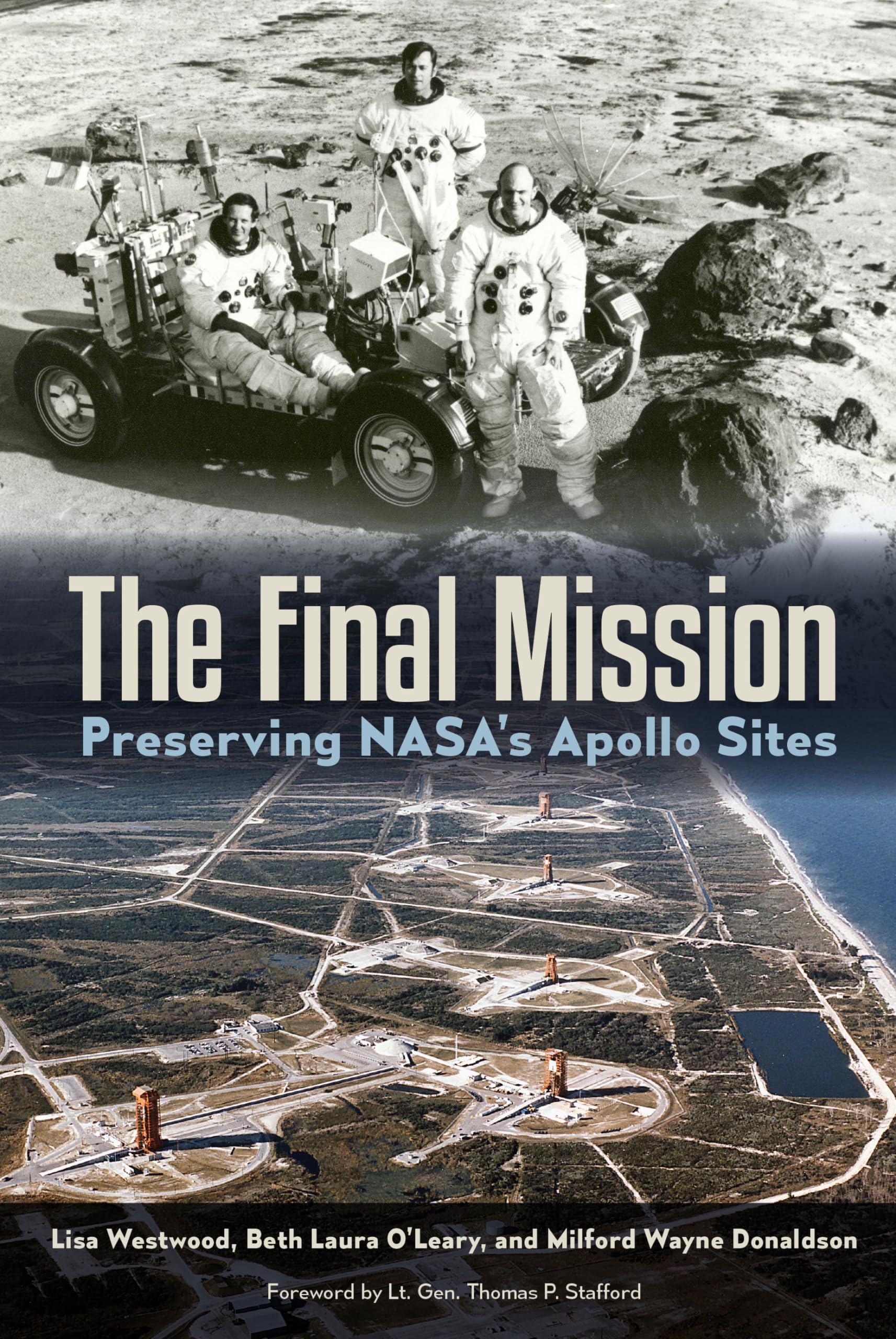
The world will always remember Neil Armstrong and Buzz Aldrin for their first steps on the moon, yet few today hold in respect the sites that made these and other astronauts' journeys possible. Across the American landscape and on the lunar surface, many facilities and landing sites linked to the Apollo program remain unprotected. Some have already crumbled to ruinssilent and abandoned. The Final Mission explores these key locations, reframes the footprints and items left on the moon as cultural resources, and calls for the urgent preservation of this space heritage.Beginning with the initiation of the space race, the authors trace the history of research, training, and manufacturing centers that contributed to lunar exploration. From the early rocket test stands of Robert H. Goddard, to astronaut instruction at Meteor Crater, to human and primate experiments at Holloman Air Force Base, innumerable places proved critical to developing the equipment for exploring space, surviving the journey, and returning to Earth safely. Despite their significance to the history of human spaceflight, many landmarks face the threat of damage or destruction. Most alarming is that the rapid advancement of technology renders stations obsolete long before they are deemed worthy of preservation. Moreover, the lack of precedence for protecting offplanet artifacts poses a unique challenge for space archaeology. While NASA's 2011 recommendations for spacefarers suggest avoiding close proximity to this cultural landscape, the authors advocate stronger routes of preservation and present models for safeguarding space historyboth on Earth's surface and beyond.
⚠️ WARNING (California Proposition 65):
This product may contain chemicals known to the State of California to cause cancer, birth defects, or other reproductive harm.
For more information, please visit www.P65Warnings.ca.gov.