
Title
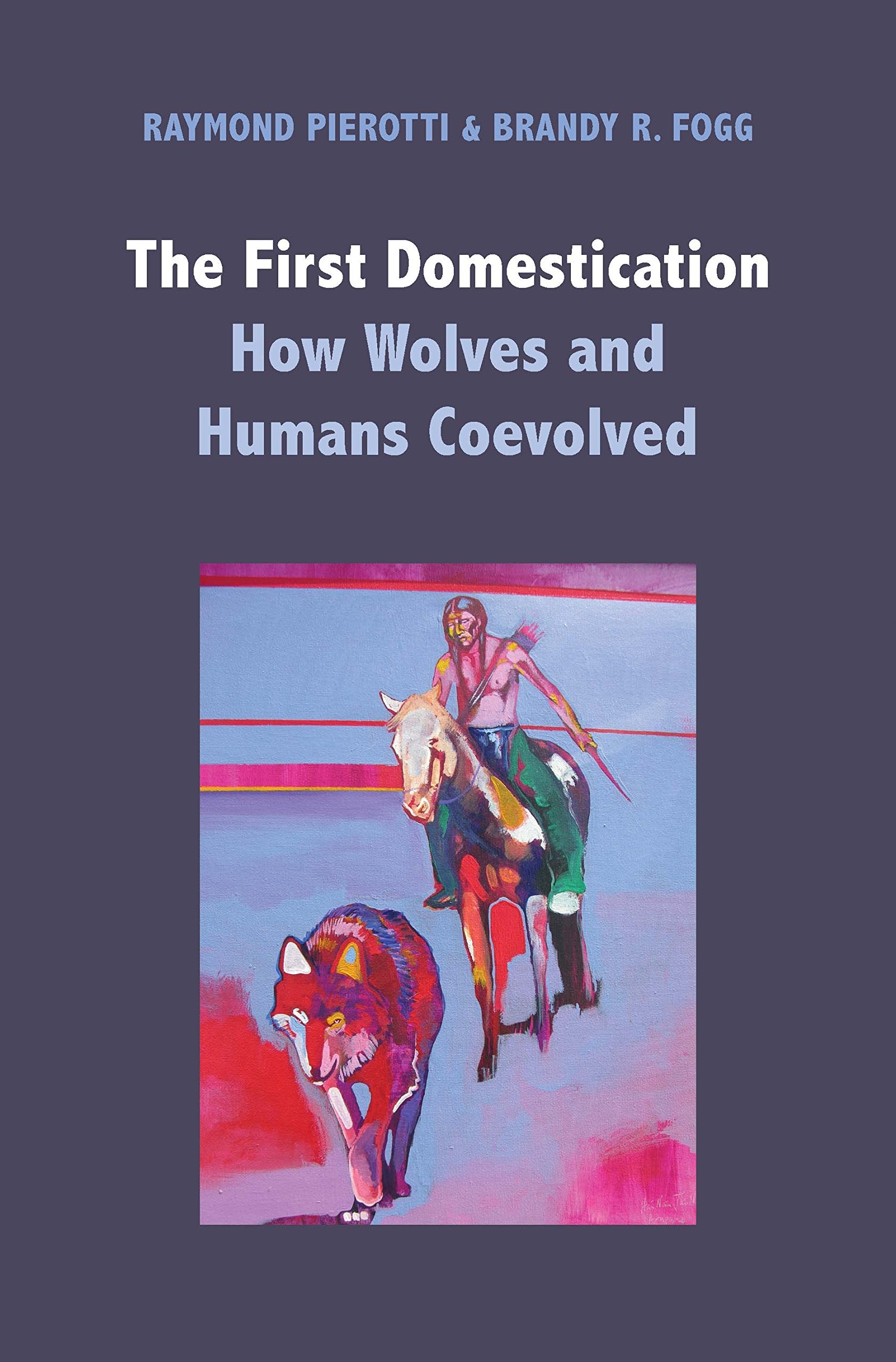
The First Domestication: How Wolves and Humans Coevolved,Used
Sold by Ergodebooks, an authorized reseller.
Returns accepted within 30 days | support@ergodebooks.com
Shipping Information
- Free Standard Shipping — United States only
- Processing Time: 3–5 business days
- Estimated Delivery: 6–10 business days after dispatch
- Double-boxed, fully insured & discreetly packaged
- Tracking number sent via email once dispatched
Returns & Refund
Returns accepted within 30 days of delivery.
Damaged or Defective Item
Free return shipping + replacement or full refund
Wrong Item Received
Free return shipping + replacement or full refund
Change of Mind
Return shipping at customer's expense · 25% restocking fee applies
Payment Option

A riveting look at how dog and humans became best friends, and the first history of dog domestication to include insights from indigenous peoplesIn this fascinating book, Raymond Pierotti and Brandy Fogg change the narrative about how wolves became dogs and in turn, humanitys best friend. Rather than describe how people mastered and tamed an aggressive, dangerous species, the authors describe coevolution and mutualism. Wolves, particularly ones shunned by their packs, most likely initiated the relationship with Paleolithic humans, forming bonds built on mutually recognized skills and emotional capacity.This interdisciplinary study draws on sources from evolutionary biology as well as tribal and indigenous histories to produce an intelligent, insightful, and often unexpected story of cooperative hunting, wolves protecting camps, and wolfhuman companionship. This fascinating assessment is a mustread for anyone interested in human evolution, ecology, animal behavior, anthropology, and the history of canine domestication.
⚠️ WARNING (California Proposition 65):
This product may contain chemicals known to the State of California to cause cancer, birth defects, or other reproductive harm.
For more information, please visit www.P65Warnings.ca.gov.
- Q: What is the main focus of 'The First Domestication'? A: The book explores the coevolution of wolves and humans, detailing how they formed a mutualistic relationship that led to the domestication of dogs.
- Q: Who are the authors of this book? A: The authors are Raymond Pierotti and Brandy Fogg, who provide insights from both evolutionary biology and indigenous histories.
- Q: What unique perspective does this book offer on dog domestication? A: It challenges traditional narratives by emphasizing coevolution and the emotional bonds formed between wolves and early humans.
- Q: How many pages does the book have? A: The book contains 344 pages.
- Q: What is the publication date of 'The First Domestication'? A: The book was published on November 28, 2017.
- Q: What is the binding type of this book? A: The book is available in hardcover binding.
- Q: Is this book suitable for readers interested in animal behavior? A: Yes, it is highly relevant for anyone interested in animal behavior, human evolution, and the history of canine domestication.
- Q: What condition is the book in? A: The book is in new condition.
- Q: Does the book include insights from indigenous cultures? A: Yes, it incorporates perspectives from tribal and indigenous histories regarding the relationship between wolves and humans.
- Q: Is this book appropriate for academic studies? A: Yes, it is a valuable resource for academic studies in anthropology, ecology, and evolutionary biology.