If you have any questions, you are always welcome to contact us. We'll get back to you as soon as possible, withing 24 hours on weekdays.
Customer service
All questions about your order, return and delivery must be sent to our customer service team by e-mail at yourstore@yourdomain.com
Sale & Press
If you are interested in selling our products, need more information about our brand or wish to make a collaboration, please contact us at press@yourdomain.com
Help
If you have any questions, you are always welcome to contact us. We'll get back to you as soon as possible, withing 24 hours on weekdays.
Customer service
All questions about your order, return and delivery must be sent to our customer service team by e-mail at yourstore@yourdomain.com
Sale & Press
If you are interested in selling our products, need more information about our brand or wish to make a collaboration, please contact us at press@yourdomain.com
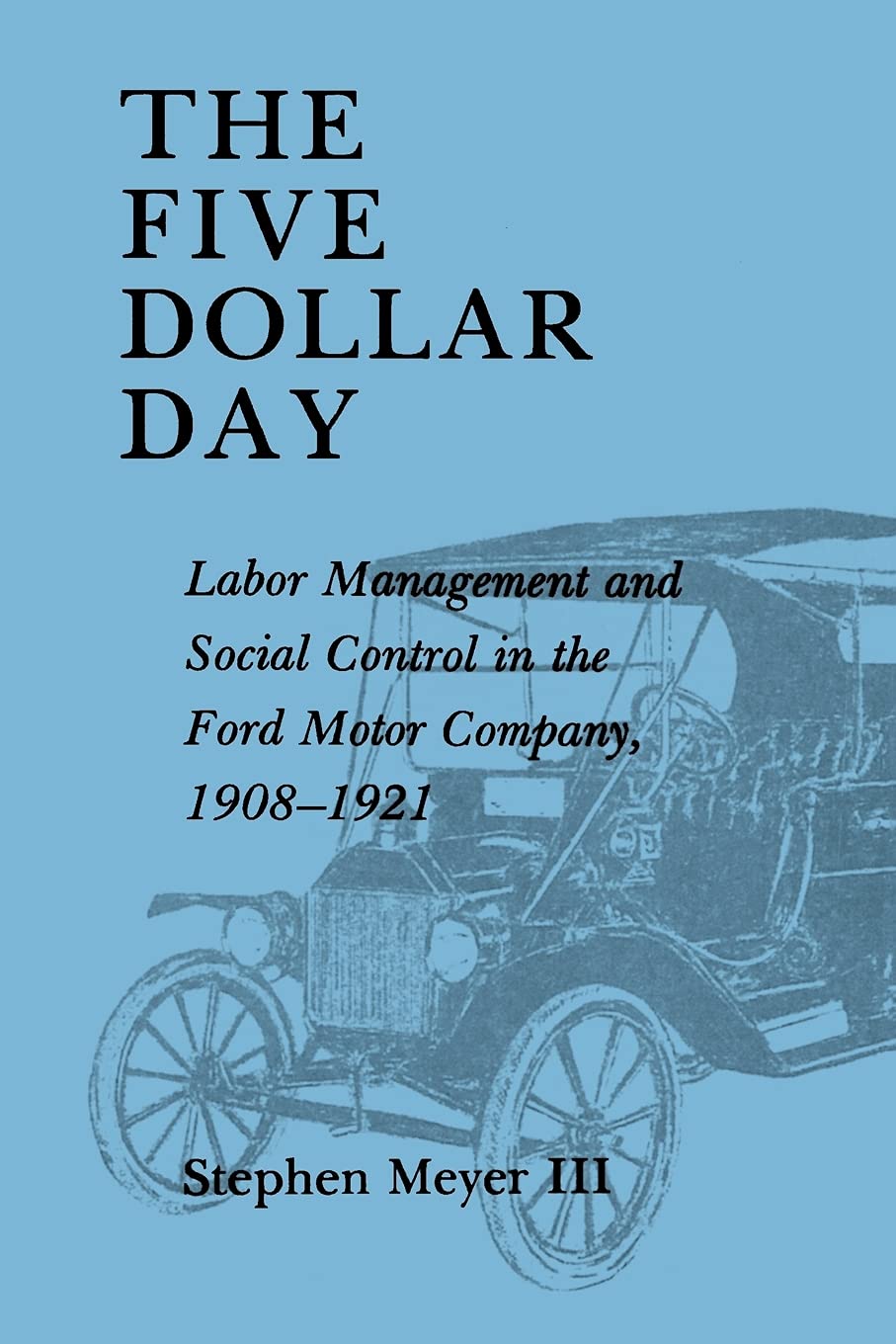
In 1903, Henry Ford founded the Ford Motor Company in a small Detroit workshop. Five years later, he introduced the Model T and met with extraordinary commercial success. Between 1910 and 1914, he developed mass production and made the conveyor a symbol of the autoindustrial age. Then, in 1914, Ford acquired an overnight reputation as humanitarian, philanthropist and social reformer; and simultaneously infuriated the business community and stunned social reformers with his announcement of the outrageous Five Dollar Day.More than simply highwage policy, the Five Dollar Day attempted to solve attitudinal and behavioral problems with an effort to change the workers domestic environment. Half of the five dollars represented wages and the other half was called profitswhich the worker received only when he met specific standards of efficiency and home life that accorded with the ideal of an American way of life which the company felt was the basis for industrial efficiency.The unique and shortlived Ford program did not succeed, yet its significance as an early managerial strategy goes beyond the boundaries of success or failure. The Ford Motor Company was uniquely situated in the historical evolution of labor management and industrial technology, and this readable study of that evolution, which highlights the Ford workers, is a chapter in the larger history of labor and work in America.
⚠️ WARNING (California Proposition 65):
This product may contain chemicals known to the State of California to cause cancer,
birth defects, or other reproductive harm.
For MAP (Minimum Advertised Price) violations and Intellectual Property (IP) or Trademark concerns, please contact:
support@ergodebooks.com
⚠️ California Proposition 65 Warning: Some products sold on this website may expose you to chemicals known to the State of California to cause cancer, birth defects, or other reproductive harm. For more information, visit www.P65Warnings.ca.gov.