If you have any questions, you are always welcome to contact us. We'll get back to you as soon as possible, withing 24 hours on weekdays.
Customer service
All questions about your order, return and delivery must be sent to our customer service team by e-mail at yourstore@yourdomain.com
Sale & Press
If you are interested in selling our products, need more information about our brand or wish to make a collaboration, please contact us at press@yourdomain.com
Help
If you have any questions, you are always welcome to contact us. We'll get back to you as soon as possible, withing 24 hours on weekdays.
Customer service
All questions about your order, return and delivery must be sent to our customer service team by e-mail at yourstore@yourdomain.com
Sale & Press
If you are interested in selling our products, need more information about our brand or wish to make a collaboration, please contact us at press@yourdomain.com
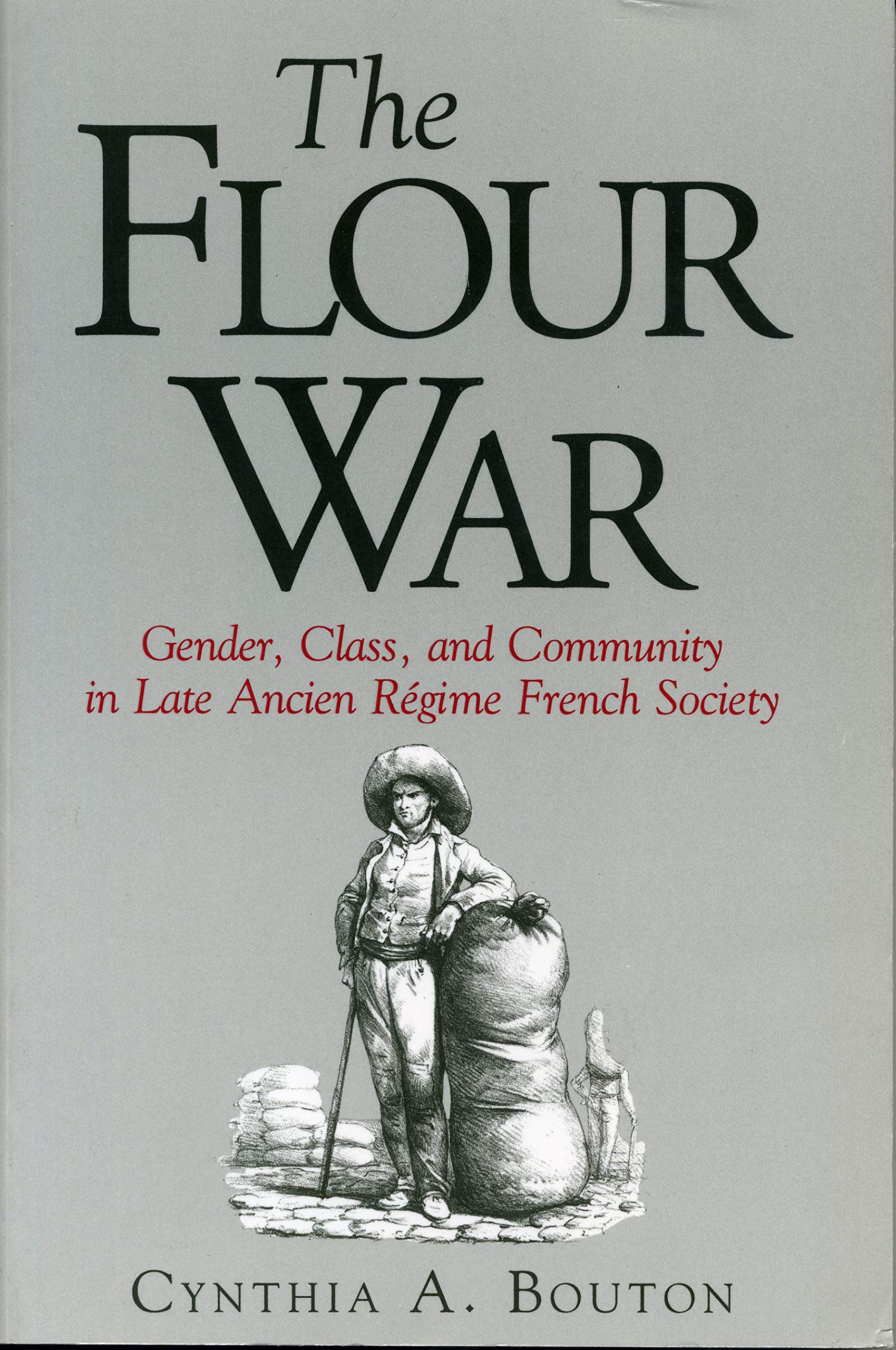
In the spring of 1775, a series of food riots shook the villages and countryside around Paris. For decades France had been free of famine, but the fall grain harvest had been meager, and the government of the newly crowned King Louis XVI had issued an untimely edict allowing the free commerce of grain within the kingdom. Prices skyrocketed, causing riots to break out in April, first in the market town of BeaumontsurOise, then sweeping through the Paris Basin for the next three weeks. Known as the Flour War, or the guerre des farines, these riots are the subject of Cynthia Bouton's fascinating study.Building upon French historian George Rud's pioneering work, Bouton identifies communities of participants and victims in the Flour War, analyzing them according to class, occupation, gender, and location. As typically happened, crowds of common people (menu peuple) confronted those who controlled the grainbakers, merchants, millers, cultivators, and local authorities. Bouton asks why women of the menu peuple were heavily represented in the riots, often assuming crucial roles as instigators and leaders. In most instances, the people did not steal the provisions but forced those they cornered to sell at a price the rioters deemed 'just.' Bouton examines this phenomenon, known as taxation populaire, and considers the growing 'sophistication of purpose' of rioters by placing the Flour War within the larger context of food riots in early modern Europe.
⚠️ WARNING (California Proposition 65):
This product may contain chemicals known to the State of California to cause cancer,
birth defects, or other reproductive harm.
For MAP (Minimum Advertised Price) violations and Intellectual Property (IP) or Trademark concerns, please contact:
support@ergodebooks.com
⚠️ California Proposition 65 Warning: Some products sold on this website may expose you to chemicals known to the State of California to cause cancer, birth defects, or other reproductive harm. For more information, visit www.P65Warnings.ca.gov.