If you have any questions, you are always welcome to contact us. We'll get back to you as soon as possible, withing 24 hours on weekdays.
Customer service
All questions about your order, return and delivery must be sent to our customer service team by e-mail at yourstore@yourdomain.com
Sale & Press
If you are interested in selling our products, need more information about our brand or wish to make a collaboration, please contact us at press@yourdomain.com
Help
If you have any questions, you are always welcome to contact us. We'll get back to you as soon as possible, withing 24 hours on weekdays.
Customer service
All questions about your order, return and delivery must be sent to our customer service team by e-mail at yourstore@yourdomain.com
Sale & Press
If you are interested in selling our products, need more information about our brand or wish to make a collaboration, please contact us at press@yourdomain.com
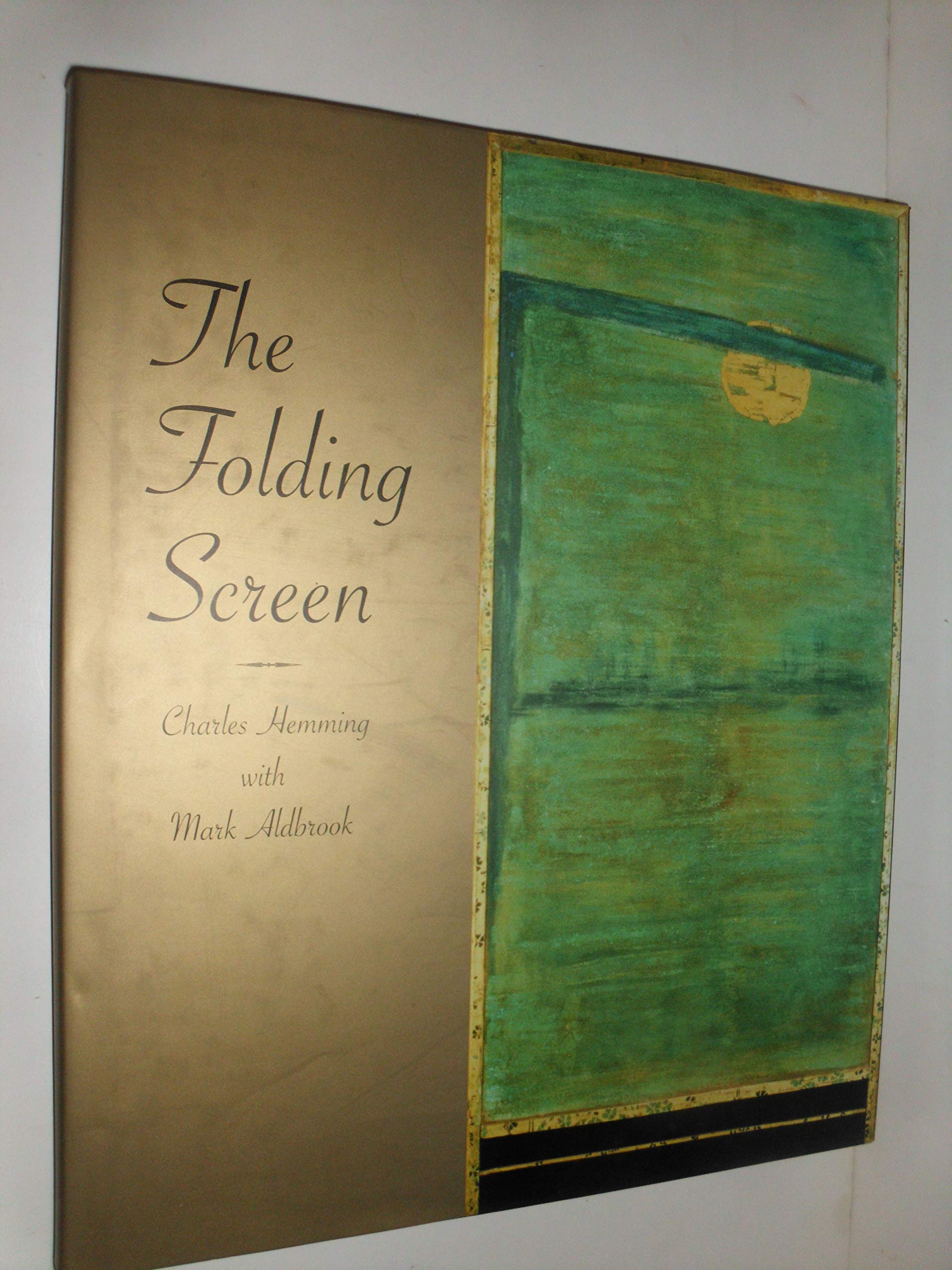
From its simple roots as a room divider, the folding screen has evolved into a wonderful fusion of fine and applied arts. As both a practical object of furniture and a work of fine art, it became a medium that could reflect the changing styles and fashions of art and design. This fascinating study traces the development of the folding its conception in the Orient during the eighth century, to its appropriation by Europeans in the sixteenth century, right up to the current day. With over 150 illustrations, this book depicts the intriguing role of the screen through history.Many leading figures in the world of art and design have adapted the screen as a medium since the turn of the twentieth century, and The Folding Screen is the first book to give due attention to the most recent work in this area. Artists such as Odilon Redon, Josef Hoffmann, and Alphonse Mucha are all featured, as are the pioneering designers Eillen Gray, Donald Deskey, and Charles Eames. The tradition of the screen continues to the present day with the contributions of such artists as Jim Dine, Allen Jones, Danny Lane, and Kenneth Armitage.From the height of the screen's popularity during the seventeenth and eighteenth centuries to its current resurgence in urban lofts and studio apartments, The Folding Screen examines the numerous and changing interpretations of this versatile piece of furniture.
⚠️ WARNING (California Proposition 65):
This product may contain chemicals known to the State of California to cause cancer,
birth defects, or other reproductive harm.
For MAP (Minimum Advertised Price) violations and Intellectual Property (IP) or Trademark concerns, please contact:
support@ergodebooks.com
⚠️ California Proposition 65 Warning: Some products sold on this website may expose you to chemicals known to the State of California to cause cancer, birth defects, or other reproductive harm. For more information, visit www.P65Warnings.ca.gov.