If you have any questions, you are always welcome to contact us. We'll get back to you as soon as possible, withing 24 hours on weekdays.
Customer service
All questions about your order, return and delivery must be sent to our customer service team by e-mail at yourstore@yourdomain.com
Sale & Press
If you are interested in selling our products, need more information about our brand or wish to make a collaboration, please contact us at press@yourdomain.com
Help
If you have any questions, you are always welcome to contact us. We'll get back to you as soon as possible, withing 24 hours on weekdays.
Customer service
All questions about your order, return and delivery must be sent to our customer service team by e-mail at yourstore@yourdomain.com
Sale & Press
If you are interested in selling our products, need more information about our brand or wish to make a collaboration, please contact us at press@yourdomain.com
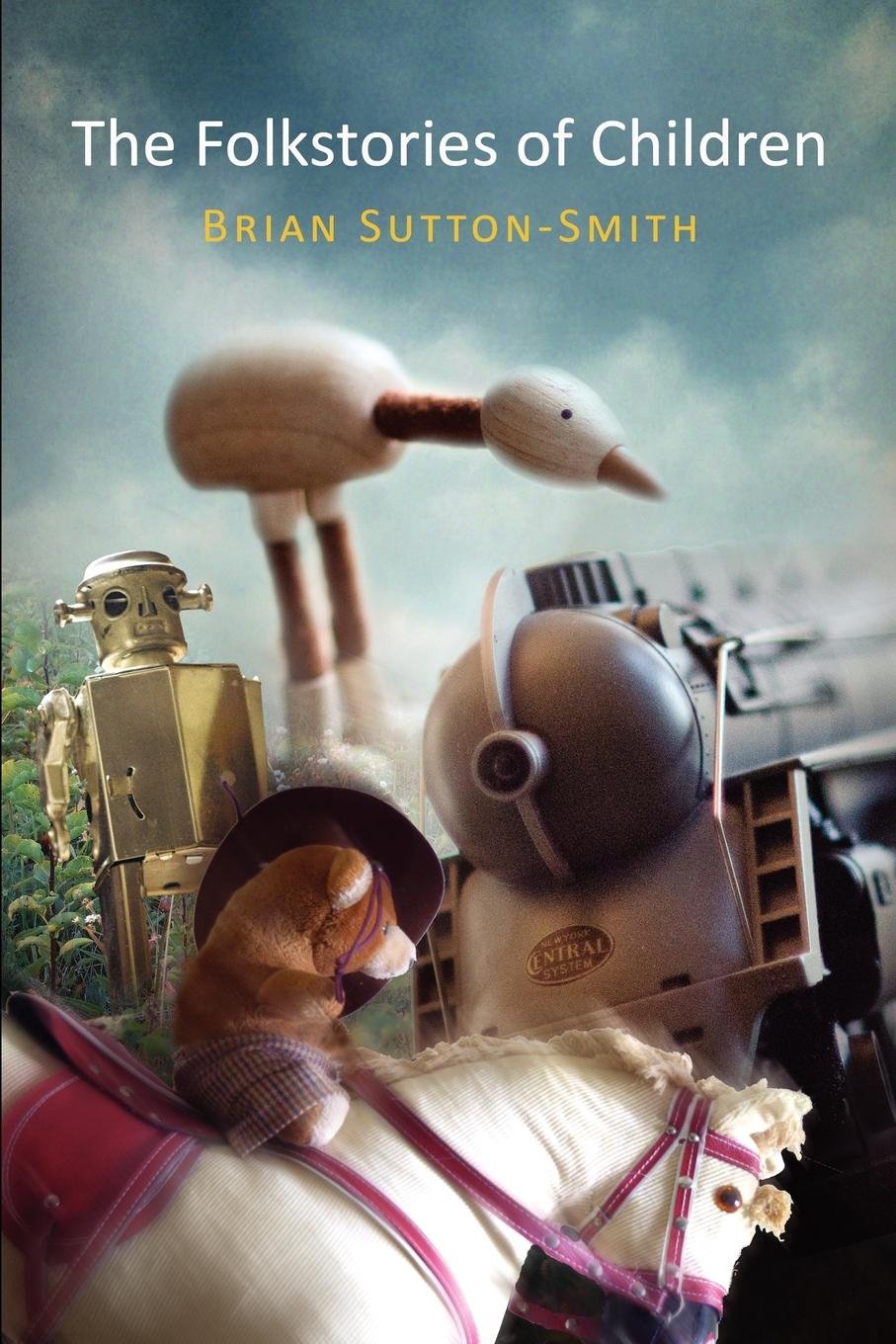
What prompts children to tell stories? What does the word "story" mean to a child at two or five years of age? The Folkstories of Children, first published in 1981, features nearly five hundred stories that were volunteered by fifty children between the ages of two and ten and transcribed word for word. The stories are organized chronologically by the age of the teller, revealing the progression of verbal competence and the gradual emergence of staging and plot organization. Many stories told by twoyearolds, for example, have only beginnings with no middle or end; the "narrative" is held together by rhyme or alliteration. After the age of three or four, the same children tell stories that feature a central character and a narrative arc. The stories also exhibit each child's growing awareness and management of his or her environment and life concerns. Some children see their stories as dialogues between teller and audience, others as monologues expressing concerns about fate and the forces of good and evil.Brian SuttonSmith discusses the possible origins of the stories themselves: folktales, parent and teacher reading, media, required writing of stories in school, dreams, and play. The notes to each chapter draw on this context as well as folktale analysis and child development theory to consider why and how the stories take their particular forms. The Folkstories of Children provides valuable evidence and insight into the ways children actively and inventively engage language as they grow.
⚠️ WARNING (California Proposition 65):
This product may contain chemicals known to the State of California to cause cancer,
birth defects, or other reproductive harm.
For MAP (Minimum Advertised Price) violations and Intellectual Property (IP) or Trademark concerns, please contact:
support@ergodebooks.com
⚠️ California Proposition 65 Warning: Some products sold on this website may expose you to chemicals known to the State of California to cause cancer, birth defects, or other reproductive harm. For more information, visit www.P65Warnings.ca.gov.