
Title
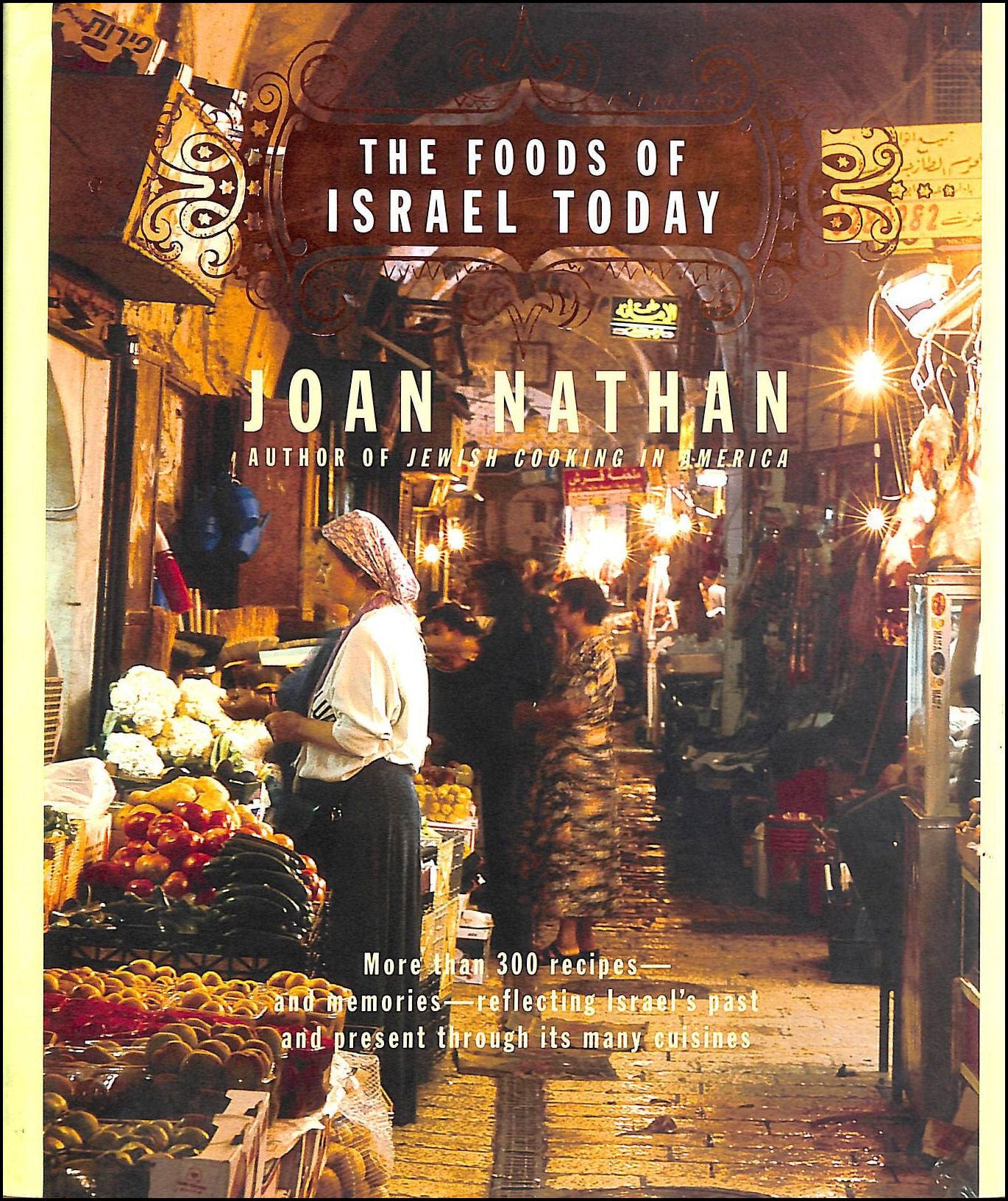
The Foods Of Israel Today: More Than 300 Recipesand Memoriesreflecting Israel'S Past And Present Through Its Many Cuisines,Used
Sold by Ergodebooks, an authorized reseller.
Returns accepted within 30 days | support@ergodebooks.com
Shipping Information
- Free Standard Shipping — United States only
- Processing Time: 3–5 business days
- Estimated Delivery: 6–10 business days after dispatch
- Double-boxed, fully insured & discreetly packaged
- Tracking number sent via email once dispatched
Returns & Refund
Returns accepted within 30 days of delivery.
Damaged or Defective Item
Free return shipping + replacement or full refund
Wrong Item Received
Free return shipping + replacement or full refund
Change of Mind
Return shipping at customer's expense · 25% restocking fee applies
Payment Option

Joan Nathan Has Created A Masterful Blend Of Food And Culture. She Takes Her Reader On An Extraordinary Journey Through The History Of The Land Of Israel And The Development Of Modern Israeli Food. I Was Delighted To Visit All The Different Ethnic Communities That Have Contributed To Israeli Cuisine, And My Mouth Watered Just Imagining The Feast That Joan Nathan Describes.'Teddy Kollek, Former Mayor Of Jerusalemin This Richly Evocative Book, Joan Nathan Captures The Spirit Of Israel Today By Exploring Its Multifaceted Cuisine. She Delves Into The Histories Of The People Already Settled In This Nearly Barren Land, As Well As Those Who Immigrated And Helped To Quickly Transform It Into A Country Bursting With New Produce. It Is A Dramatic And Moving Saga, Interlarded With More Than Two Hundred Wonderful Recipes That Represent All The Varied Ethnic Backgrounds. Every Recipe Has A Story, And Through These Tales The Story Of Israel Emerges.Nathan Shows How A Typical Israeli Menu Today Might Include Middle Eastern Hummus, A European Schnitzel (Made With Nativeraised Turkey) Accompanied By A Turkish Eggplant Salad And A Persian Rice Dish, With, Perhaps, Jaffa Orange Delight For Dessert. On Friday Nights She Visits With Home Cooks Who May Be Preparing A Traditional Libyan, Moroccan, Italian, Or German Meal For Their Families, The Sabbath Being The Focal Point Of The Week Throughout Israel (All Her Recipes Are Accordingly Kosher). And She Takes Us To Markets Overflowing With Vegetables, Fruits, Herbs, And Spices.To Gather The Recipes And The Stories, Nathan Has Been Traveling The Length And Breadth Of Israel For Many Yearsto A Syrian Alawite Village On The Northern Border For A Vegetarian Kubbeh And To Bet She'An For Potato Burekas; To The Red Sea For Farmed Sea Bream And To The Sea Of Galilee For St. Peter'S Fish; To Jerusalem'S Bukharan Quarter For Iraqi Pita Bread Baked In A Woodfired Clay Oven, To The Nahlaot Neighborhood For Yemenite Fried Pancakelike Bread, And To A Druse Village For Paperthin Lavash; To A Tiny Restaurant In Haifa For Turkish Coconut Cake And To A Wedding At Kibbutz May'Ayan Baruch In The Upper Galilee For Moroccan Sweet Couscous; And To Many, Many Other Places. All The While, She Seeks Out Biblical Connections Between Ancient Herbs And Vegetables And Their Modern Counterparts, Between Esau'S Mess Of Pottage And Today'S Popular Taboulleh, And She Delights Us With Tales Of All She Encounters.Throughout, Joan Nathan Shows Us How Food In This Politically Turbulent Land Can Be A Way Of Breaking Down Barriers Between Jews, Moslems, And Christians. Generously Illustrated With Colorful Photographs, This Enormously Engaging Book Is One To Treasure, Not Only As A Splendid Cookbook But Also As A Unique Record Of Life In Israel.
⚠️ WARNING (California Proposition 65):
This product may contain chemicals known to the State of California to cause cancer, birth defects, or other reproductive harm.
For more information, please visit www.P65Warnings.ca.gov.
- Q: How many pages does the book have? A: This book contains four hundred forty-eight pages. It offers a comprehensive exploration of Israeli cuisine and culture.
- Q: What type of binding does this book have? A: The book has a hardcover binding. This makes it durable and suitable for frequent use in the kitchen.
- Q: What is the size of the book? A: The book measures eight point two inches in length, one point three five inches in width, and nine point four one inches in height. Its size makes it easy to handle and store.
- Q: Who is the author of this book? A: The author is Joan Nathan. She is well-known for her expertise in Jewish cuisine and culinary history.
- Q: What type of cuisine does this book focus on? A: This book focuses on Middle Eastern cuisine. It showcases over three hundred recipes from various ethnic communities in Israel.
- Q: How do I prepare a dish from this book? A: To prepare a dish, simply follow the recipe instructions provided in the book. Each recipe is accompanied by a story that adds context to the dish.
- Q: Is this book suitable for beginners in cooking? A: Yes, this book is suitable for beginners. The recipes vary in complexity, allowing novice cooks to find accessible options.
- Q: Are the recipes in this book kosher? A: Yes, all the recipes in this book are kosher. Joan Nathan ensures that the culinary traditions are respected.
- Q: How should I store this book to keep it in good condition? A: Store the book upright on a shelf, away from direct sunlight. This will help preserve the binding and pages.
- Q: Can I easily clean the pages of this book? A: No, the pages are not designed to be cleaned. Keeping the book dry and handling it carefully will maintain its condition.
- Q: What if I receive a damaged copy of the book? A: If you receive a damaged copy, contact the retailer for return instructions. Most retailers offer a return policy for damaged items.
- Q: Is this book appropriate for kids? A: Yes, the book is appropriate for kids. It features family-friendly recipes that can be enjoyed by all ages.
- Q: Are there vegetarian recipes in this book? A: Yes, the book includes vegetarian recipes. It highlights the diverse culinary traditions of Israel, including plant-based options.
- Q: What makes this book unique compared to other cookbooks? A: This book is unique because it combines recipes with cultural stories. Joan Nathan shares her experiences and history behind each dish.
- Q: Does this book include photographs of the dishes? A: Yes, the book is generously illustrated with colorful photographs. These images enhance the visual appeal of the recipes.
- Q: Can I find traditional recipes from various cultures in this book? A: Yes, the book features traditional recipes from various cultures, including Libyan, Moroccan, Italian, and German influences. It reflects the multicultural essence of Israeli cuisine.