
Title
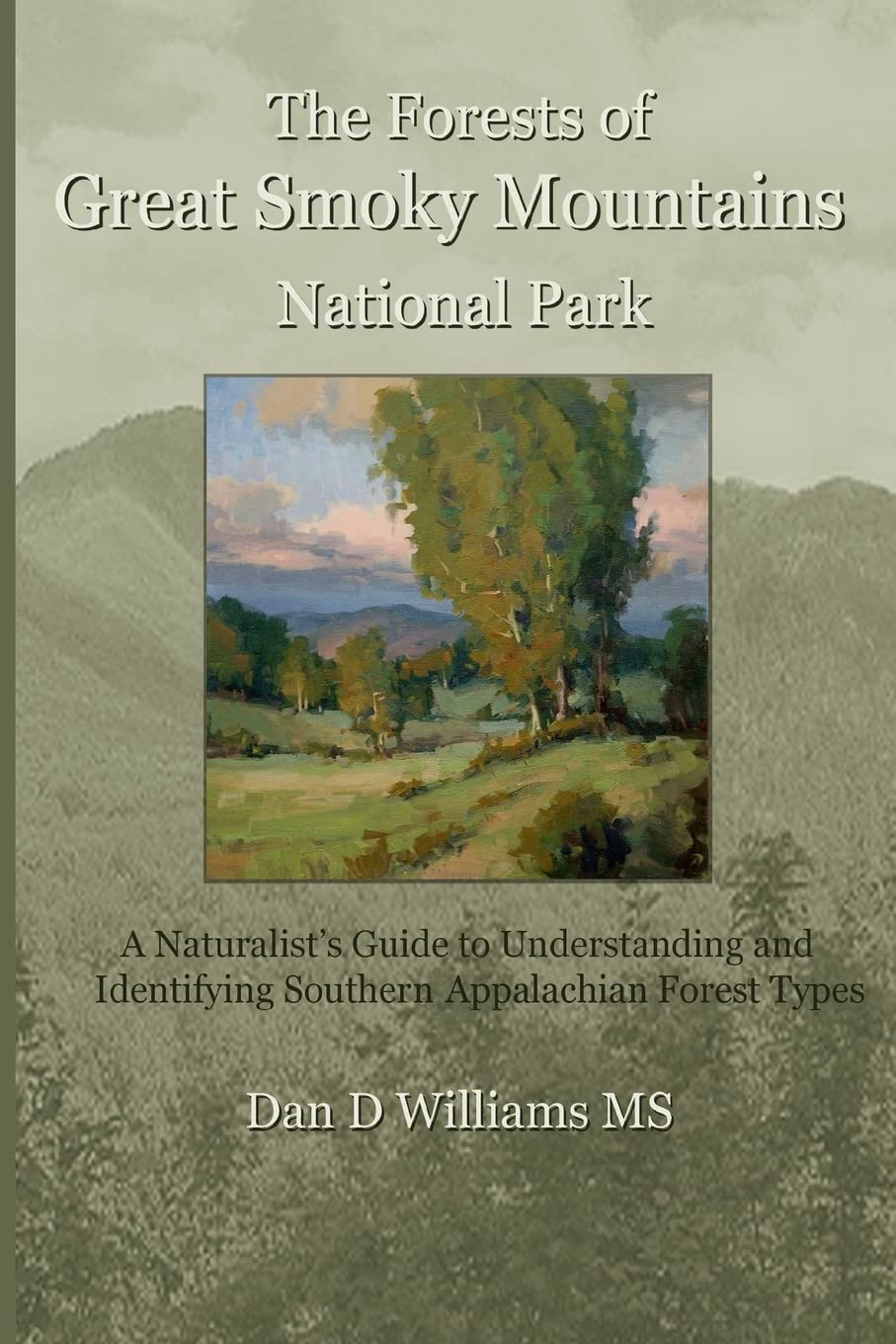
The Forests Of Great Smoky Mountains National Park: A Naturalist'S Guide To Understanding And Identifying Southern Appalachian F,Used
Sold by Ergodebooks, an authorized reseller.
Returns accepted within 30 days | support@ergodebooks.com
Shipping Information
- Free Standard Shipping — United States only
- Processing Time: 3–5 business days
- Estimated Delivery: 6–10 business days after dispatch
- Double-boxed, fully insured & discreetly packaged
- Tracking number sent via email once dispatched
Returns & Refund
Returns accepted within 30 days of delivery.
Damaged or Defective Item
Free return shipping + replacement or full refund
Wrong Item Received
Free return shipping + replacement or full refund
Change of Mind
Return shipping at customer's expense · 25% restocking fee applies
Payment Option

Four important factors have shaped the forests of Great Smoky Mountains National Park, the world's stellar example of southern Appalachian forests. These factors are elevation, landform, forest succession and exotic tree pests. This book explains how to identify and understand the Park's forests based these factors. Elevation and landform are defined and summarized in the Forest Finder, a graphical representation of the 15 major southern Appalachian forest types found in the Park. You can use the Forest Finder to identify forests when you visit Great Smoky Mountains National Park and surrounding national forests. Each forest type is described in detail, as are most of the major trees of the southern Appalachians. Also included are instructions on downloading and interpreting free topographic maps that contain the elevation and land shape information used as inputs to the Forest Finder. Southern Appalachian forest succession is clearly explained, and the reader is shown how to interpret changes in forest succession brought about by land clearing and logging operations in the Park. The associated tree table shows shade tolerance ratings, canopy position and moisture preference for major southern Appalachian trees and shrubs. Important exotic tree pests are described, including the chestnut blight and the hemlock wooly adelgid, as well as their drastic effect on the Park's forests. Along the way the reader learns how to sample the forest using skills like pacing, measuring tree diameter, estimating tree age, determining successional stage and identifying major southern Appalachian tree species. The book directs readers to a web site where free large scale, full color versions of all maps and graphs in the book can be downloaded.
⚠️ WARNING (California Proposition 65):
This product may contain chemicals known to the State of California to cause cancer, birth defects, or other reproductive harm.
For more information, please visit www.P65Warnings.ca.gov.