
Title
The Formation of the Chinese Communist Party,Used
Sold by Ergodebooks, an authorized reseller.
Returns accepted within 30 days | support@ergodebooks.com
Shipping Information
- Free Standard Shipping — United States only
- Processing Time: 3–5 business days
- Estimated Delivery: 6–10 business days after dispatch
- Double-boxed, fully insured & discreetly packaged
- Tracking number sent via email once dispatched
Returns & Refund
Returns accepted within 30 days of delivery.
Damaged or Defective Item
Free return shipping + replacement or full refund
Wrong Item Received
Free return shipping + replacement or full refund
Change of Mind
Return shipping at customer's expense · 25% restocking fee applies
Payment Option

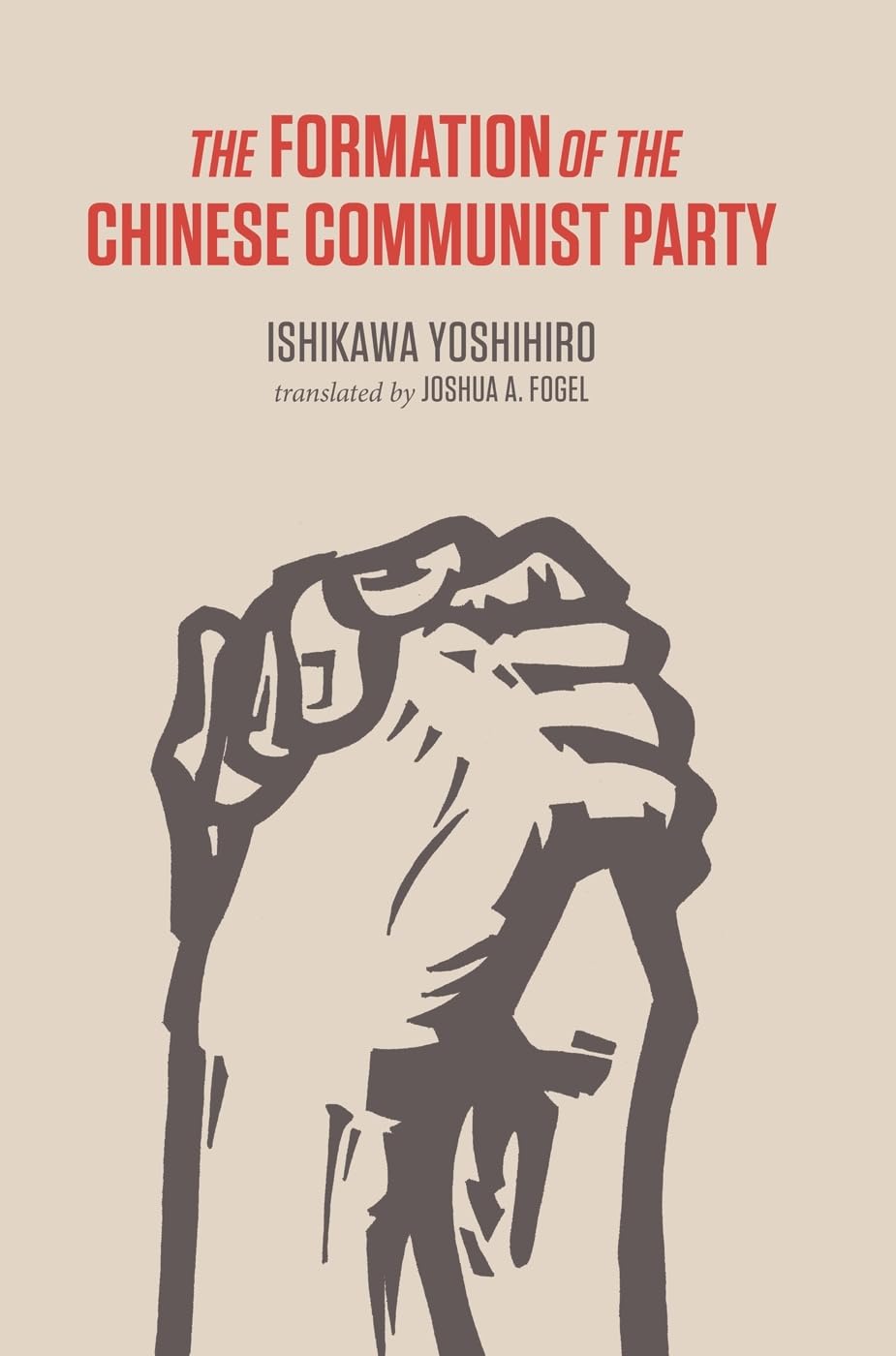
Official Chinese narratives recounting the rise of the Chinese Communist Party (CCP) tend to minimize the movement's international associations. Conducting careful readings and translations of recently released documents in Russian, Japanese, and Chinese, Ishikawa Yoshihiro builds a portrait of the party's multifaceted character, revealing the provocative influences that shaped the movement and the ideologies of its competitors.Making use of public and private documents and research, Ishikawa begins the story in 1919 with Chinese intellectuals who wrote extensively under pen names and, in fact, plagiarized or translated many iconic texts of early Chinese Marxism. Chinese Marxists initially drew intellectual sustenance from their Japanese counterparts, until Japan clamped down on leftist activities. The Chinese then turned to American and British sources.Ishikawa traces these networks through an exhaustive survey of journals, newspapers, and other intellectual and popular publications. He reports on numerous early meetings involving a range of groups, only some of which were later funneled into CCP membership, and he follows the developments at Soviet Russian gatherings attended by a number of Chinese representatives who claimed to speak for a nascent CCP. Concluding his narrative in 1922, one year after the party's official founding, Ishikawa clarifies a traditionally opaque period in Chinese history and sheds new light on the subsequent behavior and attitude of the party.
⚠️ WARNING (California Proposition 65):
This product may contain chemicals known to the State of California to cause cancer, birth defects, or other reproductive harm.
For more information, please visit www.P65Warnings.ca.gov.