
Title
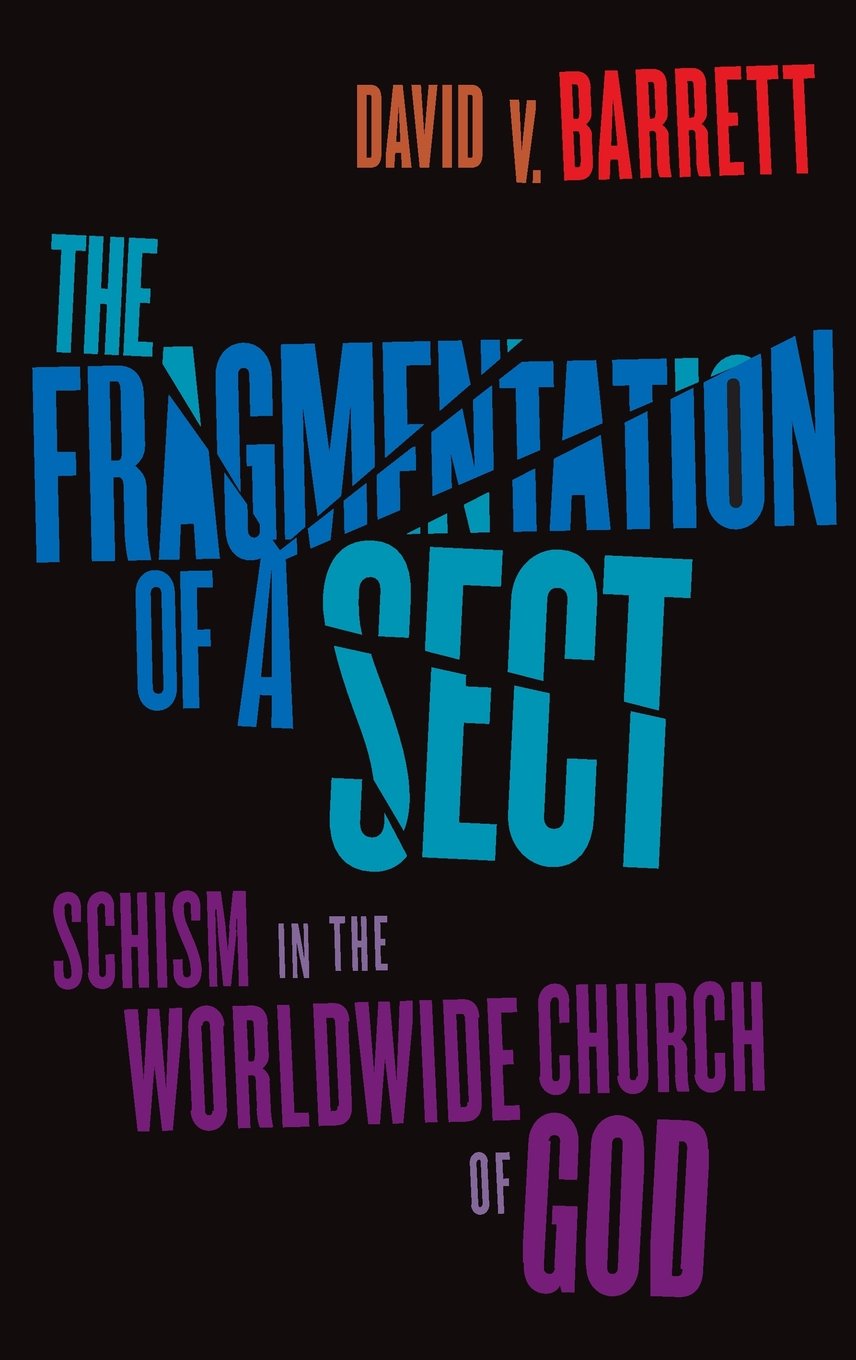
The Fragmentation of a Sect: Schism in the Worldwide Church of God,Used
Sold by Ergodebooks, an authorized reseller.
Returns accepted within 30 days | support@ergodebooks.com
Shipping Information
- Free Standard Shipping — United States only
- Processing Time: 3–5 business days
- Estimated Delivery: 6–10 business days after dispatch
- Double-boxed, fully insured & discreetly packaged
- Tracking number sent via email once dispatched
Returns & Refund
Returns accepted within 30 days of delivery.
Damaged or Defective Item
Free return shipping + replacement or full refund
Wrong Item Received
Free return shipping + replacement or full refund
Change of Mind
Return shipping at customer's expense · 25% restocking fee applies
Payment Option

In the mid1930s Herbert W. Armstrong, an unsuccessful American advertising executive, founded a millennialist Sabbatarian Christian sect with a heterodox theology. Over the next half century, despite a number of setbacks, scandals, criticisms, and attacks from former members and anticultists, Armstrong's organization, the Worldwide Church of God, grew to around 100,000 baptized members with a world circulation of over six million for its flagship monthly magazine Plain Truth. In January 1986, Armstrong died. His successor changed most of the church's distinctive doctrines, leading it towards an increasing convergence with mainstream Evangelical Christianity. This created a massive cognitive dissonance in ministers and members: should they accept or reject the authority of the church leadership which had abandoned the authority of the founder's teachings? Groups of ministers left the religion to form new churches, taking tens of thousands of members with them. These schismatic churches in turn faced continuing schism, resulting in over 400 offshoot churches within little more than a decade.In this major study David V. Barrett tells the story of the Worldwide Church of God. He examines the processes involved in schism and the varying forms of legitimation of authority within both the original church and its range of offshoots, from hardline to comparatively liberal. His book extends the concepts of rational choice theory when applied to complex religious choices. He also offers a new typological model for categorizing how movements can change after their founder's death, and explores the usefulness of this model by applying it not only to the Worldwide Church of God but also to a wide variety of other religions.
⚠️ WARNING (California Proposition 65):
This product may contain chemicals known to the State of California to cause cancer, birth defects, or other reproductive harm.
For more information, please visit www.P65Warnings.ca.gov.