If you have any questions, you are always welcome to contact us. We'll get back to you as soon as possible, withing 24 hours on weekdays.
Customer service
All questions about your order, return and delivery must be sent to our customer service team by e-mail at yourstore@yourdomain.com
Sale & Press
If you are interested in selling our products, need more information about our brand or wish to make a collaboration, please contact us at press@yourdomain.com
Help
If you have any questions, you are always welcome to contact us. We'll get back to you as soon as possible, withing 24 hours on weekdays.
Customer service
All questions about your order, return and delivery must be sent to our customer service team by e-mail at yourstore@yourdomain.com
Sale & Press
If you are interested in selling our products, need more information about our brand or wish to make a collaboration, please contact us at press@yourdomain.com
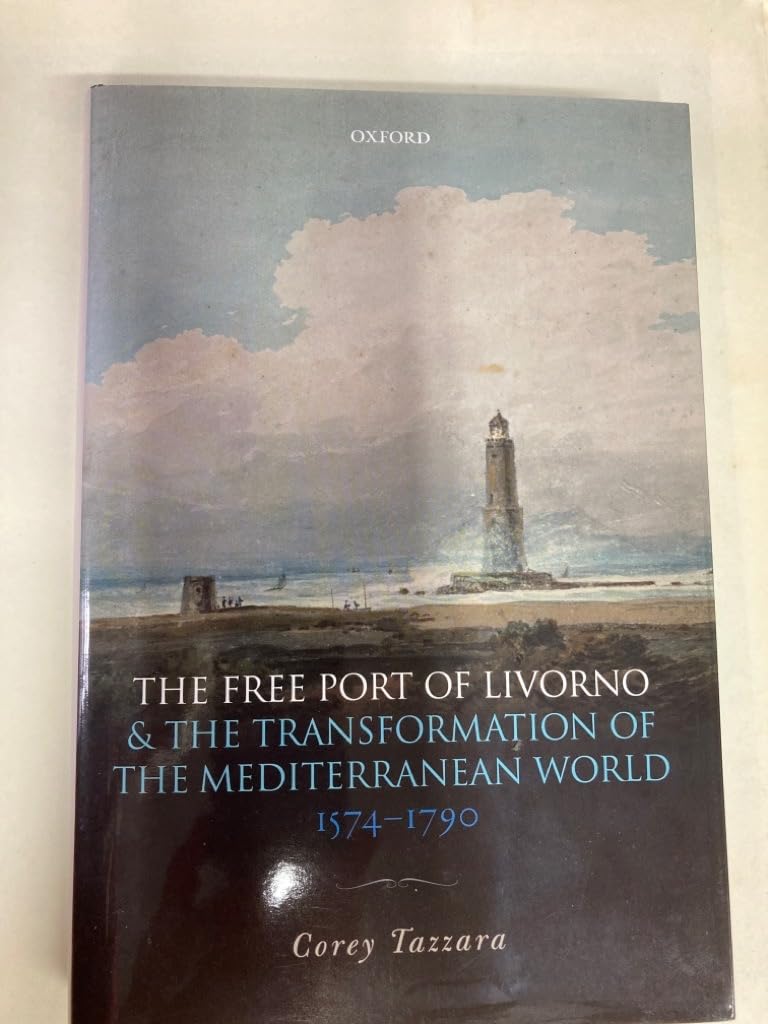
In the twilight of the Renaissance, the grand duke of Tuscanya scion of the fabled Medici family of bankersinvited foreign merchants, artisans, and ship captains to settle in his port city of Livorno. The town quickly became one of the most bustling port cities in the Mediterranean, presenting a rich tableau of officials, merchants, mariners, and slaves. Nobody could have predicted in 1600 that their activities would contribute a chapter in the history of free trade. Yet by the late seventeenth century, the grand duke's invitation had evolved into a general program of hospitality towards foreign visitors, the liberal treatment of goods, and a model for the elimination of customs duties. Livorno was the earliest and most successful example of a free port in Europe. The story of Livorno shows the seeds of liberalism emerging, not from the studies of philosophers such as Adam Smith, but out of the nexus between commerce, politics, and identity in the early modern Mediterranean.
⚠️ WARNING (California Proposition 65):
This product may contain chemicals known to the State of California to cause cancer,
birth defects, or other reproductive harm.
For MAP (Minimum Advertised Price) violations and Intellectual Property (IP) or Trademark concerns, please contact:
support@ergodebooks.com
⚠️ California Proposition 65 Warning: Some products sold on this website may expose you to chemicals known to the State of California to cause cancer, birth defects, or other reproductive harm. For more information, visit www.P65Warnings.ca.gov.