
Title

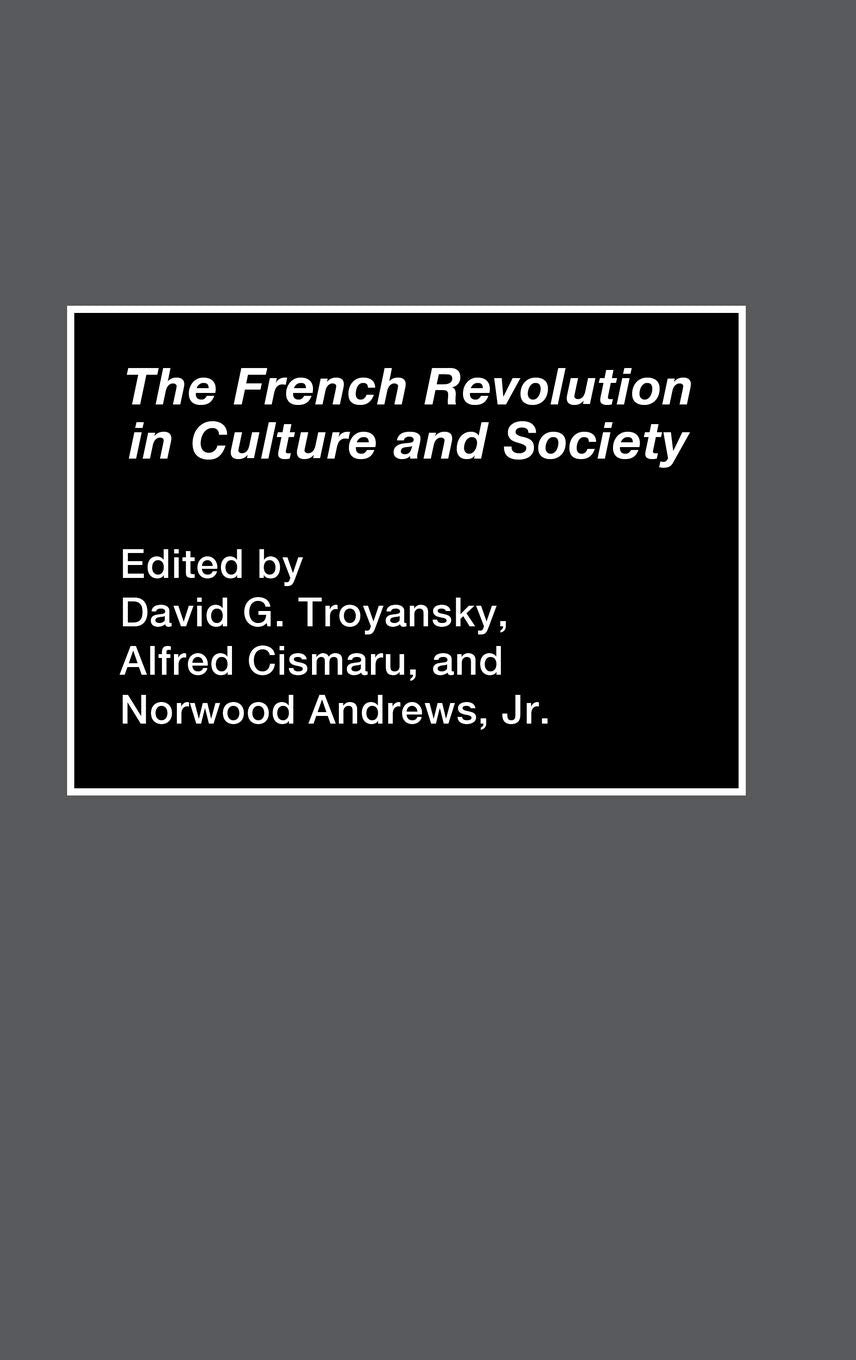
The French Revolution in Culture and Society (Contributions to the Study of World History),Used
Sold by Ergodebooks, an authorized reseller.
Returns accepted within 30 days | support@ergodebooks.com
Shipping Information
- Free Standard Shipping — United States only
- Processing Time: 3–5 business days
- Estimated Delivery: 6–10 business days after dispatch
- Double-boxed, fully insured & discreetly packaged
- Tracking number sent via email once dispatched
Returns & Refund
Returns accepted within 30 days of delivery.
Damaged or Defective Item
Free return shipping + replacement or full refund
Wrong Item Received
Free return shipping + replacement or full refund
Change of Mind
Return shipping at customer's expense · 25% restocking fee applies
Payment Option

This volume examines the issue of the timing of cultural change, problems of Revolutionary anticipations and reverberations, and the relationship between culture, politics, and society. Individual essays combine both old and new approaches, ranging from textual analysis to the study of local judicial records, from the psychohistorical to the demographic. But they all demonstrate the usefulness of linking social and cultural history, broadly conceived, and of interdisciplinary approaches to the study of events.Part One addresses directly the creation of French Revolutionary culture. The contributors describe the physical act of dismantling and redefining the culture of the Ancien Regime for revolutionary purposes, new conceptions of time, and generation relations in Revolutionary rhetoric and law. The second part identifies key cultural ingredients from the distant past. It reminds us of the extent to which the Revolution employed the huge storehouse of Western culture to create something original. Because the creation of a democratic culture implies a crisis of consciousness, Part Three brings together a range of investigations into the question of cultural crisis. Three essays see the Revolutionary era as engendering psychological dislocation. In Part Four, social historians reveal the variety of approaches they have taken in trying to understand eighteenth century France. The varied contributions exploit the sources that have become the stockintrade of modern social history. Poverty, crime, and population are among the leading topics in current historiography, but military and political institutions are also examined in new ways. This edited collection provides new insights into a critical period of world history and will be welcomed by all scholars of the French Revolution and its aftermath.
⚠️ WARNING (California Proposition 65):
This product may contain chemicals known to the State of California to cause cancer, birth defects, or other reproductive harm.
For more information, please visit www.P65Warnings.ca.gov.