
Title
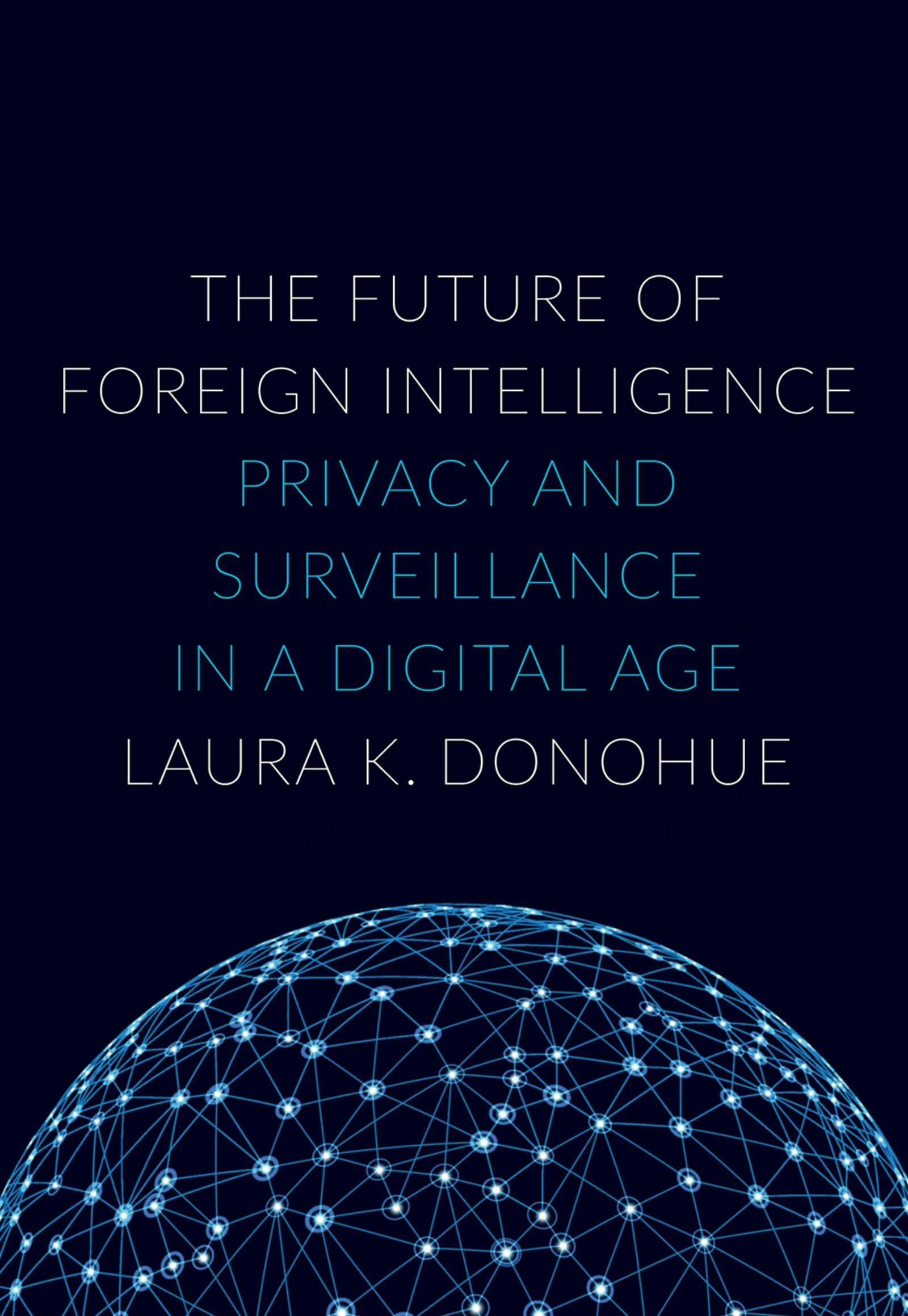
The Future Of Foreign Intelligence: Privacy And Surveillance In A Digital Age (Inalienable Rights)
Sold by Ergodebooks, an authorized reseller.
Returns accepted within 30 days | support@ergodebooks.com
Shipping Information
- Free Standard Shipping — United States only
- Processing Time: 3–5 business days
- Estimated Delivery: 6–10 business days after dispatch
- Double-boxed, fully insured & discreetly packaged
- Tracking number sent via email once dispatched
Returns & Refund
Returns accepted within 30 days of delivery.
Damaged or Defective Item
Free return shipping + replacement or full refund
Wrong Item Received
Free return shipping + replacement or full refund
Change of Mind
Return shipping at customer's expense · 25% restocking fee applies
Payment Option

Since The Revolutionary War, America'S Military And Political Leaders Have Recognized That U.S. National Security Depends Upon The Collection Of Intelligence. Absent Information About Foreign Threats, The Thinking Went, The Country And Its Citizens Stood In Great Peril. To Address This, The Courts And Congress Have Historically Given The President Broad Leeway To Obtain Foreign Intelligence. But In Order To Find Information About An Individual In The United States, The Executive Branch Had To Demonstrate That The Person Was An Agent Of A Foreign Power. Today, That Barrier No Longer Exists. The Intelligence Community Now Collects Massive Amounts Of Data And Then Looks For Potential Threats To The United States.As Renowned National Security Law Scholar Laura K. Donohue Explains In The Future Of Foreign Intelligence, Global Communications Systems And Digital Technologies Have Changed Our Lives In Countless Ways. But They Have Also Contributed To A Worrying Transformation. Together With Statutory Alterations Instituted In The Wake Of 9/11, And Secret Legal Interpretations That Have Only Recently Become Public, New And Emerging Technologies Have Radically Expanded The Amount And Type Of Information That The Government Collects About U.S. Citizens. Traditionally, For National Security, The Courts Have Allowed Weaker Fourth Amendment Standards For Search And Seizure Than Those That Mark Criminal Law. Information That Is Being Collected For Foreign Intelligence Purposes, Though, Is Now Being Used For Criminal Prosecution. The Expansion In The Government'S Acquisition Of Private Information, And The Convergence Between National Security And Criminal Law Threaten Individual Liberty.Donohue Traces The Evolution Of U.S. Foreign Intelligence Law And Pairs It With The Progress Of Fourth Amendment Jurisprudence. She Argues That The Bulk Collection Programs Instituted By The National Security Agency Amount To A General Warrant, The Prevention Of Which Was The Reason The Founders Introduced The Fourth Amendment. The Expansion Of Foreign Intelligence Surveillanceleant Momentum By Advances In Technology, The Global War On Terror, And The Emphasis On Securing The Homelandnow Threatens To Consume Protections Essential To Privacy, Which Is A Necessary Component Of A Healthy Democracy. Donohue Offers A Road Map For Reining In The National Security State'S Expansive Reach, Arguing For A Judicial Reevaluation Of Third Party Doctrine And Statutory Reform That Will Force The Executive Branch To Take Privacy Seriously, Even As Congress Provides For The Collection Of Intelligence Central To U.S. National Security. Alarming And Penetrating, This Is Essential Reading For Anyone Interested In The Future Of Foreign Intelligence And Privacy In The United States.
⚠️ WARNING (California Proposition 65):
This product may contain chemicals known to the State of California to cause cancer, birth defects, or other reproductive harm.
For more information, please visit www.P65Warnings.ca.gov.
- Q: How many pages does the book have? A: The book has two hundred four pages. This provides a comprehensive exploration of foreign intelligence and privacy issues.
- Q: What is the binding type of this book? A: This book is a hardcover edition. The hardcover provides durability and a professional appearance for readers.
- Q: What are the dimensions of the book? A: The book measures five point seven one inches in length, zero point nine eight inches in width, and eight point three one inches in height. These dimensions make it easy to handle and store.
- Q: Who is the author of this book? A: The author is Laura K. Donohue. She is a renowned scholar in national security law and privacy issues.
- Q: What is the main theme of the book? A: The main theme addresses the intersection of foreign intelligence, privacy, and surveillance in the digital age. It critically examines the implications for individual liberty.
- Q: Is this book suitable for beginners? A: Yes, this book is suitable for beginners interested in national security and privacy. It provides a thorough introduction to complex topics.
- Q: How can I apply the insights from the book? A: You can apply insights by understanding the evolution of foreign intelligence laws and their impact on privacy. This knowledge is valuable for informed citizenship.
- Q: Is there a specific reading age for this book? A: The book is suitable for adults and mature teens. It covers complex legal and political themes that require critical thinking.
- Q: How should I store this book? A: Store this book in a cool, dry place away from direct sunlight. This will help preserve the hardcover and the pages.
- Q: Can I lend this book to others? A: Yes, you can lend this book to others. Just ensure it is returned in good condition to maintain its durability.
- Q: What if the book arrives damaged? A: If the book arrives damaged, you should contact customer support for a return or replacement. Most retailers offer a satisfaction guarantee.
- Q: What is the book's stance on privacy? A: The book argues that expanded surveillance threatens individual privacy rights. It calls for legal reforms to protect civil liberties.
- Q: Are there any legal precedents discussed in the book? A: Yes, the book discusses various legal precedents related to foreign intelligence collection and Fourth Amendment rights. These precedents shape current law.
- Q: Does the book provide a historical perspective? A: Yes, it provides a historical perspective on U.S. foreign intelligence law since the Revolutionary War. This context enhances understanding of current issues.
- Q: Is there a focus on technology in the book? A: Yes, the book examines how digital technologies have transformed intelligence gathering and its implications for privacy. Technology is a key theme.
- Q: What type of audience is this book intended for? A: This book is intended for readers interested in law, national security, and civil rights. It appeals to academics, students, and policymakers.