If you have any questions, you are always welcome to contact us. We'll get back to you as soon as possible, withing 24 hours on weekdays.
Customer service
All questions about your order, return and delivery must be sent to our customer service team by e-mail at yourstore@yourdomain.com
Sale & Press
If you are interested in selling our products, need more information about our brand or wish to make a collaboration, please contact us at press@yourdomain.com
Help
If you have any questions, you are always welcome to contact us. We'll get back to you as soon as possible, withing 24 hours on weekdays.
Customer service
All questions about your order, return and delivery must be sent to our customer service team by e-mail at yourstore@yourdomain.com
Sale & Press
If you are interested in selling our products, need more information about our brand or wish to make a collaboration, please contact us at press@yourdomain.com
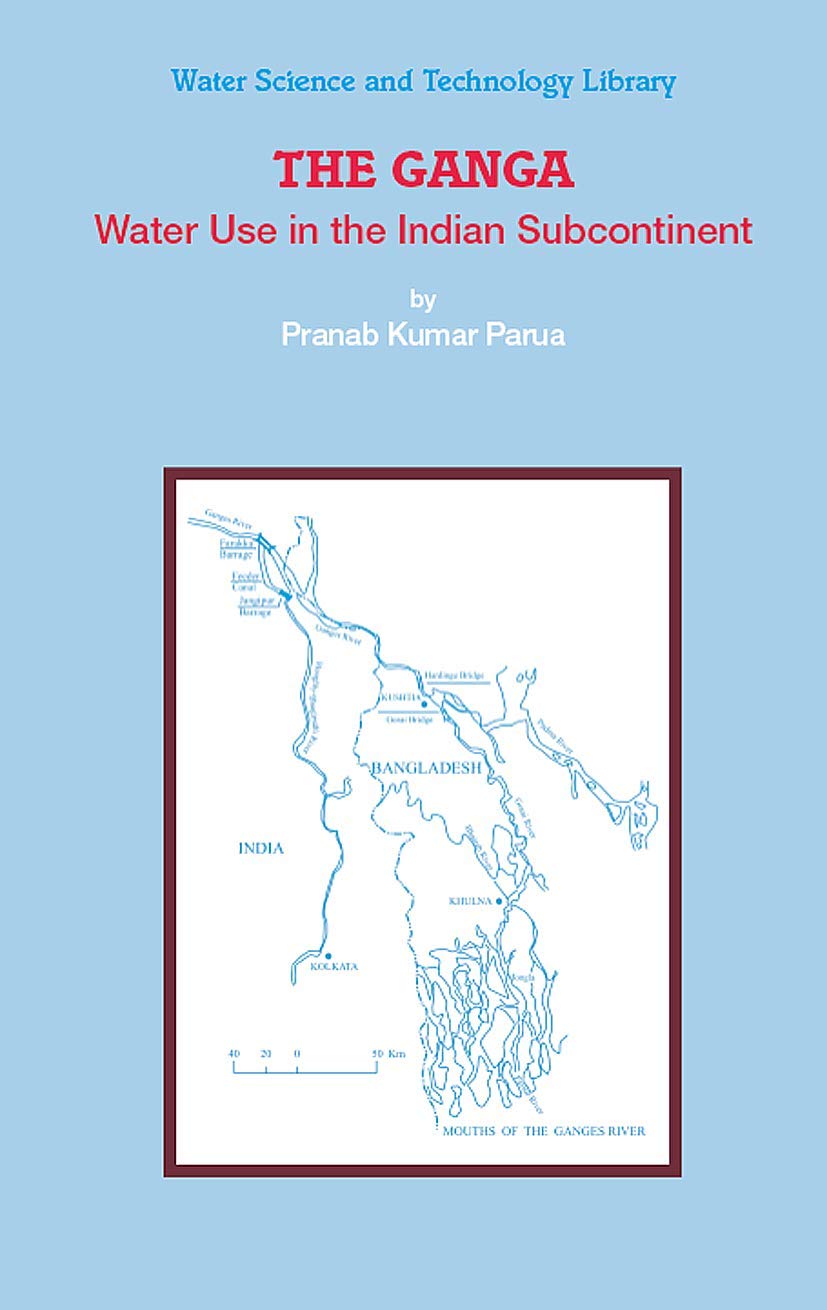
From time immemorial the Bengal Delta had been an important maritime des nation for traders from all parts of the world. The actual location of the port of call varied from time to time in line with the natural hydrographic changes. From the early decades of the second millennium AD, traders from the European con nent also joined the traders from the Arab countries, who had been the Forerunners in maritime trading with India. Daring traders and fortune seekers from Denmark, Holland, Belgium and England arrived at different ports of call along the Hooghly river. The river had been, in the meantime, losing its preeminence as the main outlet channel of the sacred Ganga into the Bay of Bengal, owing to a shift of ?ow towards east near Rajmahal into the Padma, which had been so long, carried very small part of the large volume of ?ow. On a cloudy afternoon on August 24, 1690 the British seafarer Job Charnock rested his oars at Kolkata and started a new chapter in the life of a sleepy village, bordering the Sunderbans which was a tangled region of estuaries, rivers and water courses, enclosing a vast number of islands of various shapes and sizes. and infested with a large variety of wild animals. In the language of the British Nobel Laureate (1907) Rudyard Kipling (18651936). ???? ???? Thus the midday halt of Charnock grew a city.
⚠️ WARNING (California Proposition 65):
This product may contain chemicals known to the State of California to cause cancer,
birth defects, or other reproductive harm.
For MAP (Minimum Advertised Price) violations and Intellectual Property (IP) or Trademark concerns, please contact:
support@ergodebooks.com
⚠️ California Proposition 65 Warning: Some products sold on this website may expose you to chemicals known to the State of California to cause cancer, birth defects, or other reproductive harm. For more information, visit www.P65Warnings.ca.gov.