
Title
The Garden Of Ediacara
Sold by Ergodebooks, an authorized reseller.
Returns accepted within 30 days | support@ergodebooks.com
Shipping Information
- Free Standard Shipping — United States only
- Processing Time: 3–5 business days
- Estimated Delivery: 6–10 business days after dispatch
- Double-boxed, fully insured & discreetly packaged
- Tracking number sent via email once dispatched
Returns & Refund
Returns accepted within 30 days of delivery.
Damaged or Defective Item
Free return shipping + replacement or full refund
Wrong Item Received
Free return shipping + replacement or full refund
Change of Mind
Return shipping at customer's expense · 25% restocking fee applies
Payment Option

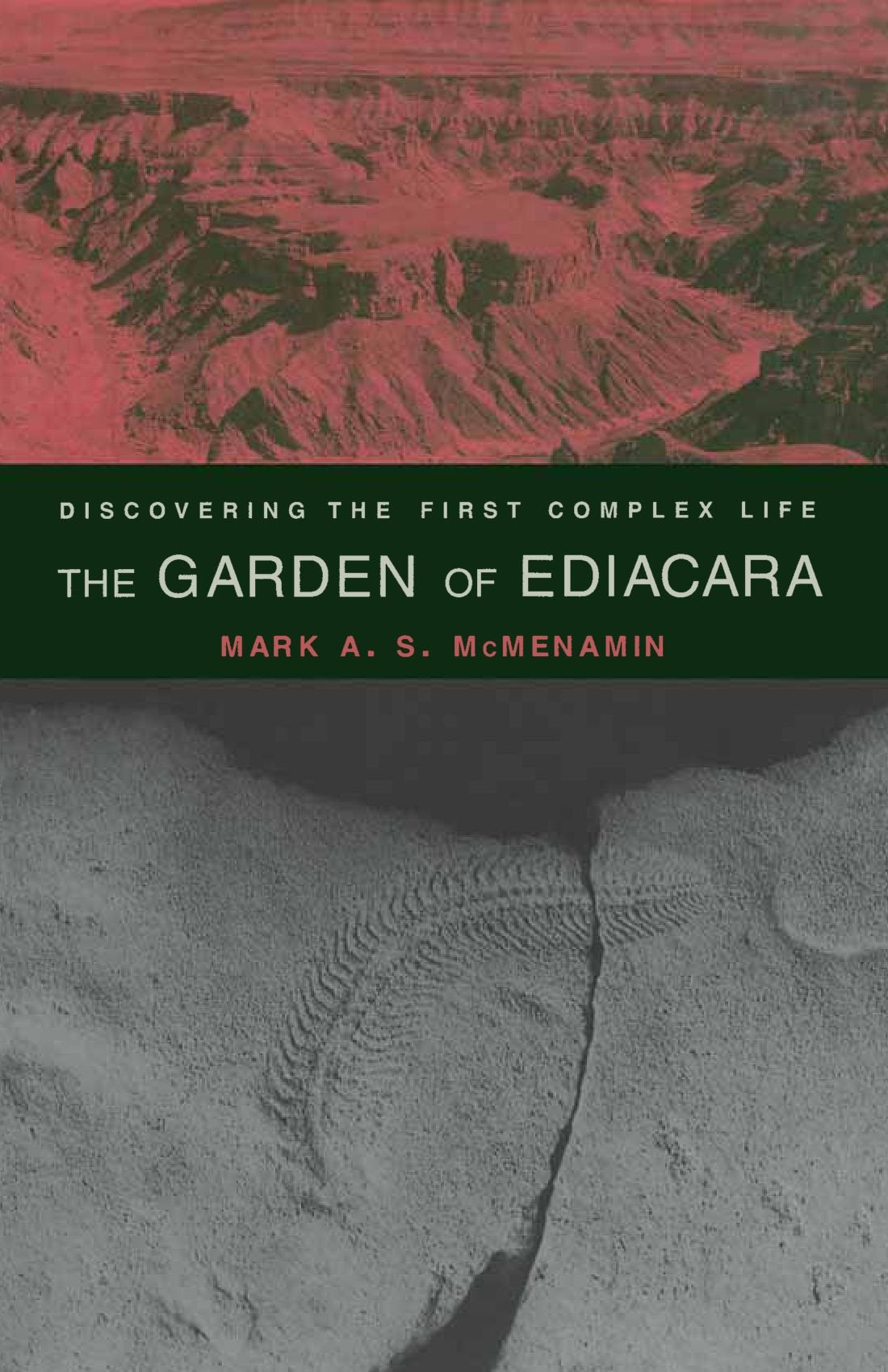
During An Expedition In Sonora, Mexico, Paleontologist Mark A. S. Mcmenamin Unearthed Fossils Of Creatures Dated At Approximately 600 Million Years Oldmaking Them The Oldest Large Body Fossils Ever Discovered. These Circular Fossils, Known As Ediacarans, Seemed To Defy Explanation. Representatives Of Marine Life Forms That Existed In Precambrian Times, As Much As Fifty Million Years Before Life On Earth Began To Diversify Rapidly, The Specimens Bore A Superficial Resemblance To Jellyfish.A Typical Ediacaran Had A Quilted Body, Three Curving Arms At The Center, And A Fringe Of Fine Radial Lines. Mcmenamin'S Curiosity Was Fueled By The Puzzle Of Whether The Ediacarans Were Animals Or Some Other Type Of Organism. How Could Such Complex Forms Of Life Appear So Suddenly, Without Extensive Records Of Prior Evolution? Yet, This Seems To Be Exactly What The Ediacarans Had Done.The Garden Of Ediacara Presents A Mesmerizing Documentary Of A Major Scientific Discovery, Detailing Mcmenamin'S Trip To Namibia, Where, With A Party That Included The Renowned Paleontologist Adolf Seilacher, The Author Investigates A Spectacular Cast Made From A Colony Of Fossils In The Nama Desert. He Chronicles The Long, Often Futile Search Made By Earlier Scientists For Ediacara, Which Began More Than A Century Ago In Europe, North America, And Africa, And The Various Types Of Ediacaran Fossils That Have Been Uncovered In The Years Since.Mcmenamin Concludes That Ediacarans Were Not Animals Because They Never Passed Through The Ballshaped Embryonic Stage Peculiar To Known Animal Life Forms. But, Remarkably, Ediacarans Seem To Have Developed A Central Nervous System And A Brain Independent From Animal Evolution. This Startling Conclusion Has Profound Implications For Our Understanding Of Evolutionary Biology, For It Indicates That The Path Toward Intelligent Life Was Embarked Upon More Than Once On This Planet.
⚠️ WARNING (California Proposition 65):
This product may contain chemicals known to the State of California to cause cancer, birth defects, or other reproductive harm.
For more information, please visit www.P65Warnings.ca.gov.
- Q: What is the page count of 'The Garden of Ediacara'? A: This book contains three hundred sixty-eight pages, providing an in-depth exploration of Ediacaran fossils and paleontology.
- Q: What is the binding type of this book? A: The binding of 'The Garden of Ediacara' is paperback, making it lightweight and easy to handle.
- Q: What are the dimensions of 'The Garden of Ediacara'? A: The dimensions of this book are five point seven one inches in length, zero point six eight inches in width, and eight point eight two inches in height.
- Q: Who is the author of 'The Garden of Ediacara'? A: The book is authored by Mark A. S. McMenamin, a renowned paleontologist known for his work on ancient life forms.
- Q: Is 'The Garden of Ediacara' suitable for beginners in paleontology? A: Yes, this book is suitable for beginners, as it provides a comprehensive overview of Ediacaran fossils and their significance.
- Q: What audience is 'The Garden of Ediacara' intended for? A: This book is intended for readers interested in paleontology, evolutionary biology, and ancient life forms.
- Q: How should I store 'The Garden of Ediacara' to maintain its condition? A: Store this book in a cool, dry place away from direct sunlight to preserve its condition.
- Q: Can I clean 'The Garden of Ediacara' if it gets dirty? A: Yes, you can gently wipe the cover with a soft, dry cloth to remove any dust or smudges.
- Q: Is 'The Garden of Ediacara' safe for children to read? A: Yes, the book is suitable for children, but parental guidance is recommended due to complex scientific concepts.
- Q: How does 'The Garden of Ediacara' compare to other paleontology books? A: This book stands out for its focus on Ediacaran fossils, making it unique compared to general paleontology texts.
- Q: What makes 'The Garden of Ediacara' a recommended read? A: It's recommended for its detailed exploration of ancient life forms and the groundbreaking conclusions drawn by the author.
- Q: What if 'The Garden of Ediacara' arrives damaged? A: If the book arrives damaged, you should contact the seller for return or replacement options.
- Q: Does 'The Garden of Ediacara' include illustrations or images? A: Yes, the book includes illustrations that enhance the understanding of Ediacaran fossils.
- Q: What scientific themes are explored in 'The Garden of Ediacara'? A: The book explores themes of evolutionary biology, the origins of complex life, and the significance of Ediacaran fossils.
- Q: What type of research does Mark A. S. McMenamin present in this book? A: McMenamin presents research from his expeditions and studies on Ediacaran fossils, detailing their implications for evolutionary theory.