
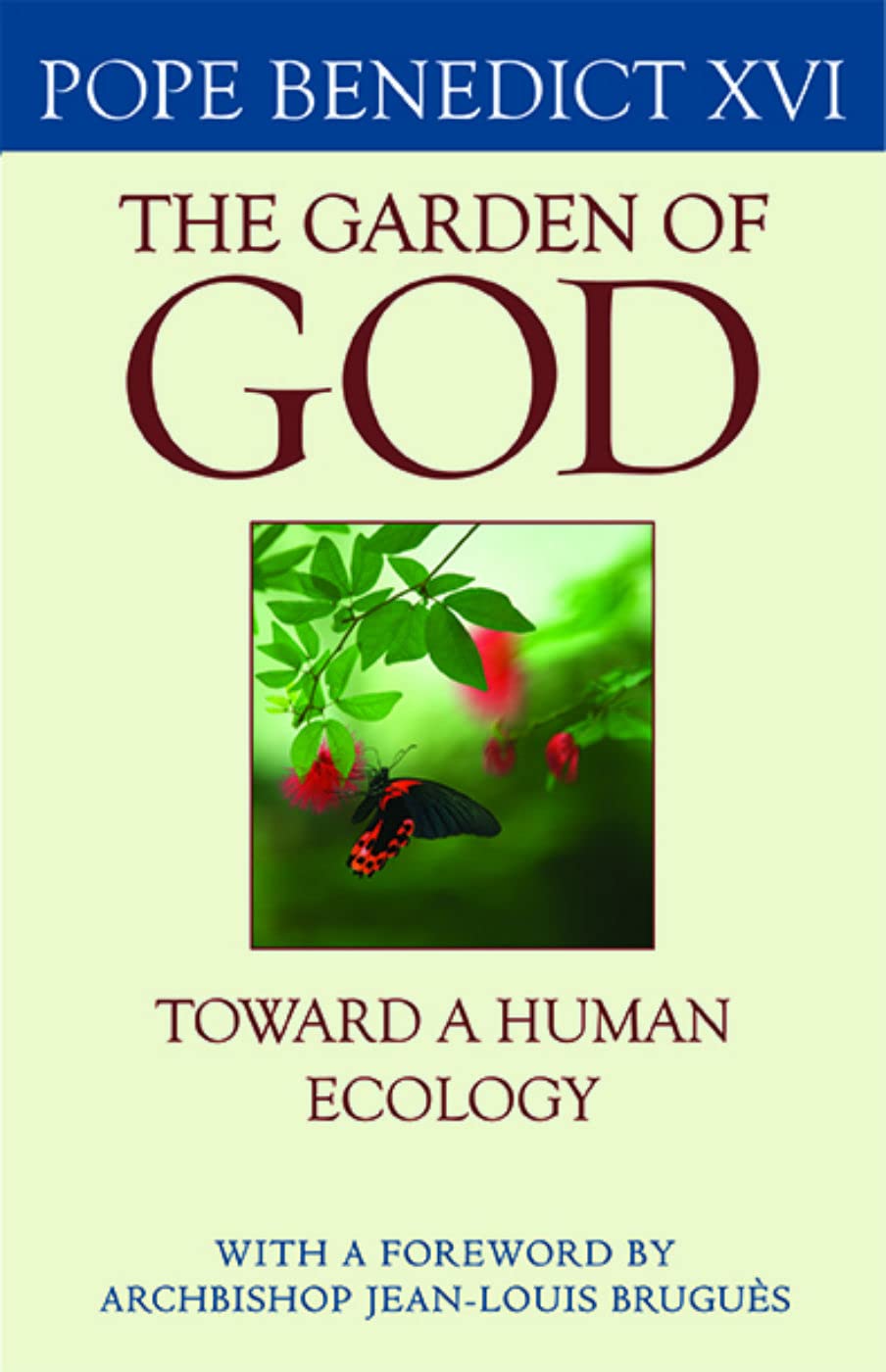
Title
The Garden of God: Toward a Human Ecology,Used
Sold by Ergodebooks, an authorized reseller.
Returns accepted within 30 days | support@ergodebooks.com
Shipping Information
- Free Standard Shipping — United States only
- Processing Time: 3–5 business days
- Estimated Delivery: 6–10 business days after dispatch
- Double-boxed, fully insured & discreetly packaged
- Tracking number sent via email once dispatched
Returns & Refund
Returns accepted within 30 days of delivery.
Damaged or Defective Item
Free return shipping + replacement or full refund
Wrong Item Received
Free return shipping + replacement or full refund
Change of Mind
Return shipping at customer's expense · 25% restocking fee applies
Payment Option

Genesis, the first book of the Bible, tells of the creation of the world and our dominion over it. But is this the whole story? The planet on which we live is ecologically fragile, and all people of good will have a responsibility to take care of this most precious gift. During his papacy, Pope Benedict XVI repeatedly drew attention to the environment, whether in terms of preserving it, such as his address concerning Amazonia and his letter regarding the Arcticor distributing its vital resources, such as watermore equitably. What is more, during Benedict's papacy, the Vatican became the first, and remains the only, carbonneutral country in the world. This book gathers together the audiences, addresses, letters, and homilies of Benedict on a wideranging set of topics that deal with the world about us. The major themes and connections he explores are creation and the natural world; the environment, science, and technology; and hunger, poverty, and the earth's resources. In these pages, Benedict insists that if we truly desire peace, we must be increasingly conscious of and nurture all of creation. Furthermore, he argues convincingly that as our love of God should cause us to protect the environment, so should our heightened sense of appreciation of the natural world draw us closer to God. Benedict speaks out against the spread of nuclear weapons, threats to biodiversity, and in favor of alternative energy. He urges sustainable development, equitable distribution of food and water, and an end to hunger. This book is a valuable resource for all those who seek to understand more fully the relationships among the environment, Catholic social teaching, and theology. Whether speaking to a vast crowd, meeting with a small group of scientists, or writing letters to world leaders, Benedict has shown a clear path towards a theologically cogent concern for the planet on which we live.
⚠️ WARNING (California Proposition 65):
This product may contain chemicals known to the State of California to cause cancer, birth defects, or other reproductive harm.
For more information, please visit www.P65Warnings.ca.gov.
- Q: What is the main theme of 'The Garden of God: Toward a Human Ecology'? A: The main theme of the book revolves around the relationship between creation, the environment, and human responsibility. It emphasizes the importance of caring for the ecological balance of our planet as a reflection of our love for God.
- Q: Who is the author of this book? A: The author of 'The Garden of God: Toward a Human Ecology' is Pope Benedict XVI.
- Q: How many pages does the book contain? A: The book contains a total of 232 pages.
- Q: What type of binding is used for this book? A: This edition of the book is available in paperback binding.
- Q: When was 'The Garden of God: Toward a Human Ecology' published? A: The book was published on April 17, 2014.
- Q: What topics does Pope Benedict XVI address in this book? A: In the book, Pope Benedict XVI addresses topics such as ecological responsibility, the importance of sustainable development, equitable distribution of resources, and the relationship between faith and the natural world.
- Q: Is this book suitable for those interested in theology and ecology? A: Yes, this book is a valuable resource for readers interested in the intersection of theology, Catholic social teaching, and environmental issues.
- Q: What unique perspective does Pope Benedict XVI offer regarding the environment? A: Pope Benedict XVI offers a perspective that connects ecological concerns with spiritual values, advocating for a deeper appreciation of creation as a way to draw closer to God.
- Q: Are there any specific environmental issues discussed in the book? A: Yes, the book discusses various environmental issues, including biodiversity, nuclear weapons, and the need for alternative energy sources.
- Q: Is the book considered new or used? A: The condition of the book is 'New', indicating it is in pristine condition and has not been previously owned.