
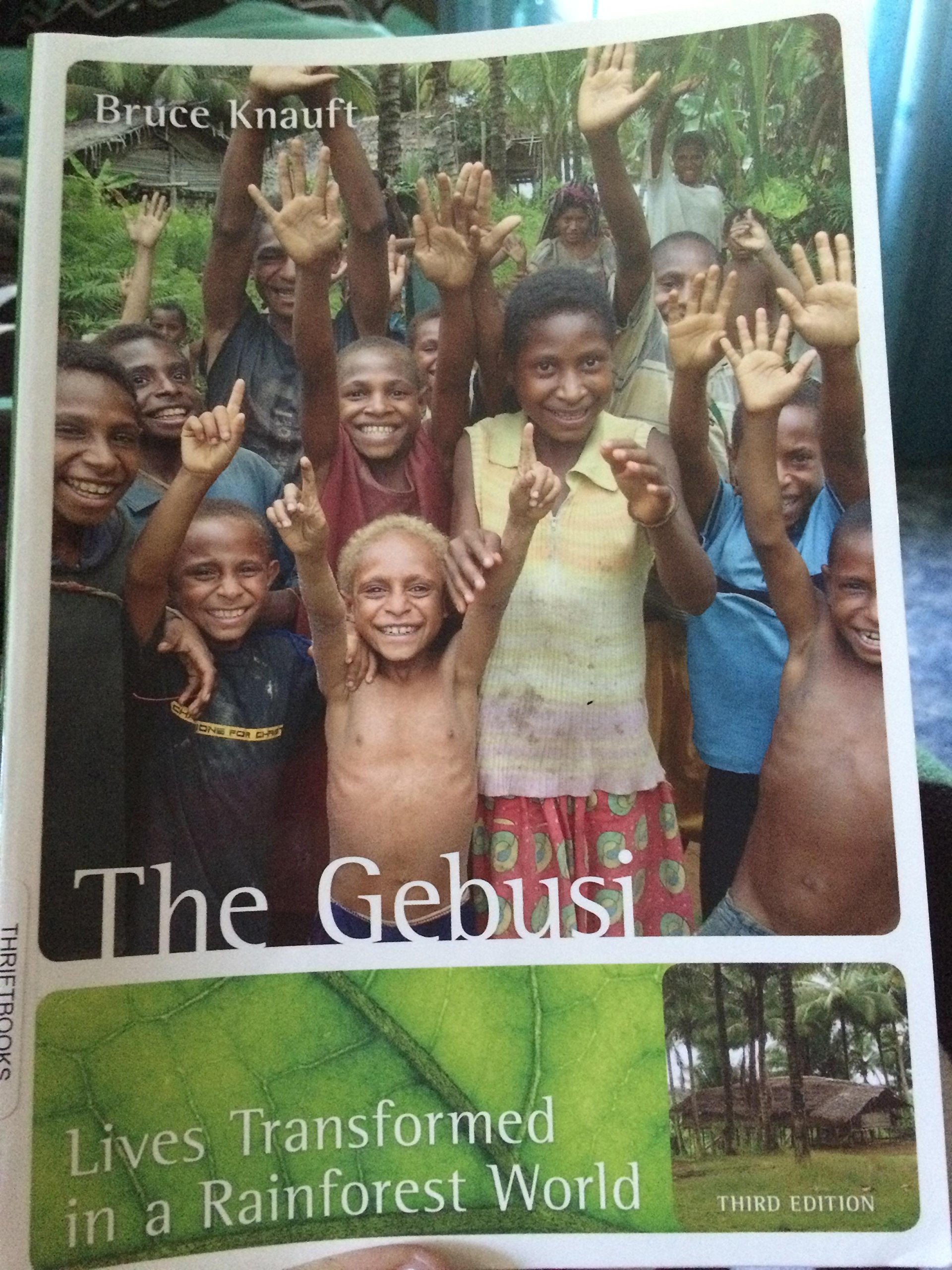
Title
The Gebusi: Lives Transformed In A Rainforest World Third Edition
Sold by Ergodebooks, an authorized reseller.
Returns accepted within 30 days | support@ergodebooks.com
Shipping Information
- Free Standard Shipping — United States only
- Processing Time: 3–5 business days
- Estimated Delivery: 6–10 business days after dispatch
- Double-boxed, fully insured & discreetly packaged
- Tracking number sent via email once dispatched
Returns & Refund
Returns accepted within 30 days of delivery.
Damaged or Defective Item
Free return shipping + replacement or full refund
Wrong Item Received
Free return shipping + replacement or full refund
Change of Mind
Return shipping at customer's expense · 25% restocking fee applies
Payment Option

Written specifically for students, this ethnography provides an engaging, reallife account of the transition from a traditional to a modern culture. It uses vibrant, poignant stories and examples to connect developments among Gebusi to topics widely discussed in anthropology courses, including comparative aspect of subsistence, kinship, politics, religion, gender, ethnicity, nationalism, and applied anthropology. When first studied by Bruce Knauft, the Gebusi of Papua New Guinea conducted ritual dances and spirit sances, practiced alternative sexual customs, and endured a high rate of violence. By the late 1990s, Gebusi had converted to Christianity and actively pursued market activity, schooling, government programs, sports leagues, and disco music. By 2008, however, their public services and cash economy had deteriorated, and Gebusi relied increasingly, once again, on indigenous customs and practices. Some aspects of change, however, remained enduring. More recently, problems of economic hardship have persistedas has the resilience of Gebusi culture. This third edition of the The Gebusi has been updated and streamlined throughout and has new material as well as Broader Connections sections following each chapter.
⚠️ WARNING (California Proposition 65):
This product may contain chemicals known to the State of California to cause cancer, birth defects, or other reproductive harm.
For more information, please visit www.P65Warnings.ca.gov.
- Q: What is the page count of The Gebusi? A: The book has two hundred eight pages. This length provides a comprehensive overview of the Gebusi culture and its transitions.
- Q: What are the dimensions of The Gebusi book? A: The book measures six point three inches in length, zero point thirty-one inches in width, and nine point zero nine inches in height. These dimensions make it easy to handle and read.
- Q: What type of binding does The Gebusi have? A: The Gebusi is a paperback book. This binding style is lightweight and flexible, suitable for casual reading.
- Q: Who is the author of The Gebusi? A: The author is Bruce Knauft. He is known for his ethnographic work on the Gebusi people.
- Q: What is the main subject of The Gebusi? A: The book focuses on the cultural transformation of the Gebusi people in Papua New Guinea. It explores their transition from traditional to modern society.
- Q: Is The Gebusi suitable for students? A: Yes, the book is written specifically for students. It includes engaging stories that relate to common themes in anthropology courses.
- Q: How does The Gebusi relate to anthropology topics? A: It connects the Gebusi's experiences to various anthropology topics such as kinship, religion, and nationalism. This contextualization enhances understanding for students.
- Q: What are the key themes in The Gebusi? A: Key themes include cultural resilience, economic hardship, and the impact of modernity on traditional practices. These themes are vital to understanding the Gebusi's journey.
- Q: How is The Gebusi organized? A: The book features chapters with 'Broader Connections' sections following each chapter. This organization helps relate the material to wider anthropological discussions.
- Q: What condition is The Gebusi in? A: It is listed as a used book in good condition. This indicates it is likely to have minimal wear and is still a good reading copy.
- Q: Is there new material in the third edition of The Gebusi? A: Yes, the third edition has been updated and includes new material. This ensures that it reflects recent developments in the understanding of the Gebusi.
- Q: What cultural practices are discussed in The Gebusi? A: The book discusses practices such as ritual dances, spirit séances, and alternative sexual customs. These practices illustrate the rich cultural heritage of the Gebusi.
- Q: What challenges did the Gebusi face by 2008? A: By two thousand eight, the Gebusi faced economic hardships and a decline in public services. This situation led them to rely more on indigenous customs.
- Q: What does The Gebusi tell us about modernity? A: The book illustrates the complexities of modernity as it impacts traditional cultures. It highlights both the struggles and adaptations of the Gebusi people.
- Q: Is The Gebusi appropriate for those unfamiliar with anthropology? A: Yes, the book is accessible to readers new to anthropology. Its engaging storytelling makes complex concepts easier to understand.
- Q: What is the significance of the Gebusi's transition to Christianity? A: The transition to Christianity is significant as it marks a major cultural shift. The book explores how this change influenced their social practices and community life.