
Title
The Generalissimo's Son: Chiang Chingkuo and the Revolutions in China and Taiwan,Used
Sold by Ergodebooks, an authorized reseller.
Returns accepted within 30 days | support@ergodebooks.com
Shipping Information
- Free Standard Shipping — United States only
- Processing Time: 3–5 business days
- Estimated Delivery: 6–10 business days after dispatch
- Double-boxed, fully insured & discreetly packaged
- Tracking number sent via email once dispatched
Returns & Refund
Returns accepted within 30 days of delivery.
Damaged or Defective Item
Free return shipping + replacement or full refund
Wrong Item Received
Free return shipping + replacement or full refund
Change of Mind
Return shipping at customer's expense · 25% restocking fee applies
Payment Option

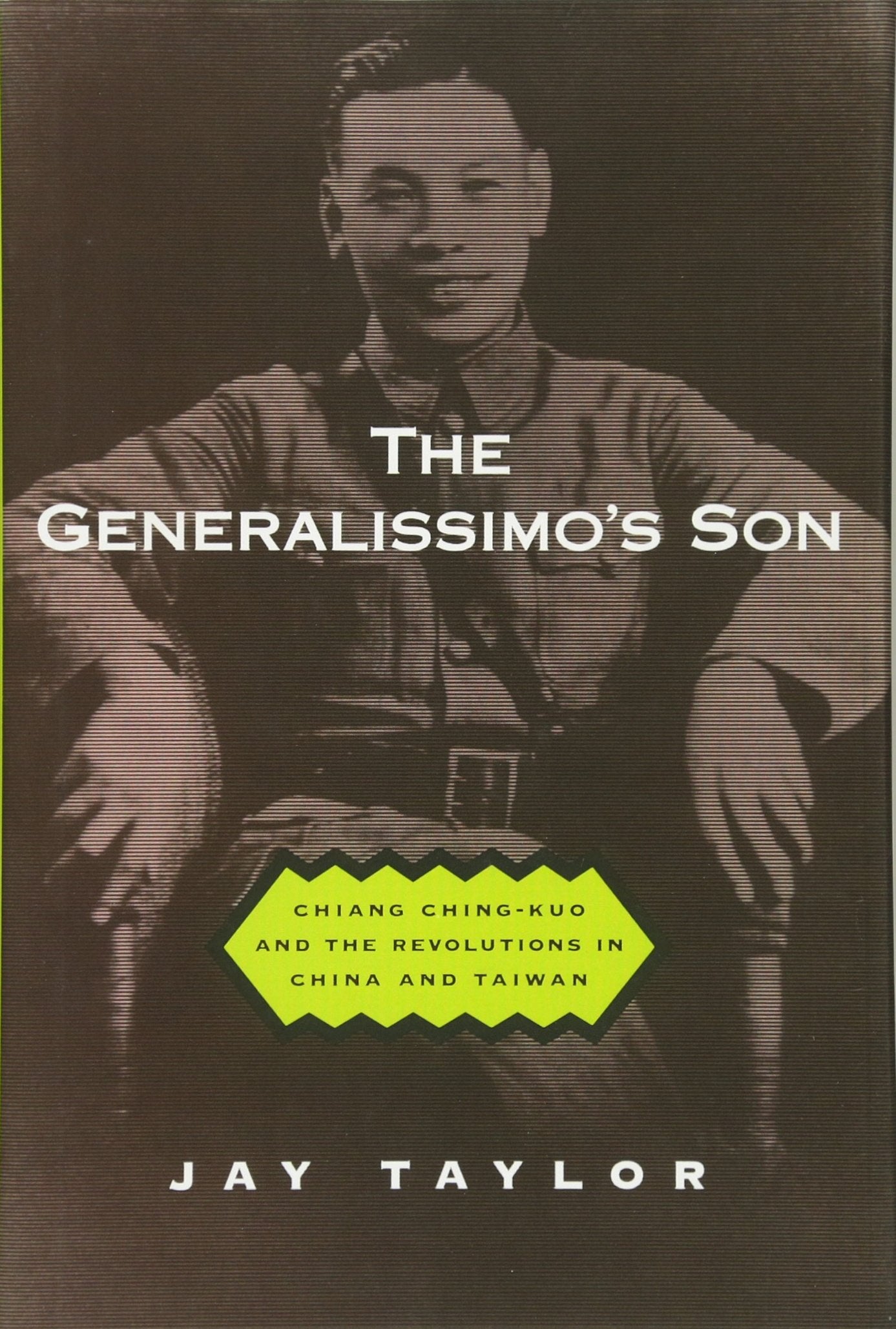
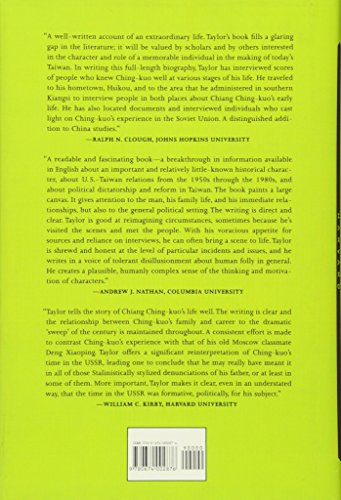
Chiang Chingkuo, son and political heir of Generalissimo Chiang Kaishek, was born in 1910, when Chinese women, nearly all illiterate, hobbled about on bound feet and men wore pigtails as symbols of subservience to the Manchu Dynasty. In his youth Chingkuo was a Communist and a Trotskyite, and he lived twelve years in Russia. He died in 1988 as the leader of Taiwan, a Chinese society with a flourishing consumer economy and a budding but already wild, woolly, and open democracy. He was an actor in many of the events of the last century that shaped the history of China's struggles and achievements in the modern era: the surge of nationalism among Chinese youth, the grand appeal of MarxismLeninism, the terrible battle against fascist Japan, and the long, destructive civil war between the Nationalists and the Communists. In 1949, he fled to Taiwan with his father and two million Nationalists. He led the brutal suppression of dissent on the island and was a major player in the cold, sometimes hot war between Communist China and America. By reacting to changing economic, social, and political dynamics on Taiwan, SinoAmerican rapprochement, Deng Xiaoping's sweeping reforms on the mainland, and other international events, he led Taiwan on a zigzag but ultimately successful transition from dictatorship to democracy.Jay Taylor underscores the interaction of political developments on the mainland and in Taiwan and concludes that if China ever makes a similar transition, it will owe much to the Taiwan example and the Generalissimo's son.
⚠️ WARNING (California Proposition 65):
This product may contain chemicals known to the State of California to cause cancer, birth defects, or other reproductive harm.
For more information, please visit www.P65Warnings.ca.gov.