
Title
The Generation of Postmemory: Writing and Visual Culture After the Holocaust (Gender and Culture Series),Used
Sold by Ergodebooks, an authorized reseller.
Returns accepted within 30 days | support@ergodebooks.com
Shipping Information
- Free Standard Shipping — United States only
- Processing Time: 3–5 business days
- Estimated Delivery: 6–10 business days after dispatch
- Double-boxed, fully insured & discreetly packaged
- Tracking number sent via email once dispatched
Returns & Refund
Returns accepted within 30 days of delivery.
Damaged or Defective Item
Free return shipping + replacement or full refund
Wrong Item Received
Free return shipping + replacement or full refund
Change of Mind
Return shipping at customer's expense · 25% restocking fee applies
Payment Option

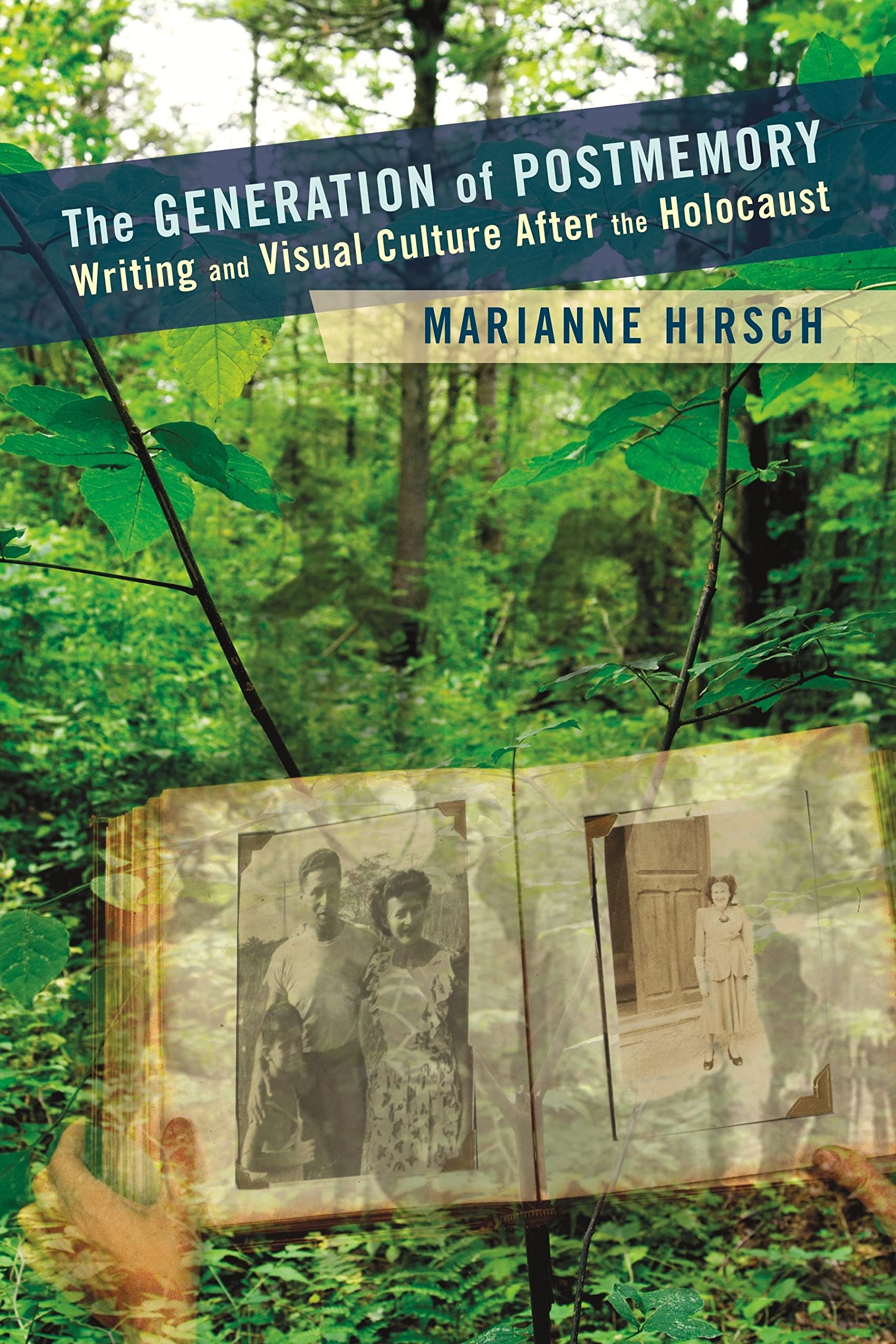
Can we remember other people's memories? The Generation of Postmemory argues we can: that memories of traumatic events live on to mark the lives of those who were not there to experience them. Children of survivors and their contemporaries inherit catastrophic histories not through direct recollection but through haunting postmemoriesmultiply mediated images, objects, stories, behaviors, and affects passed down within the family and the culture at large.In these new and revised critical readings of the literary and visual legacies of the Holocaust and other, related sites of memory, Marianne Hirsch builds on her influential concept of postmemory. The book's chapters, two of which were written collaboratively with the historian Leo Spitzer, engage the work of postgeneration artists and writers such as Art Spiegelman, W.G. Sebald, Eva Hoffman, Tatana Kellner, Muriel Hasbun, Anne Karpff, Lily Brett, Lorie Novak, David Levinthal, Nancy Spero and Susan Meiselas. Grappling with the ethics of empathy and identification, these artists attempt to forge a creative postmemorial aesthetic that reanimates the past without appropriating it. In her analyses of their fractured texts, Hirsch locates the roots of the familial and affiliative practices of postmemory in feminism and other movements for social change. Using feminist critical strategies to connect past and present, words and images, and memory and gender, she brings the entangled strands of disparate traumatic histories into more intimate contact. With more than fifty illustrations, her text enables a multifaceted encounter with foundational and cutting edge theories in memory, trauma, gender, and visual culture, eliciting a new understanding of history and our place in it.
⚠️ WARNING (California Proposition 65):
This product may contain chemicals known to the State of California to cause cancer, birth defects, or other reproductive harm.
For more information, please visit www.P65Warnings.ca.gov.