If you have any questions, you are always welcome to contact us. We'll get back to you as soon as possible, withing 24 hours on weekdays.
Customer service
All questions about your order, return and delivery must be sent to our customer service team by e-mail at yourstore@yourdomain.com
Sale & Press
If you are interested in selling our products, need more information about our brand or wish to make a collaboration, please contact us at press@yourdomain.com
Help
If you have any questions, you are always welcome to contact us. We'll get back to you as soon as possible, withing 24 hours on weekdays.
Customer service
All questions about your order, return and delivery must be sent to our customer service team by e-mail at yourstore@yourdomain.com
Sale & Press
If you are interested in selling our products, need more information about our brand or wish to make a collaboration, please contact us at press@yourdomain.com
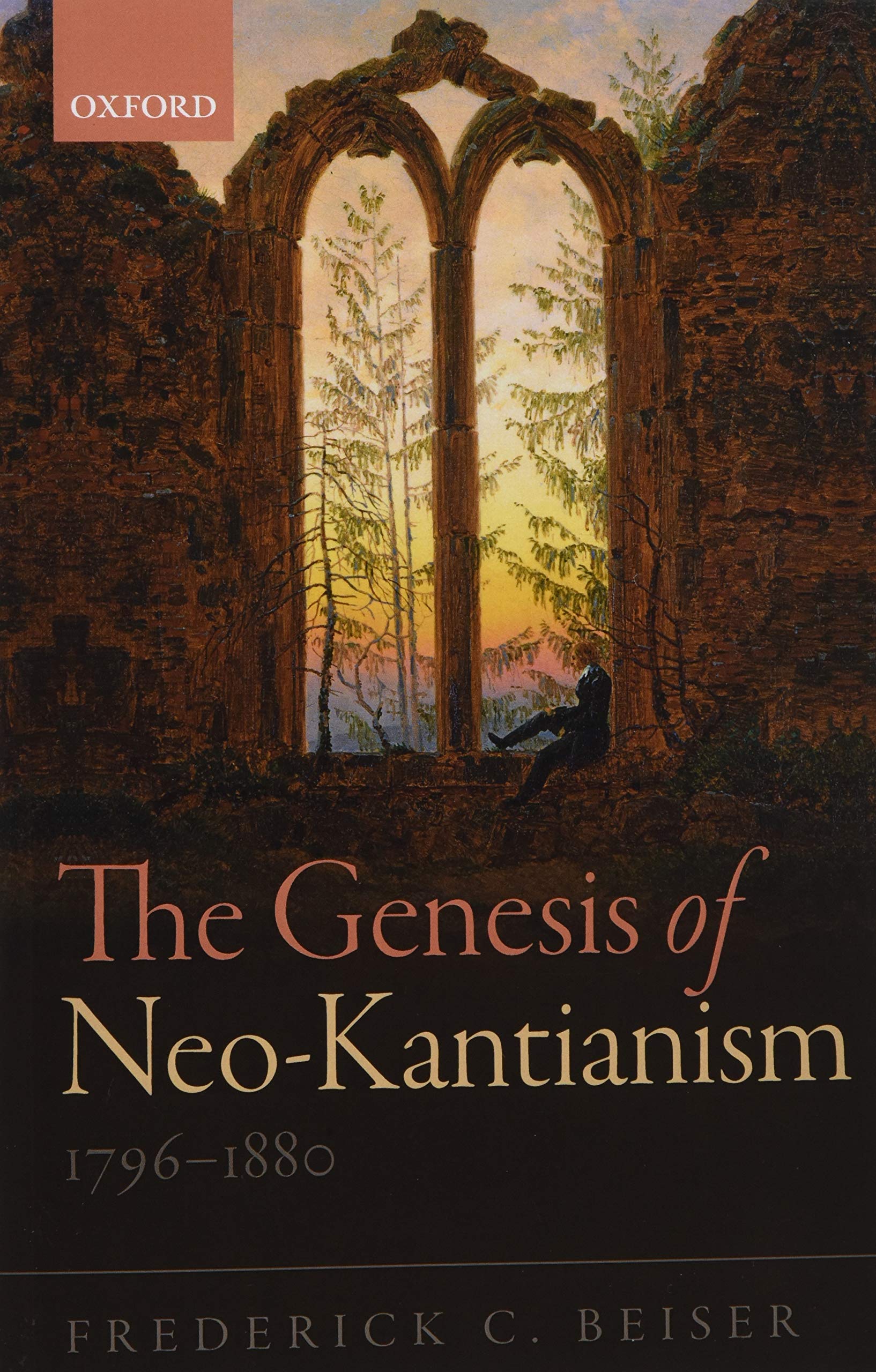
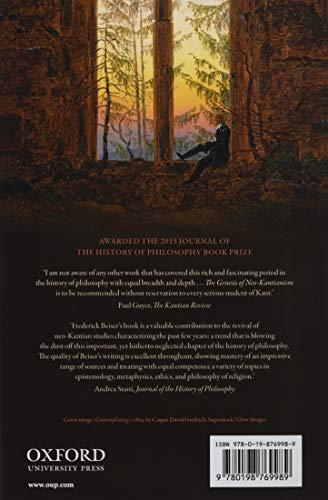
Frederick C. Beiser tells the story of the emergence of neoKantianism from the late 1790s until the 1880s. He focuses on neoKantianism before official or familiar neoKantianism, i.e., before the formation of the various schools of neoKantianism in the 1880s and 1890s (which included the Marburg school, the Southwestern school, and the Gottingen school). Beiser argues that the source of neoKantianism lies in three crucial but neglected figures: Jakob Friedrich Fries, Johann Friedrich Herbart, and Friedrich Beneke, who together form what he calls 'the lost tradition'. They are the first neoKantians because they defended Kant's limits on knowledge against the excesses of speculative idealism, because they upheld Kant's dualisms against their many critics, and because they adhered to Kant's transcendental idealism. Much of The Genesis of NeoKantianism, 17961880 is devoted to an explanation for the rise of neoKantianism. Beiser contends that it became a greater force in the decades from 1840 to 1860 in response to three major developments in German culture: the collapse of speculative idealism; the materialism controversy; and the identity crisis of philosophy. As he goes on to argue, after the 1860s neoKantianism became a major philosophical force because of its response to two later cultural developments: the rise of pessimism and Darwinism.
⚠️ WARNING (California Proposition 65):
This product may contain chemicals known to the State of California to cause cancer,
birth defects, or other reproductive harm.
For MAP (Minimum Advertised Price) violations and Intellectual Property (IP) or Trademark concerns, please contact:
support@ergodebooks.com
⚠️ California Proposition 65 Warning: Some products sold on this website may expose you to chemicals known to the State of California to cause cancer, birth defects, or other reproductive harm. For more information, visit www.P65Warnings.ca.gov.